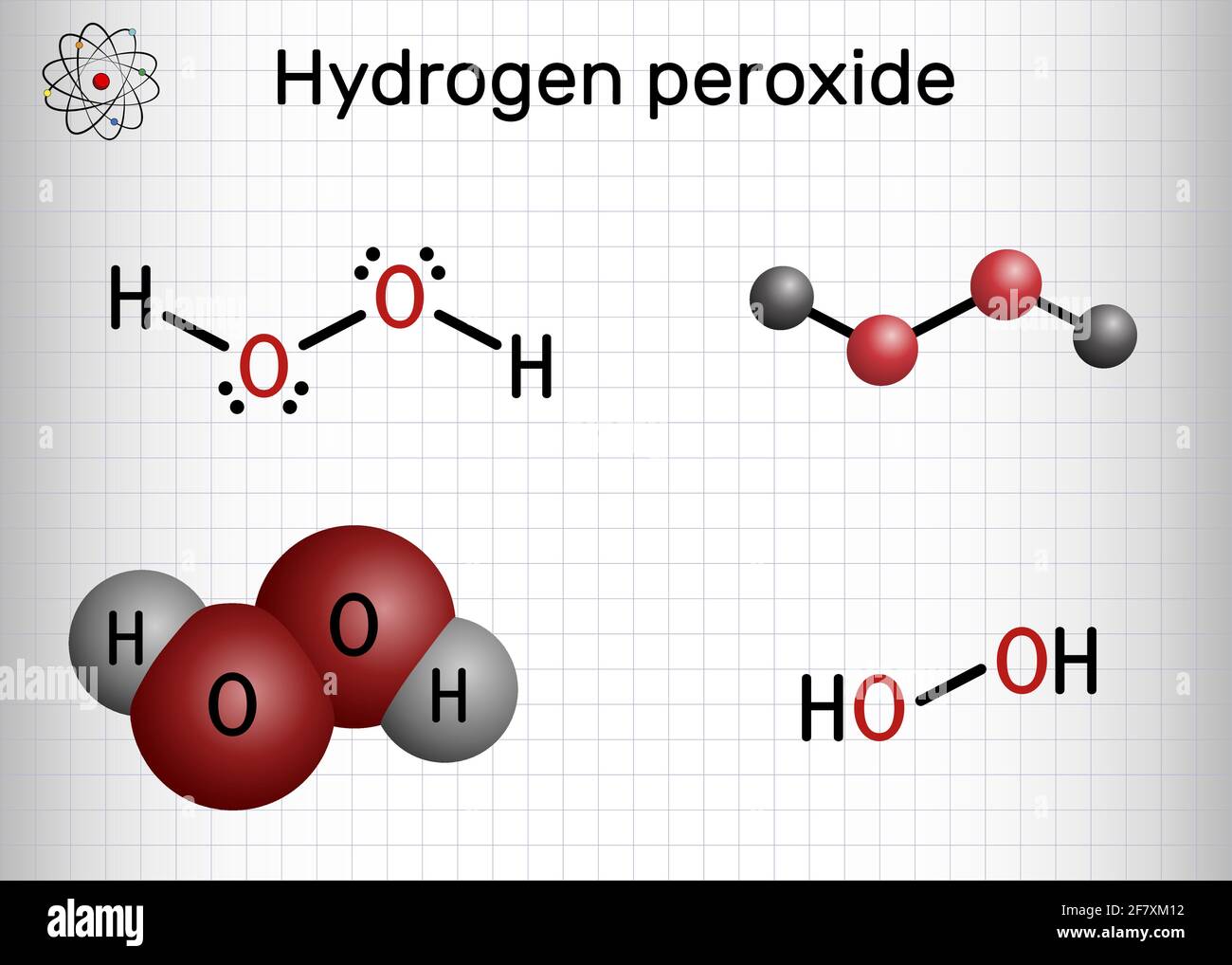
Is Hydrogen Peroxide An Acid Or A Base

Hydrogen peroxide, the familiar H₂O₂ solution sitting in medicine cabinets and cleaning cupboards worldwide, is a compound people often reach for without fully understanding i...

Hydrogen peroxide, the familiar H₂O₂ solution sitting in medicine cabinets and cleaning cupboards worldwide, is a compound people often reach for without fully understanding its chemical personality. Whether it stitches a scraped knee under tweezers or brightens a dull countertop, this simple liquid earns its place in everyday life. But brewers, scientists, and curious minds alike frequently ask a basic yet surprisingly nuanced question: is hydrogen peroxide an acid or a base? Understanding the answer helps us use it more safely and appreciate the elegant chemistry behind an everyday product.
Purpose lies at the heart of hydrogen peroxide's appeal. Because it behaves as both a powerful oxidising agent and a sometimes mild acid, it fills a versatile role in households, laboratories, and industrial settings. When you pour a small amount of 3 % peroxide onto a cut, the bubbling you see is the compound breaking down and releasing oxygen, which physically dislodges debris from the wound. In a laundry room, the same oxidative power lifts stains without the harshness of bleach. Meanwhile, in laboratories, researchers adjust peroxide's pH deliberately to exploit its acid-base behaviour for synthesis and analysis. This dual nature is precisely what makes it so widely valued.
So, what does chemistry tell us? In aqueous solution, hydrogen peroxide behaves as a very weak acid. Its pKa is approximately 11.6, meaning it can donate a proton to water, though the reaction occurs only to a tiny extent. The equilibrium — H₂O₂ ⇌ H⁺ + HO₂⁻ — shifts far to the left, so at moderate concentrations the solution remains nearly neutral with a pH around 6.2 for household 3 % products. At the same time, water itself can sometimes donate a proton to peroxide in an even rarer side reaction that would make H₂O₂ act as a base. However, the acidic pathway is overwhelmingly more significant. In practical terms, therefore, hydrogen peroxide is best classified as a weak acid, one that is far too gentle to sting solid skin but potent enough to affect delicate biological membranes if used carelessly.
Must Read
Several real-world scenarios highlight why this classification matters. Gardeners who dilute peroxide to waterplants should be aware that its subtle acidity can affect soil微生物 communities if over-applied, because most beneficial soil bacteria prefer neutral conditions. Laboratory chemists preparing Fenton's reagent rely on stirring hydrogen peroxide with ferrous sulfate in slightly acidified solutions, using peroxide's own proton-donating tendency as a controlled variable. Even fluoride-free toothpastes that include peroxide do so at pH levels carefully tuned to avoid enamel erosion — proof that understanding peroxide's acid-base identity directly improves product formulation.
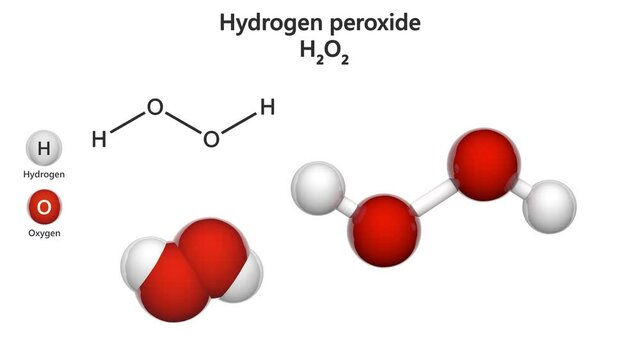 Hydrogen Peroxide Structure Formula
Readers who wish to explore this concept hands-on can begin with easily accessible tools. First, try a pH test strip on store-bought hydrogen peroxide and compare it to distilled water and white vinegar to see where peroxide falls on the spectrum. Second, never mix peroxide with vinegar without caution, because acidic conditions elsewhere (such as with catalysts) can accelerate decomposition and produce unexpected heat. Third, keep a small notebook recording concentrations, pH readings, and observed reactions: simple observation is still one of the most powerful forms of learning chemistry.
Ultimately, hydrogen peroxide sits in a fascinating borderline zone of acid-base chemistry — weakly acidic yet nearly neutral in everyday contexts, reactive under the right conditions yet overwhelmingly forgiving for routine use. Recognising this delicate balance allows anyone from a parent cleaning a child's scraped knee to a hobbyist brewer sanitising equipment to make more informed decisions. The next time you glance at that brown bottle on the shelf, you will know that behind its simple label lies a quietly complex molecule — worth both opinion and respect — whose subtle acidity continues to serve home and laboratory alike.