Is Honey Dijon The Same As Honey Mustard

Let's be honest, few questions in the world of condiments spark as much friendly debate as this one: Is honey Dijon the same as honey mustard? It’s the kind of culinary myster...
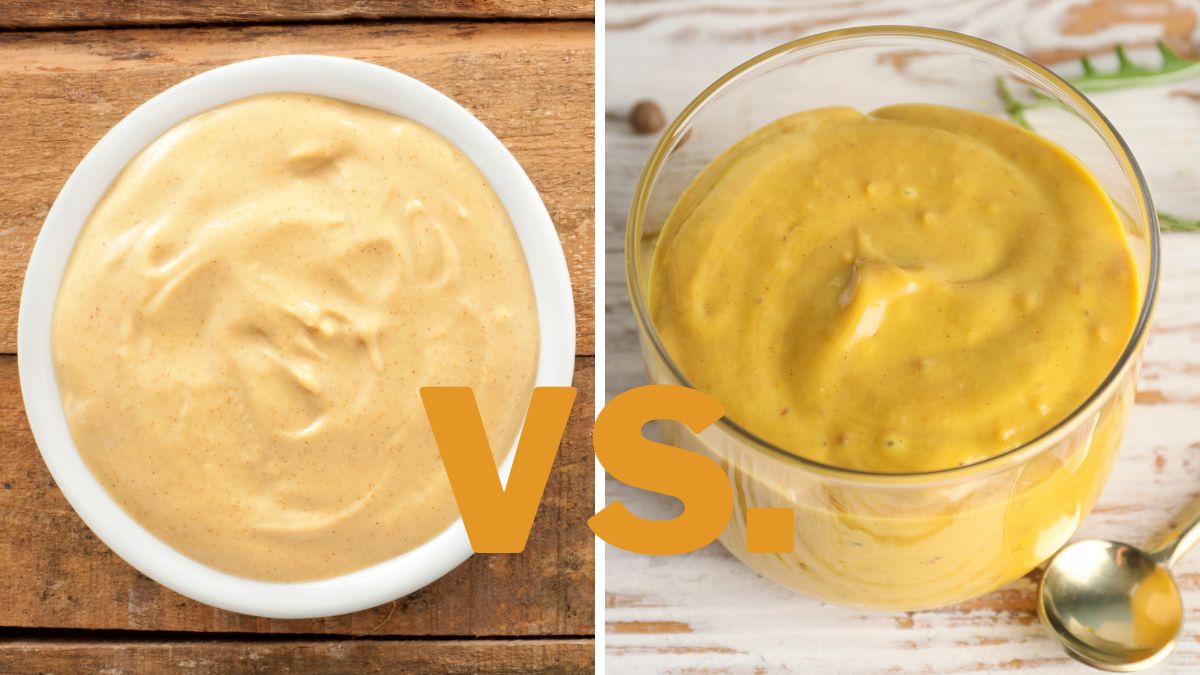
Let's be honest, few questions in the world of condiments spark as much friendly debate as this one: Is honey Dijon the same as honey mustard? It’s the kind of culinary mystery that feels both practical and utterly delightful to solve. For anyone who loves a good sauce—whether you’re a grill master perfecting a chicken marinade, a salad enthusiast seeking the perfect drizzle, or a parent trying to coax veggies into a picky eater—understanding this difference is a small but satisfying win. The main purpose here is not just to pick a bottle off a shelf, but to choose the right flavor profile for your meal, saving you from a too-sharp bite or an overly sweet drench.
To get to the heart of it, think of mustard as a family tree. Honey mustard is the broad, welcoming branch: a simple, sweet-tangy blend of honey and yellow or brown mustard. It’s the classic, crowd-pleasing sauce you find on chicken fingers, in potato salads, or as a dip for pretzels. Honey Dijon, on the other hand, is its more sophisticated cousin. It uses the same honey base, but it swaps the mellow yellow mustard for Dijon mustard—a grainy, pale condiment made with verjus (unripened grape juice) and white wine. This swap introduces a sharp, spicy, and slightly acidic kick that honey mustard lacks. So, while both are sweet, honey Dijon brings a complex, savory edge that makes it a favorite for vinaigrettes and glazes.
The most common variations you’ll recognize make this distinction clear. Picture a classic honey mustard dressing: it’s often a thick, sunny-yellow sauce with a mild, sweet finish—perfect for dipping or coleslaw. Now, picture a honey Dijon vinaigrette at a bistro: thin, pale yellow, with visible specks of mustard seeds, and a taste that wakes up your palate with a warm, peppery heat. A third variation, like a spicy honey mustard, often adds horseradish or cayenne, but it’s still different from the wine-based sharpness of Dijon. For a real-world example, dipping a crispy chicken tenders into honey mustard is comfort food; drizzling honey Dijon over a roast salmon filet is a culinary upgrade.
Must Read
So, how do you get started using this knowledge? First, read the label before you buy. If it says “Honey Mustard,” expect a sweeter, milder experience. If it says “Honey Dijon,” prepare for a tangier, more robust punch. A simple tip: use honey Dijon when you want a sauce that stands up to bold flavors, like grilled steak, roasted vegetables, or sharp cheeses. Save classic honey mustard for situations where you want a gentle sweetness, like a kid-friendly wrap or a straightforward dip. Don’t be afraid to experiment— a spoonful of honey Dijon can transform a basic vinaigrette into a star salad dressing.
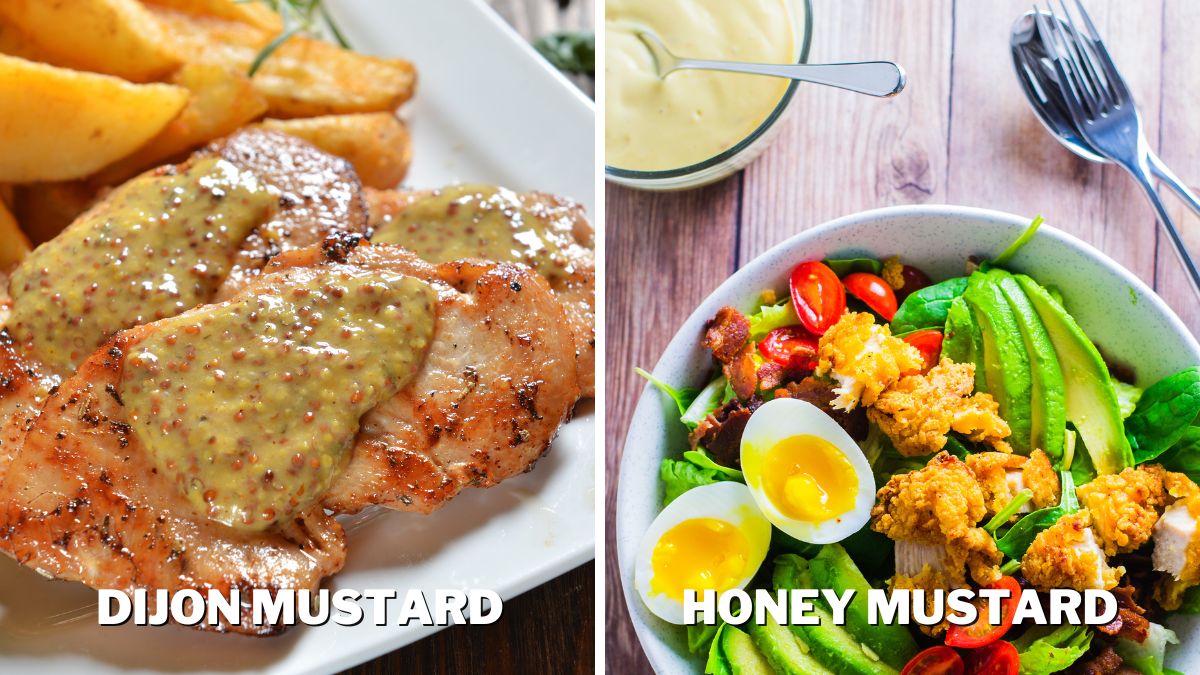 Dijon Mustard vs. Honey Mustard: Differences & Which Is Better
To make the most of these condiments, try a quick kitchen swap. If a recipe calls for honey mustard but you only have honey Dijon, simply balance the sharpness by adding a little more honey or a splash of apple cider vinegar. Conversely, if you need honey Dijon but only have honey mustard, whisk in a pinch of dry mustard powder or a dash of white wine vinegar to mimic that Dijon bite. This approach gives you control over your kitchen without running to the store. Another pro tip: both sauces work beautifully as a marinade—honey mustard for pork chops, honey Dijon for chicken thighs—but always watch the sugar content to prevent burning on the grill.
The bottom line is that honey Dijon and honey mustard are like fraternal twins: related, but with distinct personalities. One is the easy-going friend who gets along with everyone; the other is the worldly traveler who adds a story to the meal. Knowing the difference means you can make smarter choices that elevate your meals, whether you’re throwing together a quick lunch or hosting a dinner party. Next time you’re at the store, pause for a moment, read that label, and appreciate the subtle art of condiment selection. It’s a small, delicious victory.
