Is Heavy Cream The Same As Half-and-half

There’s a quiet magic in the way a splash of rich cream can transform a simple cup of coffee into a moment of pure comfort, or how a gentle pour can turn a pan of simmering to...
:max_bytes(150000):strip_icc()/simply-recipes-half-and-whipping-cream-lead-01-2c984eddc79f4e9da0882aeab2658861.jpg)
There’s a quiet magic in the way a splash of rich cream can transform a simple cup of coffee into a moment of pure comfort, or how a gentle pour can turn a pan of simmering tomatoes into a velvety sauce. For many home cooks and coffee enthusiasts, these small, creamy additions are the difference between a functional meal and a memorable experience. Yet, standing in the dairy aisle, you might wonder: is the container labeled “heavy cream” the same as the one labeled “half-and-half”? The answer is a definitive no, and understanding the difference is a small but powerful shortcut to better cooking and more satisfying mornings.
At its core, the distinction comes down to one key ingredient: fat content. Heavy cream, often called heavy whipping cream, contains between 36% and 40% milk fat. In contrast, half-and-half is exactly what its name suggests—a blend of half whole milk and half light cream, resulting in a much lower fat percentage of about 10% to 18%. This difference isn’t just a technicality; it dictates how each behaves in your kitchen. Heavy cream is a powerful workhorse that can be whipped into stiff peaks, thicken sauces without a thickener, and add an almost buttery richness to soups. Half-and-half, on the other hand, is designed for lighter tasks—adding a gentle creaminess to coffee, cereal, or simple pan sauces without overwhelming the other flavors.
To see why this matters, picture your morning routine. You pour a generous splash of half-and-half into your dark roast. It swirls in, softening the bitterness and adding a smooth, mellow texture. It doesn’t separate or float on top; it melds seamlessly. Now imagine using heavy cream in the same cup. Because of its high fat content, it will create a thick, almost oily layer on the surface, and it can easily cool your coffee because it’s denser. For a simple coffee enhancer, half-and-half is the ideal choice. But if you are making a homemade ice cream base, a decadent chocolate ganache, or a creamy Alfredo sauce, heavy cream is non-negotiable. It provides the structural integrity and luscious mouthfeel that defines those dishes.
Must Read
The benefits of knowing this difference extend to everyday life, especially for anyone who values control over flavor and texture. Heavy cream allows you to thicken soups and stews naturally—just simmer a whole roast chicken soup for a few minutes with a splash of cream, and it turns velvety without needing flour or cornstarch. Half-and-half, because it is less rich, is perfect for recipes where you want a hint of creaminess without the calories or weight, such as in scrambled eggs or a light mushroom sauce. Using the right one means you won’t accidentally make your dish too thick, greasy, or heavy. You also save money: heavy cream is more expensive, so using it only when its properties are essential is a practical way to stretch your grocery budget.
For those eager to experiment, here are a few simple tips. First, read the label carefully every time you shop; brands sometimes blur the line with terms like “whipping cream” or “light cream,” so check the fat percentage. Second, for a quick substitute: if a recipe calls for heavy cream but you only have half-and-half, you can add a tablespoon of melted unsalted butter per cup of half-and-half. This boosts the fat content to approximate heavy cream’s behavior. Third, always shake half-and-half before using it, since its lower fat content makes it prone to separating in the carton. Finally, consider keeping both in your fridge: half-and-half for your daily coffee and lighter sauces, and heavy cream for special occasions like holiday mashed potatoes, homemade whipped cream, or a decadent pasta dish.
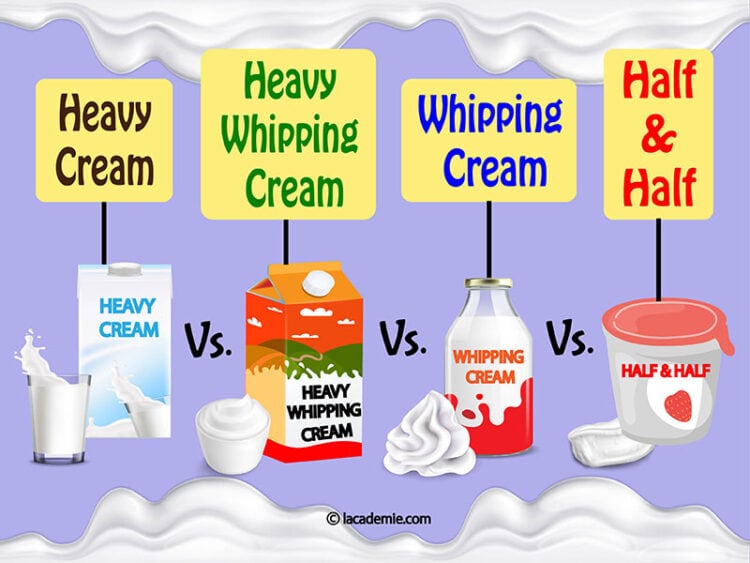 Table Cream Vs. Heavy Cream: Differences And Similarities – QMBLV
Taste test the difference for yourself—it’s an enlightening exercise. Pour a small amount of each into separate cups of plain hot water. Notice how the heavy cream forms a distinct, glossy film that resists blending, while the half-and-half disperses into a uniform, silky cloud. Then, taste each. The heavy cream will coat your tongue with a butter-like richness, while the half-and-half feels lighter and more refreshing. This simple sensory experiment reveals why no, they are not the same—and why learning that distinction is a small, empowering step toward making every meal, from breakfast to dinner, a little bit more deliberate and delightful.
In a world of convenience foods, knowing the precise nature of your ingredients is a quiet act of mastery. Heavy cream and half-and-half each have a unique purpose, and recognizing their differences saves you from kitchen disappointments and unlocks new possibilities. Whether you’re creating a luxurious dessert or simply elevating your morning routine, choose wisely. The result will be a dish that tastes Exactly as you intended—and that is a skill worth cultivating.

:max_bytes(150000):strip_icc()/simply-recipes-half-and-whipping-cream-lead-01-2c984eddc79f4e9da0882aeab2658861.jpg&description=Is+Heavy+Cream+The+Same+As+Half-and-half)