Is Ground Mustard Seed The Same As Ground Mustard

Okay, let’s settle this once and for all—a question that has haunted spice racks and late-night cooking debates since, well, forever: Is ground mustard seed the same as ground...
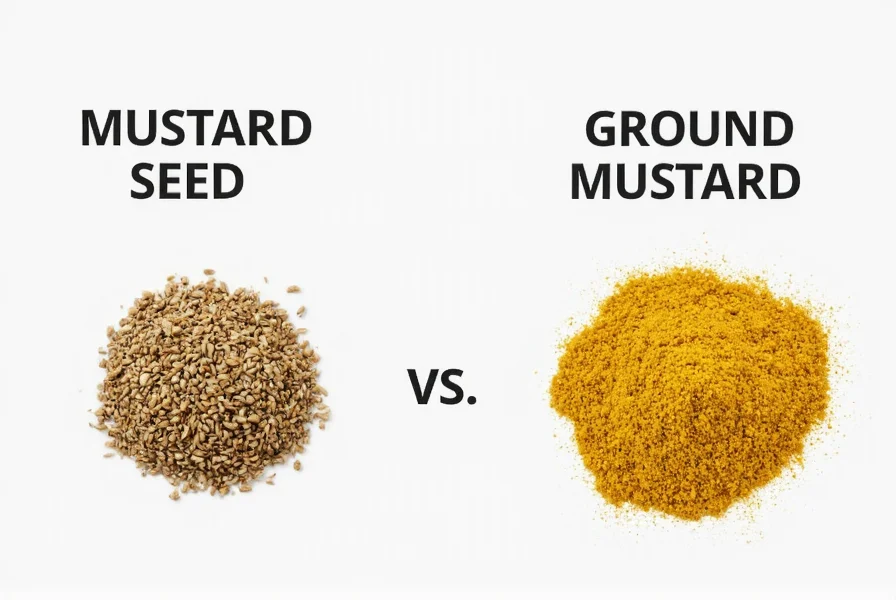
Okay, let’s settle this once and for all—a question that has haunted spice racks and late-night cooking debates since, well, forever: Is ground mustard seed the same as ground mustard? Grab a cup of tea (or a hot dog, I won’t judge), and let’s talk it out like the savvy kitchen pals we are.
First, the short answer? Yes, basically. But, oh, there’s a twist—because there’s always a twist, right? Think of it like the difference between “flour” and “all-purpose flour.” They’re almost twins, but one has a secret identity.
Here’s the deal: Ground mustard seed is exactly what it sounds like—the whole mustard seed, pulverized into a fine powder. Nothing added, nothing taken away. It’s pure, unadulterated, mildly spicy, and a little nutty. You’ll find it in spice jars labeled “mustard seed powder” or “ground mustard seed.” It’s your basic, no-fuss ingredient for rubs, curries, and breading.
Must Read
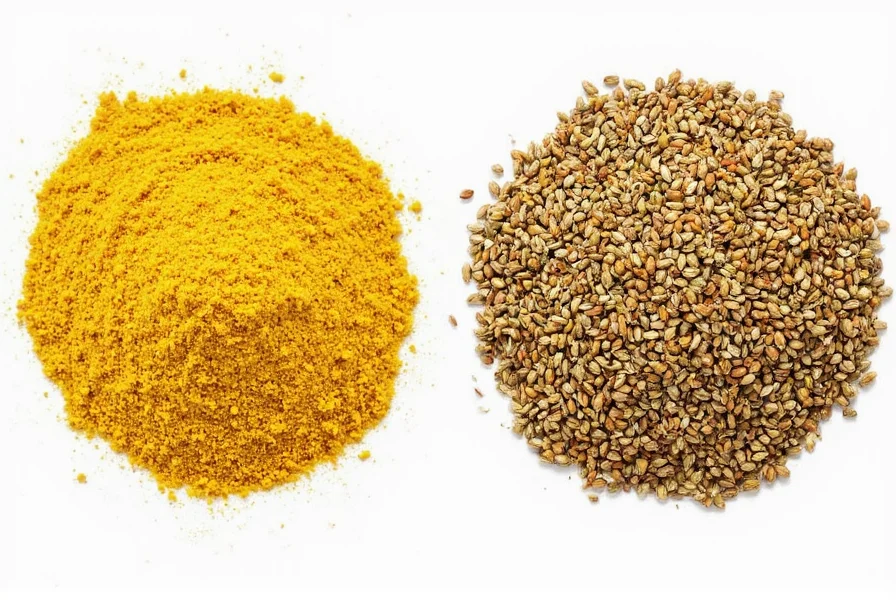
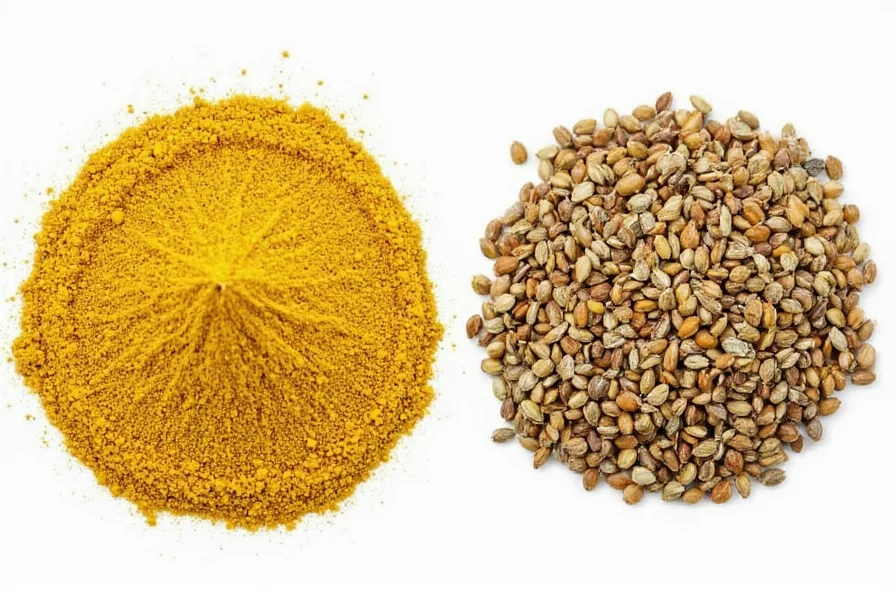
Now, ground mustard (often simply labeled “mustard powder”) is usually that same powder, but with a little secret helper: turmeric. Why? To give it that bright, sunshine-yellow color we associate with ballpark mustard. It also often includes a touch of wheat flour or starch to prevent clumping and make it easier to mix into liquids. So, while they’re functionally identical when it comes to the mustardy kick, the “ground mustard” you buy in the little yellow tin at the grocery store is technically a blend.
I know, I know—you’re thinking, “But they taste the same, right?” Mostly. The turmeric adds a whisper of earthy bitterness (barely noticeable), and the starch can slightly dull the sharpness. For most recipes, you can swap them 1:1 without anyone knowing. But if you’re making a delicate vinaigrette or a pale, creamy sauce, plain ground mustard seed wins because you control the color. Nobody wants a neon-yellow bechamel unless you’re channeling a unicorn.
 Ground Mustard vs Mustard Seed: When to Use & Avoid Cooking Mistakes
And here’s a fun little spicy fact: when you mix either powder with cold water, the enzyme myrosinase wakes up and creates that signature horseradish-like heat. But if you use hot water? Kills the enzyme. Poof. No heat. Just bitter, weird-tasting paste. So, if you’re making your own mustard, always use ice-cold water. Store that tip in your back pocket—it’ll impress your dinner guests (or at least your cat, who doesn’t care).
So, back to the burning question: Are they the same? Technically no, practically yes. If you have a jar labeled “ground mustard seed,” you’re holding the purest, truest form. If you have a jar labeled “ground mustard,” you’ve got a slightly fancier version that’s been stabilized and colored. Neither is wrong. Neither is a betrayal. They’re just cousins at the family reunion—one shows up with a little makeup on, and the other is just happy to be there.
 Ground Mustard vs Mustard Seed: When to Use & Avoid Cooking Mistakes
My advice? Buy whatever you have in the pantry. Don’t stress. Spice snobs might argue, but the real winner is the person who makes a killer pretzel dip at 10 PM on a Tuesday. That’s you. You’re the winner.
And here’s the uplifting part, my friend: Whether you sprinkle ground mustard seed or ground mustard onto your life, you’re adding a little warmth, a little kick, and a lot of flavor. Just like this little realization—nothing is ever one thing. Everything has a story, even your spice jar. So go ahead, shake that yellow powder with confidence. You’re not just cooking; you’re seasoning the moments. And honestly? That’s pretty darn beautiful. Now go make something delicious, and remember: the only wrong way to use mustard is to not use it at all.
