Is Green Tea Good For Congestion

For millions of people, the day doesn't truly begin until they wrap their hands around a warm mug of green tea. Beyond its celebrated role as a morning ritual and a gentle sou...
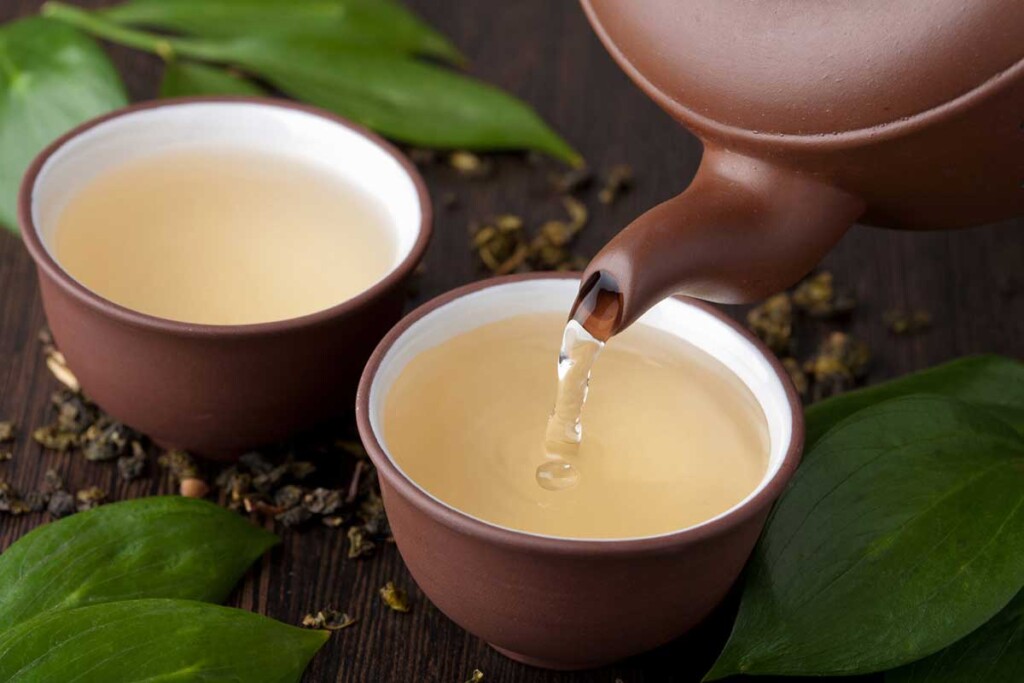
For millions of people, the day doesn't truly begin until they wrap their hands around a warm mug of green tea. Beyond its celebrated role as a morning ritual and a gentle source of caffeine, this ancient beverage is often sought for its remarkable health benefits. From enhancing focus to providing a soothing moment of calm, green tea is a staple in many wellness routines. However, when the familiar stuffiness and pressure of nasal congestion strikes, a common question arises: can this beloved brew actually help you breathe easier?
The short answer is yes, and the reasoning lies in green tea's potent chemical composition. Congestion, whether from a cold, allergies, or sinusitis, is primarily caused by inflammation and swelling of the nasal passages. Green tea is rich in a class of antioxidants called catechins, most notably epigallocatechin gallate (EGCG). These compounds possess powerful anti-inflammatory properties. By reducing the inflammation in the mucous membranes, a warm cup of green tea can help calm the swollen tissue, providing a gentle and natural way to open up the nasal airways, making breathing feel less labored.
In addition to fighting inflammation, green tea offers a second, equally important benefit: it is a natural decongestant due to its warmth and steam. Imagine you’re at home, feeling miserable with a head cold that makes focusing on work or relaxing impossible. The simple act of inhaling the steam rising from a freshly steeped cup of green tea can help loosen the thick, sticky mucus clogging your sinuses. This moisture helps to break up congestion, allowing it to drain more easily. The warmth also encourages blood flow to the area, which can speed up the healing process. This dual action—internal anti-inflammatory effects plus external steam therapy—makes green tea a highly practical choice for everyday relief.
Must Read
It’s crucial to understand the context of how you drink it. While green tea is beneficial, adding milk or heavy cream can reduce the absorption of its vital catechins. For maximum congestion relief, drink it plain or with a dash of honey and lemon. Honey is a natural antibacterial and soothes a sore throat that often accompanies congestion, while lemon provides a boost of vitamin C and adds a refreshing clarity. For instance, if you wake up with a stuffy nose, skip the sugary juice and instead brew a strong cup of green tea with a lemon slice. This simple swap can transform your morning routine into a therapeutic ritual.
Many people overlook the role of caffeine in this equation. Green tea contains a modest amount of caffeine, which acts as a mild stimulant. When you’re congested, you often feel lethargic and brain-fogged. The gentle lift from green tea can help combat that fatigue without the jittery side effects of coffee. Furthermore, caffeine has a mild vasoconstrictive effect, which may slightly reduce swelling in the blood vessels of the nasal passages, offering another layer of decongestant support. This makes green tea a superior choice to plain hot water when you need both energy and relief.
 The 8 Best Teas for Sinus Congestion | Chinese Teas 101
For those eager to explore this remedy, here are a few simple tips. First, choose a high-quality loose-leaf or bagged green tea—matcha or sencha are excellent options for their high catechin content. Steep it for 3 to 4 minutes in water that is around 175°F (80°C)—boiling water can make it bitter and destroy some antioxidants. Second, create a "steam tent" by placing your face over the cup and draping a towel over your head. Inhale deeply for a few minutes to directly target your sinuses. Third, drink 2 to 3 cups throughout the day during a bout of congestion, but stop a few hours before bed to avoid disrupting sleep from the caffeine.
It is important to acknowledge that while green tea is a wonderful supportive tool, it is not a cure for severe infections or chronic conditions like allergies. If your congestion is accompanied by a high fever, lasts more than ten days, or is linked to thick, green or yellow mucus, it is wise to consult a healthcare professional. Green tea should be seen as a comforting, science-backed addition to your self-care arsenal—one that hydrates, reduces inflammation, and helps you feel more in control when your nose feels anything but. So, the next time congestion clouds your day, remember that a simple, warm cup of green tea might be the breath of fresh air you truly need.