Is Grated Parmesan Cheese The Same As Shredded

There’s something genuinely satisfying about a good sprinkle of cheese. Whether you’re finishing a bowl of spaghetti carbonara, topping a Caesar salad, or adding a golden crus...

There’s something genuinely satisfying about a good sprinkle of cheese. Whether you’re finishing a bowl of spaghetti carbonara, topping a Caesar salad, or adding a golden crust to baked pasta, the choice between grated and shredded Parmesan can feel like a small but mighty decision. This topic is a favorite among home cooks and food lovers because it’s practical, easy to master, and instantly elevates everyday meals. The main purpose? Understanding the difference helps you pick the right form for the perfect texture, melt, and flavor—saving you from clumpy sauces or rubbery toppings. Anyone who enjoys cooking, from busy parents to weekend gourmets, benefits from knowing when to reach for grated versus shredded cheese.
First, let’s clear up the basics. Grated Parmesan is a finely ground powder—almost like a fluffy dust—while shredded Parmesan comes in thin, elongated strips or thicker, irregular shreds. You’ve probably seen both in green canisters or plastic bags at the store. The classic Kraft green can? That’s grated. The bag with long, curly strands? That’s shredded. Home cooks often use grated for sauces and salads where you want the cheese to dissolve quickly, while shredded is the go-to for melting on pizza or lasagna. Simple, right? But the texture difference isn’t just a matter of appearance—it changes how the cheese behaves in your dish.
Here’s the culinary secret: grated Parmesan is ideal for smooth incorporation. Because it’s so fine, it blends seamlessly into hot pasta, risotto, or alfredo sauces without turning clumpy. It also clings beautifully to greens in a Caesar salad. Shredded Parmesan, on the other hand, offers visual appeal and texture. Its larger surface area makes it perfect for creating a browned, bubbly crust on baked dishes like chicken parmesan or eggplant Parmesan. You can also use shredded cheese as a garnish—its curls stay distinct on top of a soup or salad, while grated would vanish into the dish. Knowing this keeps you from accidentally making a sauce that’s too gritty or a topping that doesn’t melt properly.
Must Read
A common mistake people make is using the two interchangeably. Imagine sprinkling grated Parmesan over a pizza—it tends to burn quickly and doesn’t give that stretchy, gooey layer. Conversely, using shredded Parmesan in a creamy sauce can leave you with little cheese “bits” that never fully melt. Pro tip: if you only have one form, try breaking shredded cheese into smaller pieces before adding it to a sauce, or grind grated cheese with a mortar and pestle to mimic shreds for a topping. It’s not perfect, but it works in a pinch. The key is purpose—choose grated for merging, shredded for crowning.
For the best results, start with whole Parmesan wedges if you can. A microplane zester gives you the fluffiest grated cheese, while a box grater with large holes makes perfect shreds. Freshly grated or shredded Parmesan has a nuttier, less powdery taste than pre-packaged versions. However, if convenience is your jam (and let’s be honest, it is for most of us), the pre-grated or pre-shredded options are totally fine—just check the ingredients: some contain anti-caking agents that affect melting. A quick shake of the bag or canister before use can redistribute those agents. Store both forms in an airtight container in the fridge; grated cheese can clump if exposed to moisture, so add a paper towel to absorb excess dampness.
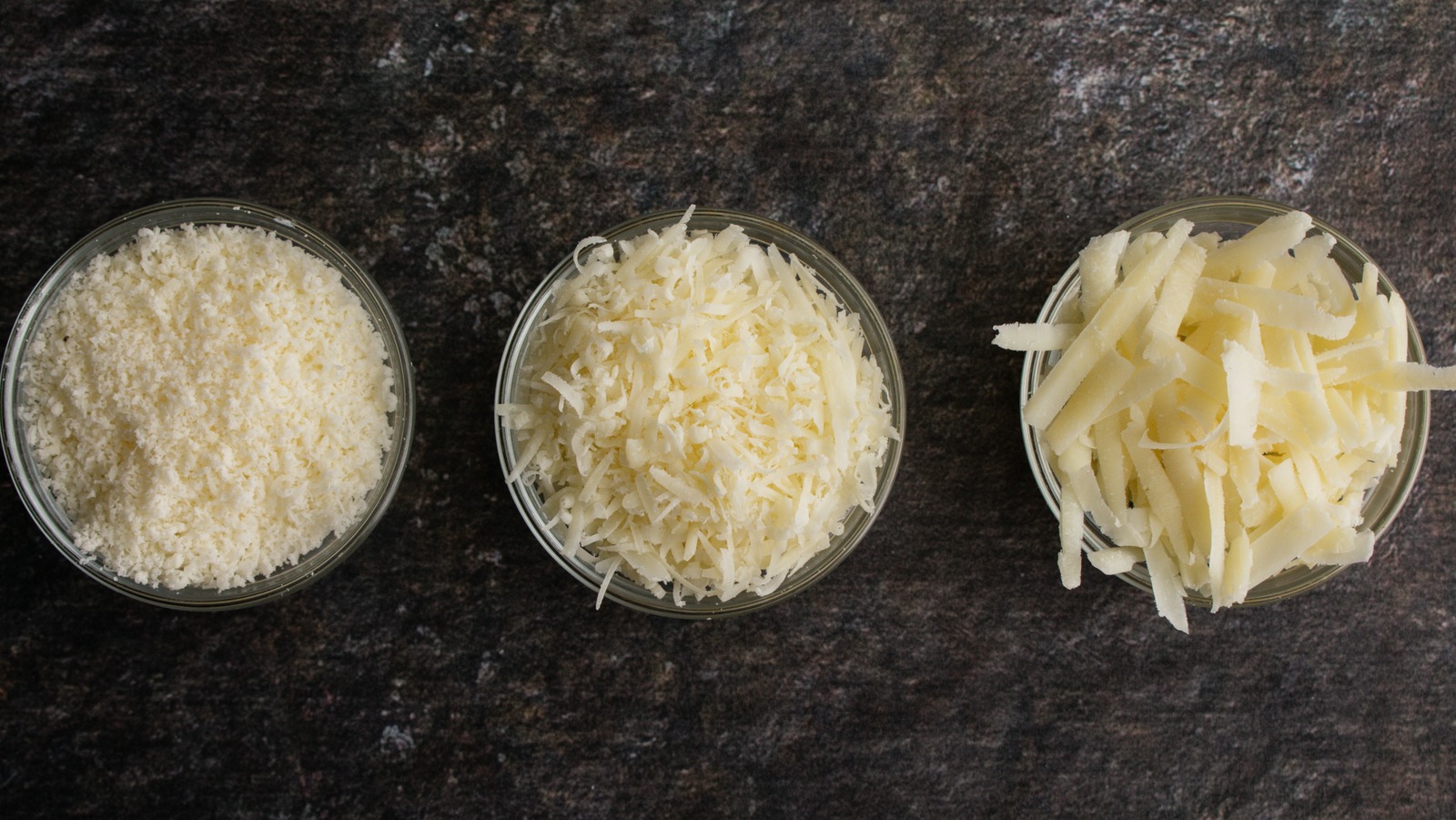 The Difference Between Shredded And Grated Cheese
Here’s a simple actionable tip to get started: next time you make pasta, reserve a tablespoon of the starchy cooking water. Toss your hot pasta with a few handfuls of grated Parmesan and a splash of that water—watch it become a silky, emulsified sauce. For a baked dish, top with a generous layer of shredded Parmesan mixed with breadcrumbs and fresh herbs; then broil for two minutes for a crunchy, golden crust. These small tweaks transform a weeknight meal into something special. You don’t need culinary school—just a bit of cheese wisdom.
Ultimately, the difference between grated and shredded Parmesan comes down to intention. Both add that salty, nutty, umami punch that makes Italian food sing. Grated is your quiet workhorse for smooth sauces and subtle background flavor. Shredded is the showstopper for visible, stringy, or crispy textures. Enjoy experimenting—taste as you go, and don’t be afraid to mix them. The best cooks are the ones who understand their ingredients, and now you have one more trick up your sleeve. So next time you’re in the cheese aisle, you’ll know exactly which form to grab—and why. Happy cooking!
