Is Granulated Sugar The Same As Powdered Sugar

Have you ever stood in the baking aisle, staring at a bag of granulated sugar and a box of powdered sugar, wondering if they’re secretly the same thing? It’s a legit question....

Have you ever stood in the baking aisle, staring at a bag of granulated sugar and a box of powdered sugar, wondering if they’re secretly the same thing? It’s a legit question. They both look like white crystals… until one looks like fluffy snow. Let’s break down this sweet mystery with a little curiosity and zero judgment.
The Short Answer: They’re Cousins, Not Twins
Granulated sugar and powdered sugar are absolutely not the same thing. Think of granulated sugar as the sturdy, reliable older sibling. Powdered sugar is the fancy, delicate younger one who went through a serious transformation.
Both start from the same source—usually sugar cane or sugar beets. But what happens next is where the magic (and the confusion) happens.
Must Read
What Makes Granulated Sugar… Granulated?
Granulated sugar is your everyday white sugar. It’s the stuff you probably have in a jar for coffee, cereal, or emergency cookies. Those little crystals are relatively large, sharp-edged, and don’t dissolve instantly in cold liquids.
Think of it as the sand of the sugar world. It gives structure to cookies, crunch to crumbles, and sweetness without vanishing too fast. Without it, your meringue would collapse into a sad puddle.
And Powdered Sugar? It’s Granulated After a Spa Day
Powdered sugar—also called confectioners’ sugar—is basically granulated sugar that got crushed into a fine dust. Seriously. They take those same crystals, grind them into a powder, and add a tiny bit of cornstarch (about 3%) to keep it from clumping.
The cornstarch is the unsung hero here. It’s why powdered sugar feels silky and doesn’t form rock-hard lumps in your pantry. Without it, you’d have a dusty, messy nightmare.
So if granulated sugar is sand, powdered sugar is talcum powder for your taste buds. It dissolves almost instantly—perfect for frosting, dusting donuts, or making that fancy glaze on cinnamon rolls.
The Texture Test: Rub Them Between Your Fingers
Go ahead, grab a pinch of each. Granulated sugar feels gritty and rough, like tiny rocks. Powdered sugar feels smooth and soft, like baby powder or a cloud that forgot to rain.
This texture difference isn’t just trivia—it’s the secret to baking chemistry. Granulated sugar creates air pockets when creamed with butter (hello, fluffy cakes!). Powdered sugar blends into butter without a single air bubble—perfect for dense, creamy frostings.
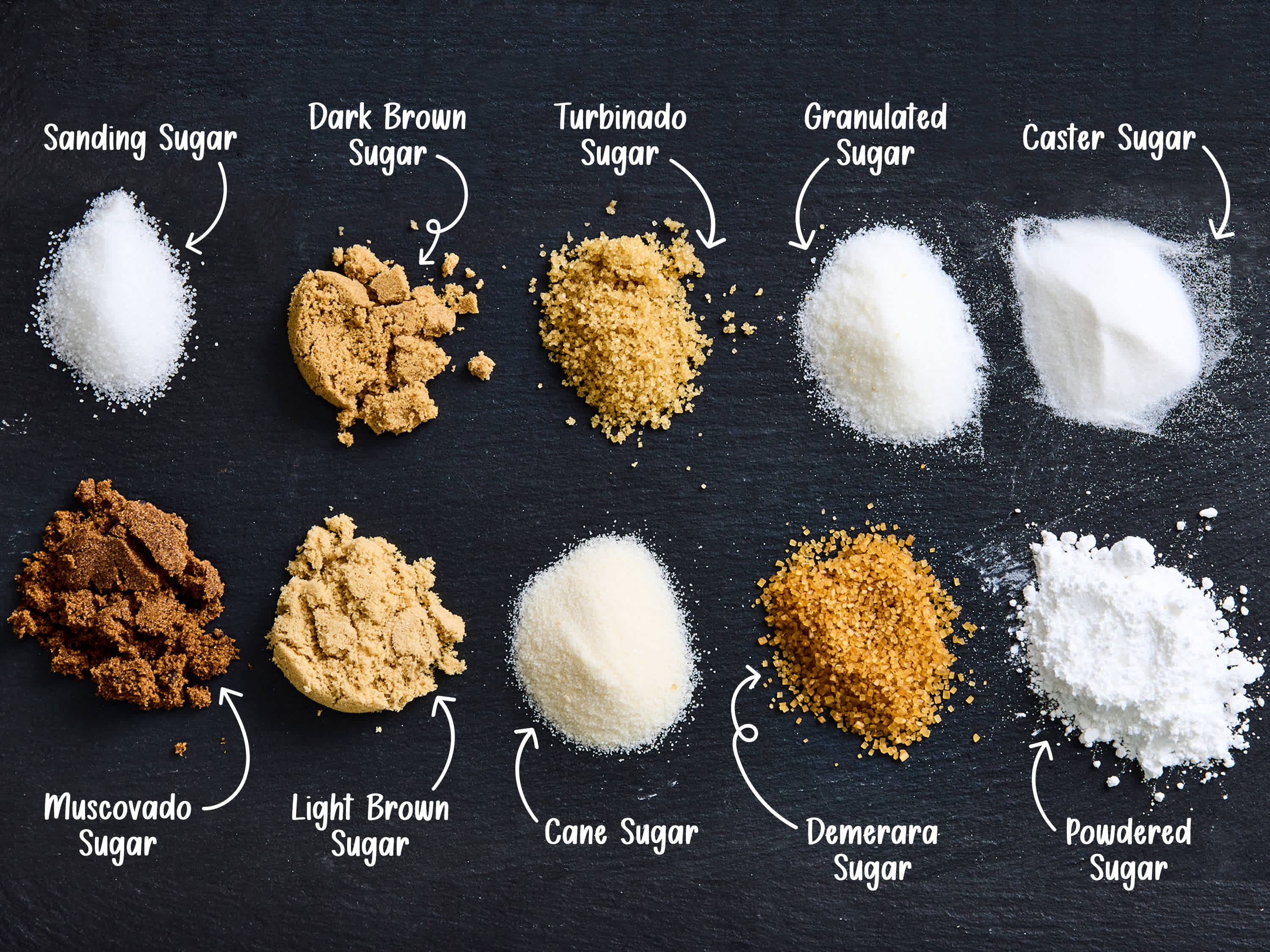 Confectioners Sugar Vs Powdered Sugar Vs Icing Sugar
Can You Swap Them? (Spoiler: Usually a Bad Idea)
Let’s be honest: we’ve all run out of one and considered using the other. But swapping them is like trying to use a hammer when you need a screwdriver. You might get something done, but it won’t be pretty.
If you use powdered sugar instead of granulated, your cookies will spread too much and become flat, greasy pucks. Why? The cornstarch messes with the moisture balance, and the fine powder lacks the crystal structure to trap air.
If you use granulated instead of powdered, you’ll end up with gritty frosting that tastes like sand. You can’t just crush it at home and expect perfect results—those homemade crystals are still too coarse unless you own an industrial grinder.
Ever tried making a simple glaze with granulated sugar? It just sinks to the bottom of your bowl. Not fun.
The Cool Science Bit: Why Dissolving Matters
Here’s where it gets interesting. Granulated sugar crystals are big enough that they take time to dissolve in liquid. That’s why your iced tea needs stirring—the sugar is slow to let go of its structure.
Powdered sugar, on the other hand, has a massive surface area. Millions of tiny particles hit the liquid at once, dissolving almost instantly. That’s why a dusting of powdered sugar on pancakes melts into a sweet haze before you can even pour the syrup.
This also explains why powdered sugar is a dream for meringues—it dissolves faster, making a smoother, more stable foam. Granulated sugar can leave tiny sugar crystals that cause weeping and collapse. Science, baby!
Fun Comparisons to Stick in Your Brain
Think of granulated sugar as the sledgehammer of sweetness—it’s blunt, powerful, and gets the job done with structure. Powdered sugar is the paintbrush—it’s delicate, elegant, and perfect for finishing touches.
 The difference between unrefined, raw, and refined sugars
Or imagine this: granulated sugar is like a boulder you have to chip away at, while powdered sugar is the dust from that boulder after it’s been dynamited. Same rock, totally different vibe.
You wouldn’t use a sledgehammer to paint a fence, right? And you wouldn’t use powdered sugar to make a crunchy cookie topping—it would just disappear into the dough like a ghost.
When You Might Actually Need to DIY a Swap
Okay, let’s be real—sometimes the store is closed, and you’re desperate for a shower of snow on your brownies. You can make powdered sugar at home by blitzing granulated sugar in a blender with a spoonful of cornstarch.
But don’t expect perfection. Home-blitzed sugar will be coarser than store-bought powdered sugar, and the texture will be slightly uneven. It works for a quick dusting, but not for a silky buttercream.
And please, for the love of baking, never try to make granulated sugar from powdered sugar. You can’t un-grind dust. You’ll just have sticky, clumpy, cornstarchy sadness.
So Which One Should You Buy?
Buy both—they’re not expensive, and they each have a job. Keep granulated for everyday baking, cooking, and coffee. Keep powdered for frostings, glazes, and that dramatic cloud of white that makes your dessert look Instagram-ready.
Your pantry is big enough for two sweet friends. One is the workhorse, and one is the showstopper. They need each other, and honestly? So do your cookies.
So next time you’re staring at those two bags, remember: they’re both sugar, but they’ve taken very different life paths. One stayed tough and crystalline. The other got pulverized and added a little cornstarch sidekick. And that’s what makes baking so endlessly curious—and delicious.
