Is Granulated Sugar The Same As Caster Sugar

Baking and cooking bring a quiet kind of joy to everyday life, and few topics spark as much friendly debate in the kitchen as the difference between granulated sugar and caste...

Baking and cooking bring a quiet kind of joy to everyday life, and few topics spark as much friendly debate in the kitchen as the difference between granulated sugar and caster sugar. Whether you're a seasoned home baker or someone just starting to experiment with cookies, cakes, and desserts, understanding these two pantry staples can genuinely change the way your creations turn out. This is one of those practical kitchen questions that seems small but actually makes a big difference — and it's a topic that benefits everyone, from professional pastry chefs to weekend cupcake makers.
Granulated sugar is what most of us picture when we think of sugar — those clean, evenly sized crystals that fill the white bag at the supermarket. It's the most widely used sweetener around the world, perfect for stirring into coffee, topping oatmeal, or making a pitcher of iced lemonade. Granulated sugar offers a reliable, neutral sweetness that works well in countless recipes. Its crystals are slightly larger, which means they take a bit longer to dissolve during baking, but that also gives it a little versatility when you need something that won't melt away too fast.
Caster sugar, sometimes spelled "castor sugar," looks quite similar at first glance, but the key lies in its finer crystals. It's basically granulated sugar that has been processed or milled down to a smaller particle size. Because the crystals are so much smaller, caster sugar dissolves quickly and evenly in batters and doughs, creating a smoother, lighter texture in baked goods. This is why pastry chefs often reach for it when making delicate sponge cakes, feeine meringue and shortbread biscuits — outcomes that demand precision and a consistently fine crumb.
Must Read
So, are they the same? Essentially, yes — they are both white table sugar made from sucrose, just shaped into different-sized granules. The difference is purely physical, not chemical. There's no nutritional distinction, no variation in sweetness level per gram, and no change in how your body processes them. What does change is how they behave in a recipe. Caster sugar blends into mixtures faster, while granulated sugar gives a more noticeable crunch if left in certain contexts like sprinkled on top of muffins. Knowing this simple distinction can save you from a flat cake or a crunchy meringue gone wrong.
If you don't have caster sugar on hand, you can easily make your own by pulsing granulated sugar in a blender or food processor for a few seconds — no need to buy both. Just be careful not to over-blend, as over-processing can create a very fine powder that behaves more like icing sugar. On the flip side, if a recipe calls for granulated sugar and you only have caster sugar on hand, you can substitute it one-for-one without much trouble, keeping in mind that it will dissolve a little faster. It's one of those forgiving swaps that keeps stress out of the kitchen.
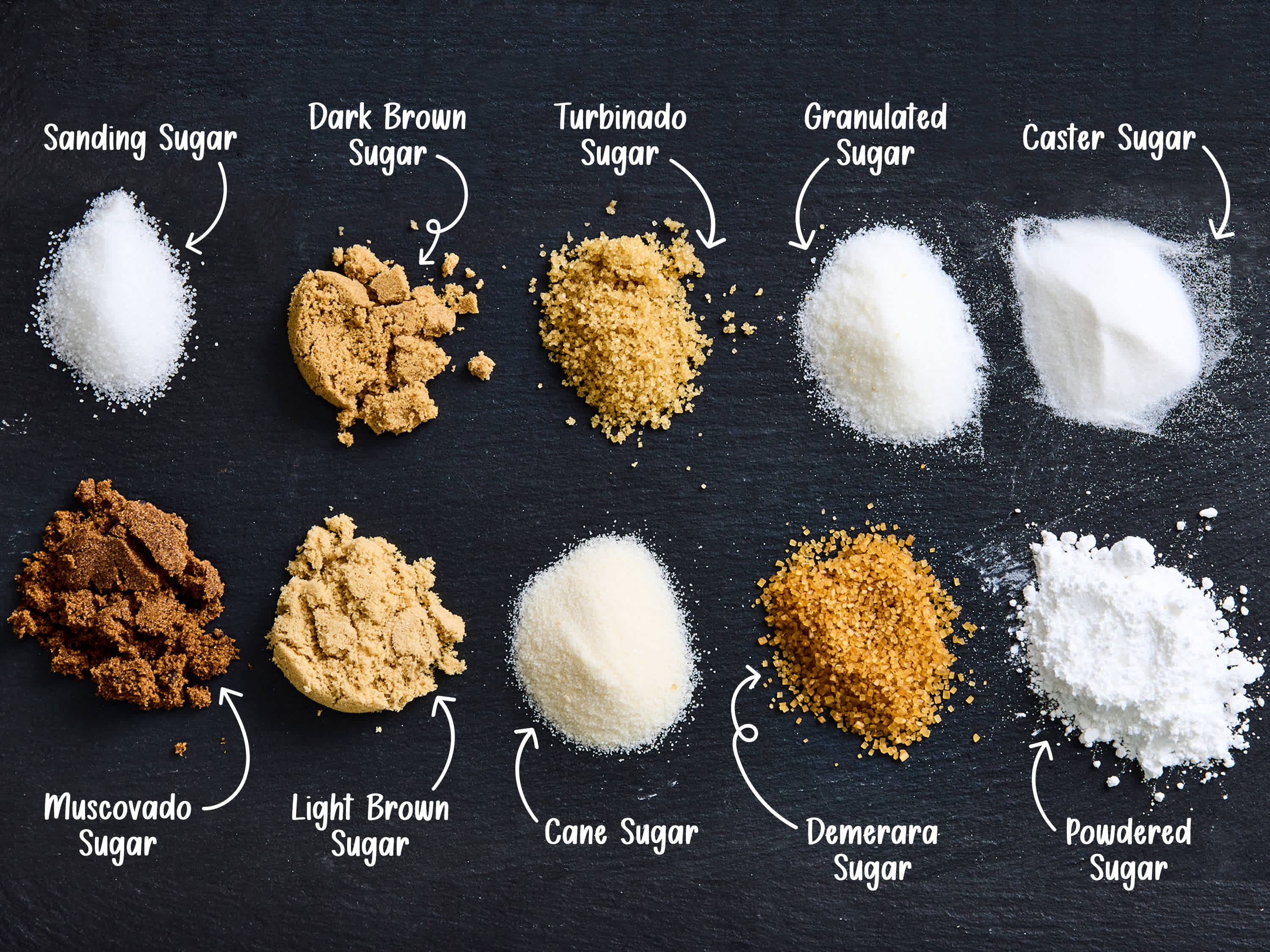 Granulated Sugar Vs Caster Sugar What Is Caster Sugar And How To Make
To make the most of this knowledge, start by identifying what each recipe truly needs. Read beyond ingredient names and consider texture — is the dish about smoothness and softness, or about structure and crunch? For light, airy cakes and mousse, lean toward caster sugar. For jam and caramel work where you need visible crystals and structure, granulated sugar is your friend. Keeping both in your pantry opens up a world of baking possibilities and builds your confidence one recipe at a time.
Ultimately, the journey into understanding sugar is a small but meaningful step toward becoming more comfortable in the kitchen. These two sugars aren't rivals — they're partners that each have their rightful place. Experiment with both, pay attention to results, and enjoy the fact that even the simplest ingredient has a fascinating story and a role to play in your favorite treats. Happy baking!


