Is Gorgonzola Cheese The Same As Blue Cheese

Ever found yourself staring at the cheese counter, wondering if that fancy wedge of Gorgonzola is just a fancier name for blue cheese? You’re not alone. This question pops up...
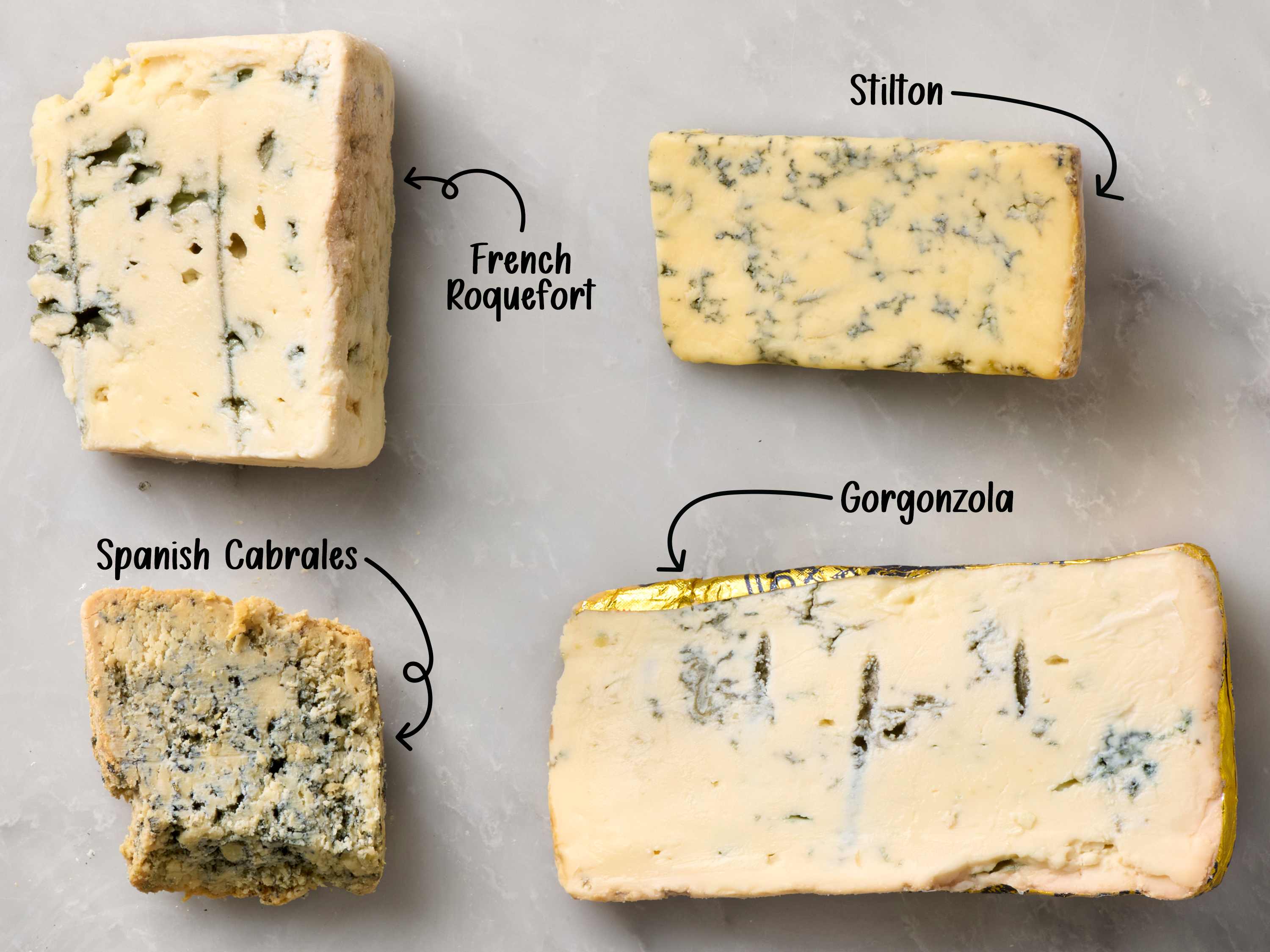
Ever found yourself staring at the cheese counter, wondering if that fancy wedge of Gorgonzola is just a fancier name for blue cheese? You’re not alone. This question pops up more than you’d think, and getting it straight is a total game-changer for anyone who loves a good, tangy bite. It’s not just about impressing your friends at a dinner party—it actually matters for your wallet, your taste buds, and your cooking confidence. Knowing the difference saves you from buying the wrong cheese for your recipe, and it helps you connect with a world of flavors that can turn a simple meal into something spectacular.
Why does this matter so much? For individuals, it’s about control over your experience. Ever bought a “blue cheese” dressing thinking it would be mild, only to get a punch of moldy funk? That’s because blue cheese is a big family, and Gorgonzola is just one cousin. For families, it can be a lifesaver: imagine whipping up a creamy pasta that even picky kids love by choosing a sweet Gorgonzola over a stinky Roquefort. For communities, it’s about cultural appreciation—Gorgonzola has a proud Italian story, while other blues come from France, England, or the U.S. Knowing this builds a bridge to global cuisine without leaving your kitchen.
Let’s get practical with examples. Real-life scenario: you’re hosting a wine night. You toss a beautiful wedge of Gorgonzola Dolce (the young, creamy one) on a tray with pears and honey. Your guests go wild. But if you’d grabbed a crumbly, sharp Stilton instead, the sweetness would clash. Another example: you’re making a blue cheese burger. The crumbly texture of a classic blue works great, but Gorgonzola’s meltability makes it perfect for a sauce. I once ruined a risotto by using a Danish blue—it turned bitter. Swap in Gorgonzola, and suddenly it’s luxurious. See the difference?
Must Read
So, how do you apply this easily? First, remember the rule of moisture: Gorgonzola is always softer and creamier than most blues because it’s aged less. Use it on warm dishes—pizza, pasta, or melted over polenta. For harder blues like Roquefort or Stilton, treat them as bold accents: crumble on salads, stuff into dates, or pair with dried fruit. Second, look at the label. If the cheese says “Gorgonzola,” it’s from specific Italian regions and has a protected name. If it just says “blue cheese,” it could be anything from mild to knock-your-socks-off strong. Start with Gorgonzola Dolce if you’re new; it’s the friendliest entry point.
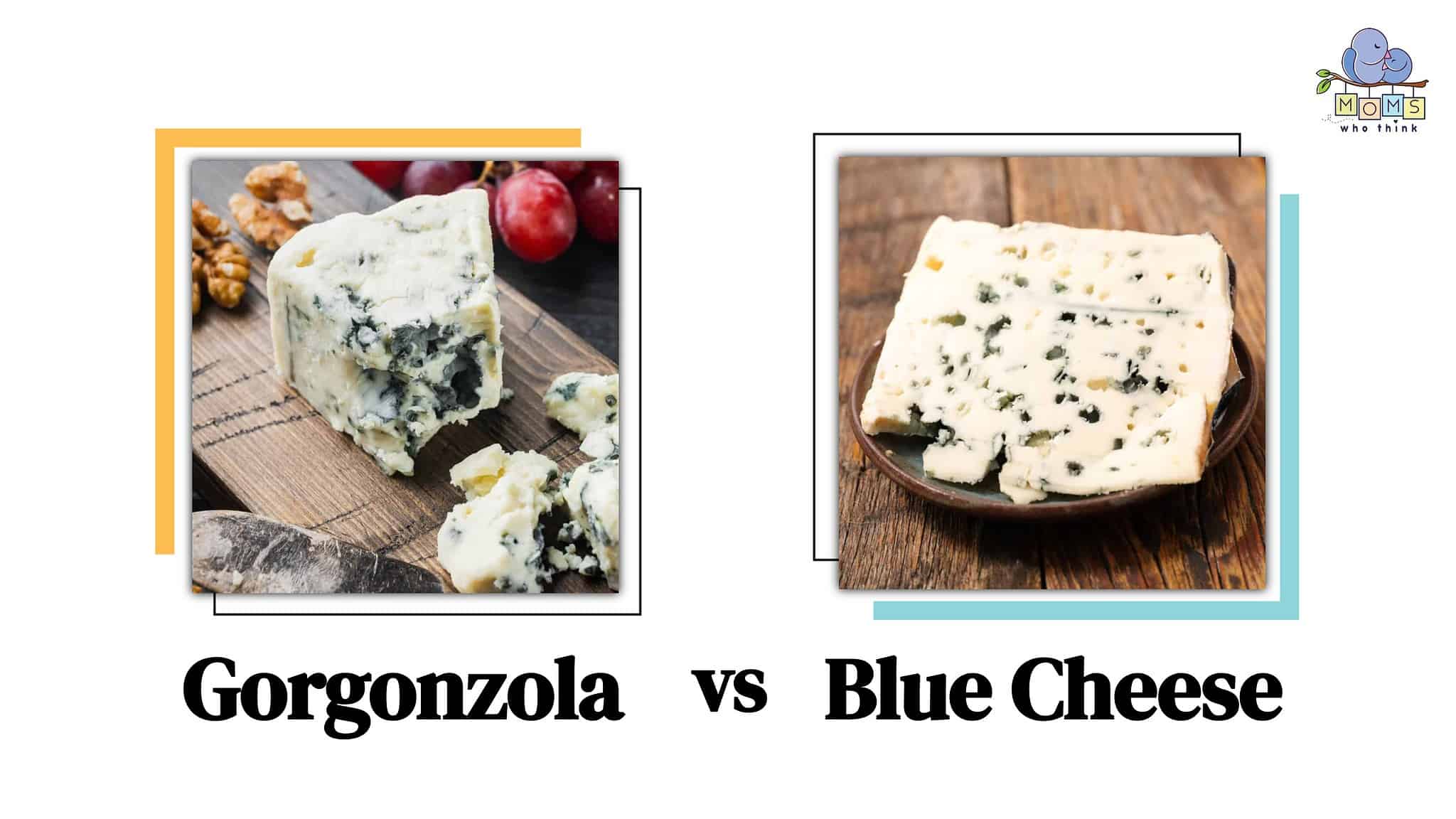 Choosing the Right Blue Cheese: Gorgonzola vs. Blue Cheese
Another practical tip: buy in small amounts. Because Gorgonzola is wetter, it spoils faster than dry blues. Wrap it in wax paper, not plastic, and eat within a week. For other blues, you can keep them for weeks. Also, try this swap: if a recipe calls for “blue cheese” and you want a milder, buttery taste, use Gorgonzola. If you want a punchy, salty kick, go for a classic blue like Maytag. This one hack has saved me from three failed cheese sauces—trust me!
On a community level, understanding this helps you become the go-to person at potlucks. Bring a Gorgonzola-and-fig flatbread, and watch it disappear. Or host a family cheese-tasting night: blindfold everyone and have them guess which is Gorgonzola, Stilton, and a cheap blue. It’s fun, educational, and builds food confidence in kids. Plus, you’re supporting regional traditions—Gorgonzola’s history dates to the 9th century in Italy. Sharing that story makes every bite feel special.
 Choosing the Right Blue Cheese: Gorgonzola vs. Blue Cheese
Here’s a final, simple cheat sheet for your kitchen: Gorgonzola = creamy, mild, melt-friendly (use on pasta, sauces, and with sweet fruits). Other blues = crumbly, sharp, salt-forward (use on salads, burgers, or as a strong spread). Don’t be afraid to experiment—one of my best dinners happened when I accidentally swapped Gorgonzola for blue in a chicken recipe. It turned out divine. The key is to taste, taste, taste. Your palate is the ultimate judge.
Closing on a positive note: whether you pick Gorgonzola or another blue, you’re in for a treat. This isn’t about being “right” but about expanding your flavor world. Gorgonzola is your gentle, creamy friend; blue cheese is your bold, adventurous cousin. Both have a place at your table—and understanding their quirks makes you a happier, more confident cook. So next time you’re at the store, grab the Gorgonzola with curiosity, not confusion. Your taste buds will thank you, your family will ask for seconds, and you’ll finally feel like you’ve cracked the cheese code. That’s a win for everyone.
