Is Glutinous Rice Same As Sushi Rice

You’re standing in the grocery aisle, staring at a bag of “glutinous rice” and wondering if it’s the same as the sushi rice you need. The names sound like cousins, but are the...

You’re standing in the grocery aisle, staring at a bag of “glutinous rice” and wondering if it’s the same as the sushi rice you need. The names sound like cousins, but are they actually twins separated at birth? Let’s get this sticky situation sorted out, because confusing them is a one-way ticket to a culinary disaster.
The Big, Sticky Misunderstanding
First, a huge reality check: glutinous rice and sushi rice are not the same thing. They’re both sticky, yes, but like a Great Dane and a Chihuahua are both dogs—technically related, but wildly different in personality and purpose. The name “glutinous” is a cruel trick because it sounds like it’s full of gluten, but it’s actually gluten-free. It’s named for its glue-like stickiness, not a sneaky wheat ingredient.
Here’s the first plot twist: true glutinous rice (also called sweet rice or sticky rice) is a special variety that’s opaque and extra-gummy when cooked. Meanwhile, sushi rice is just regular short-grain rice that’s been seasoned with vinegar, sugar, and salt. One is a star in its own right, the other is a supporting actor given a makeover.
Must Read
The Origin Stories Are Wildly Different
Glutinous rice is the life of the party in Southeast Asian cuisines. Think mango sticky rice from Thailand or zongzi (those glorious leaf-wrapped dumplings) from China. It’s so sticky that you can literally mold it into shapes with your hands, and it’s the reason you can eat it with just your fingers without losing a single grain.
Sushi rice, on the other hand, is a Japanese invention born from necessity. Hundreds of years ago, people used fermented rice to preserve fish. Eventually, someone figured out you could just season the rice with vinegar and eat it fresh. That’s right: sushi started as a fermented fish preservation method with rice you threw away. Imagine the horror of finding out your ancestors were eating fermented fish and tossing the perfectly good rice!
The Texture Trap: One Bite and You’ll Know
If you cooked a bowl of glutinous rice and a bowl of sushi rice side-by-side, your teeth would immediately notice the betrayal. Glutinous rice is like a chewy, soft cloud—each grain sticks to its neighbor so hard they form a single, velvety mass. It’s almost too sticky for sushi rolls because it turns into a solid brick.
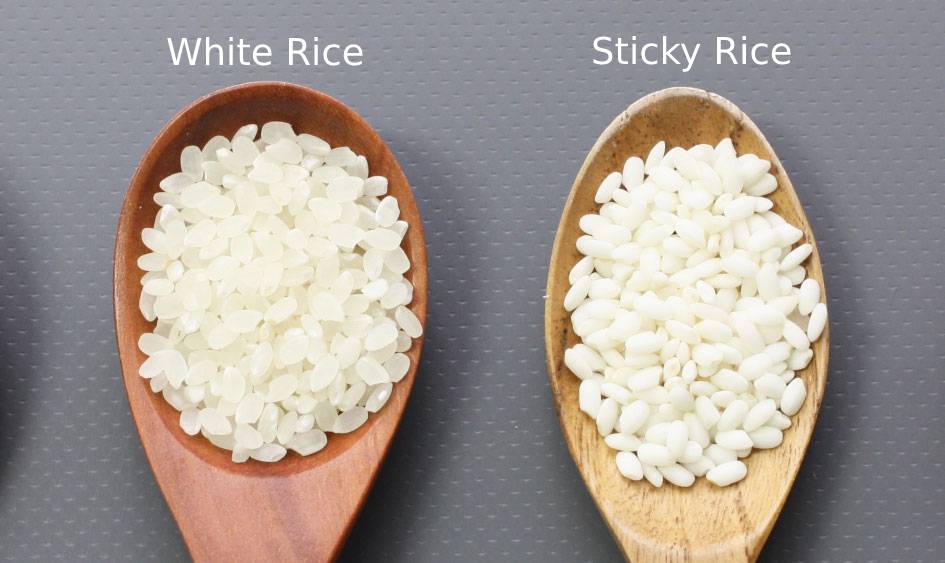 Paella Rice Vs Sushi Rice at James Elliot blog
Sushi rice is fluffier and firmer, with individual grains that hold their shape but still cling together playfully. It’s the Goldilocks of rice—not too sticky, not too dry. Swap them in a sushi roll, and you’ll end up with a soggy, glue-like blob that’s impossible to dip in soy sauce without losing half of it. Don’t say I didn’t warn you.
A Surprising Fact That’ll Blow Your Mind
Here’s a weird one: glutinous rice is used to make mochi, that squishy Japanese dessert. But wait—mochi is Japanese, and glutinous rice is Southeast Asian! Yes, it’s a cross-cultural superstar. In Japan, they call it mochigome, and they pound it into a paste for mochi, dango, and other chewy treats. No other rice can do this—try making mochi from sushi rice, and you’ll get a crumbly mess that tastes like regret.
And here’s a fact that will make you the hero of trivia night: glutinous rice contains virtually no amylose, the starch that makes rice fluffy and separate. It’s almost pure amylopectin, which is the sticky, waxy starch that turns it into edible glue. Sushi rice has a balanced mix, which is why it’s sticky but not super sticky.
 Sticky Rice vs. Sushi Rice - Similarities & Differences
How to Not Embarrass Yourself at the Store
If you want to make sushi, grab a bag labeled sushi rice or short-grain white rice. Look for brands like Nishiki or Botan—these are the reliable workhorses. Do not grab the bag that says “glutinous rice,” “sweet rice,” or “sticky rice” unless you’re making mango sticky rice or mochi.
If you want to make sticky rice desserts, look for the opaque, short-grain variety often sold in clear plastic bags. It’s usually cheaper than sushi rice, and it’s the only rice that will give you that legendary chew. Just don’t cook it in a rice cooker the same way—you need to soak it overnight and steam it, or you’ll end up with a gluey tragedy.
The Final Verdict: Good Friends, Not Twins
So, is glutinous rice the same as sushi rice? No, no, and a thousand times no. They’re like a comedian and a drama actor—both can make you cry, but for very different reasons. One is for dessert and dumplings; the other is for rolls and chirashi bowls.
Next time you’re in the aisle, remember this: sushi rice is a short-grain charmer with vinegar flair, while glutinous rice is the clingy, gluten-free friend who just wants to be molded into a ball. Now go forth and cook with confidence—and maybe keep a backup bag of white rice in case you accidentally buy the wrong one. We’ve all been there.
