Is Freezing A Chemical Change

From the satisfying clink of ice cubes in a summer drink to the pristine preservation of a bag of frozen peas, freezing is a process we rely on every single day. We value it n...
From the satisfying clink of ice cubes in a summer drink to the pristine preservation of a bag of frozen peas, freezing is a process we rely on every single day. We value it not just for culinary pleasure but for its incredible ability to extend the life of our food, reduce waste, and provide instant relief on a hot afternoon. The simple act of turning a liquid into a solid feels almost magical, a quiet transformation that keeps our kitchens running and our meals convenient. Yet, beneath this everyday miracle lies a fundamental question that often puzzles curious minds: is freezing a chemical change?
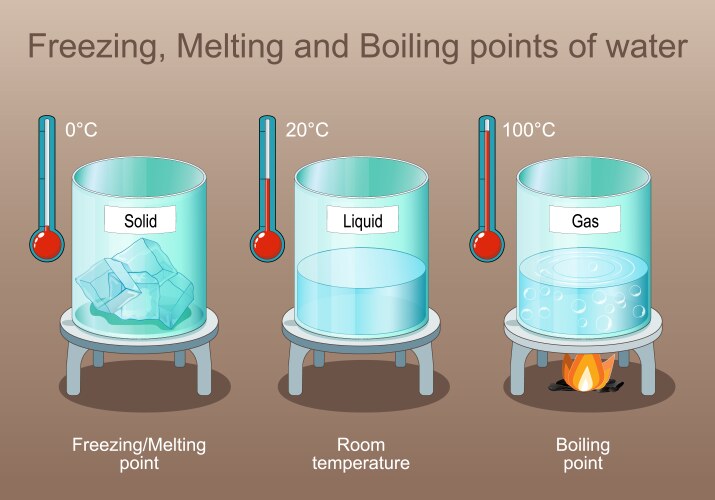
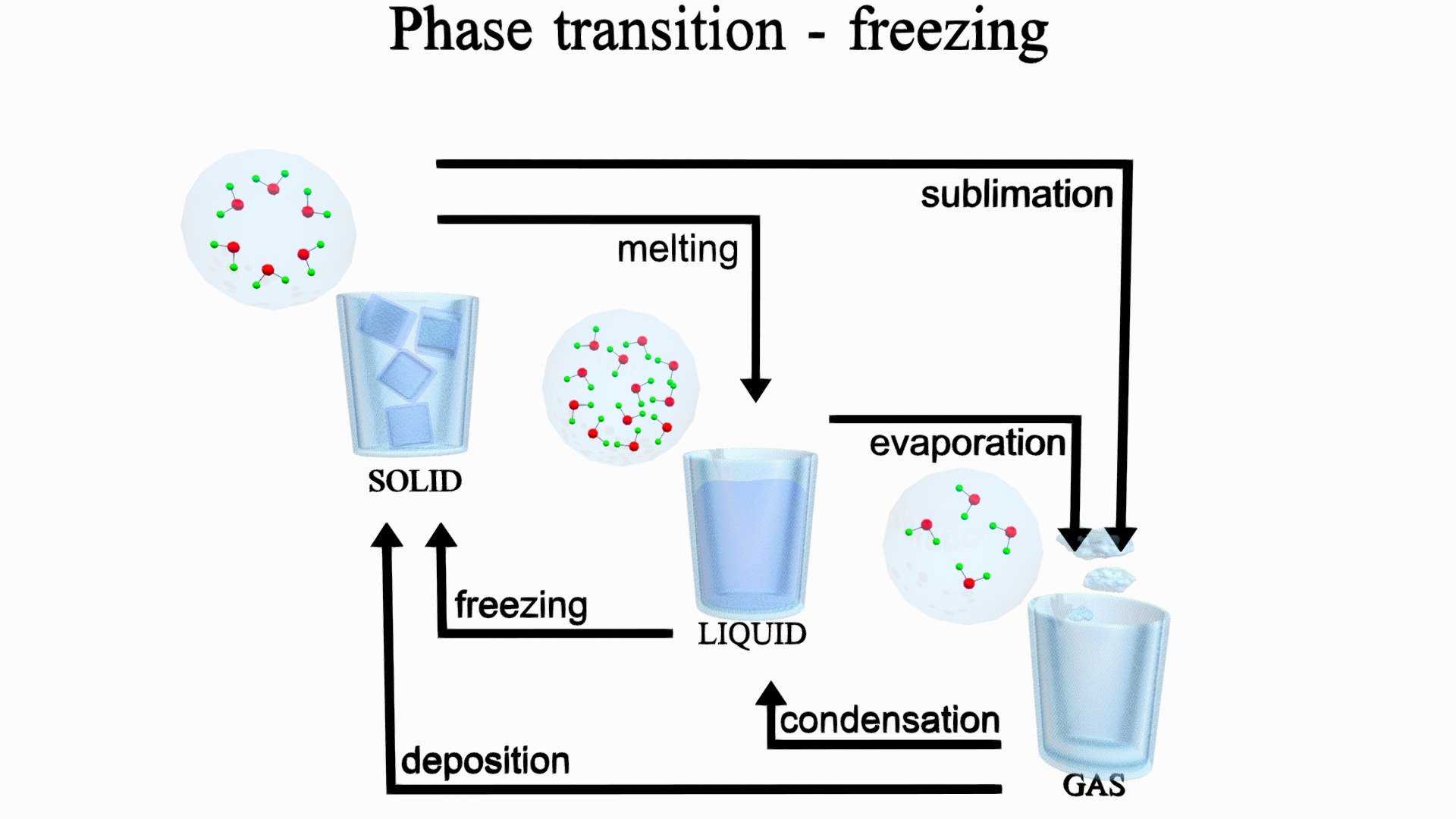
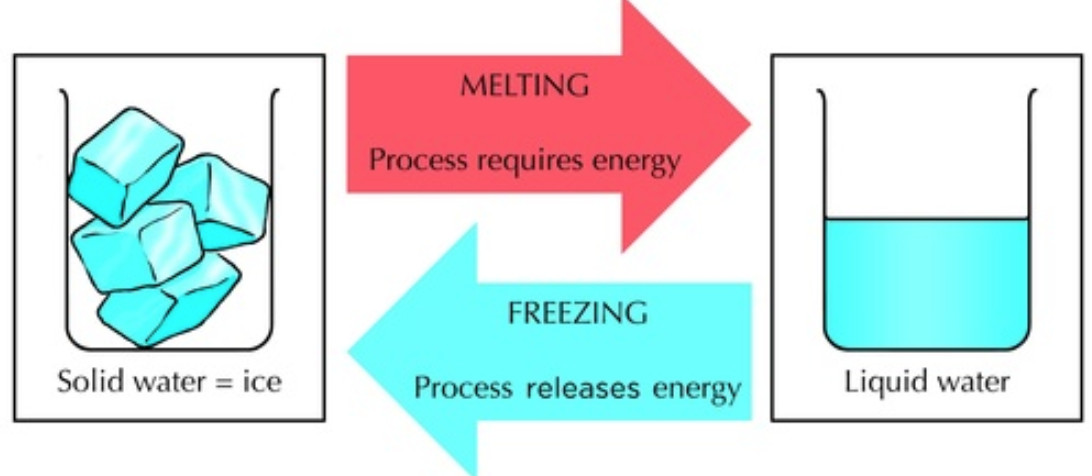
The core purpose of freezing is to lower the temperature of a substance until its molecules lose enough kinetic energy to lock into a rigid, crystalline structure. This process is purely physical. When you freeze water, each H₂O molecule remains exactly that—a water molecule. It hasn't turned into a new substance, nor has it gained or lost any atoms. Instead, the molecules have simply slowed down and arranged themselves into an orderly pattern. This is the key distinction: a chemical change alters the chemical composition of a substance, creating something entirely new, like rust forming on iron or bread toasting into caramelized goodness.
The benefits of understanding this distinction extend far beyond the science classroom. If freezing were a chemical change, your frozen strawberries would become something other than strawberries when thawed. Imagine pulling a chicken breast from the freezer, only to find it had transformed into a different type of protein or a metallic compound. This does not happen. The benefit is reliability: we can freeze our garden harvest in July, thaw it in December, and serve the same food we originally grew. This predictability is what makes meal prepping, bulk buying, and seasonal eating possible, saving households thousands of dollars annually and reducing food waste on a massive scale.
Must Read
Consider a common scenario: a bag of fresh spinach left on the counter will wilt, decay, and eventually rot—that is a series of chemical changes driven by bacteria and enzymes. Now, place that same spinach in the freezer. The enzymes are slowed to a crawl, and the microbes cannot multiply. The spinach leaves will still be chemically spinach after months in the freezer, though their cell walls may rupture from ice crystal expansion, making them soggy when thawed. This physical damage is a textural change, not a chemical one—the spinach hasn’t become something else; it has just structurally collapsed. This example highlights how freezing pauses chemical activity without altering the fundamental identity of the food.
While freezing itself is not a chemical change, it is intimately linked to chemistry in your kitchen. For instance, when you freeze a sauce, the water may separate from the fats and starches, causing a grainy texture upon thawing. This is a physical separation of components, but the individual ingredients remain unchanged. A deeper appreciation of this reality allows you to cook smarter: if a cream-based soup becomes watery after freezing, you know the chemistry of the sauce hasn’t spoiled—you simply need to whisk or re-emulsify it to restore its smoothness. Recognizing the physical nature of freezing empowers you to troubleshoot texture issues rather than discard perfectly good food.
 Physical Change Diagram Chemical Change V.S. Physical Change
To explore this concept in your own life, start with a simple experiment. Freeze a ripe banana whole and then thaw it. The banana will turn black and mushy—not because it has chemically decomposed, but because the freezing process ruptured its cell walls, releasing enzymes that cause browning (a chemical reaction that happens after thawing). Next, try freezing a saltwater solution; the salt will physically separate as pure water freezes first, leaving a concentrated brine behind. Observe the icicles on your freezer’s walls—they are pure water, demonstrating how impurities are excluded during physical freezing. For the most eye-opening test, freeze a sealed bottle of soda, then carefully thaw it. The carbonation will be lost, but the sugar and flavor molecules remain unchanged—a clear sign that only a physical state has altered.
In your daily routine, apply this knowledge by thinking like a chemist. When you freeze fruit for smoothies, you are relying on a physical change to preserve the original flavors and vitamins. When you freeze bread, you are halting staling (a chemical process) by physically immobilizing the water molecules. If you accidentally freeze a raw egg, notice how the yolk becomes gel-like—this is a physical change in viscosity, not the creation of a new chemical compound. By seeing freezing for what it truly is—a remarkable physical tool—you can better predict texture, flavor, and safety outcomes. The next time you pop a tray of ice cubes, remember: you are not transforming water into something new; you are merely asking it to dance in a pattern, ready to return to its fluid self whenever you command it. This understanding turns a simple household chore into an act of quiet, everyday science.