Is Food Allowed On The Plane

Let’s be real: food on a plane is one of those travel topics that sparks more debate than airline legroom or baggage fees. Whether you’re a frequent flyer or an occasional vac...
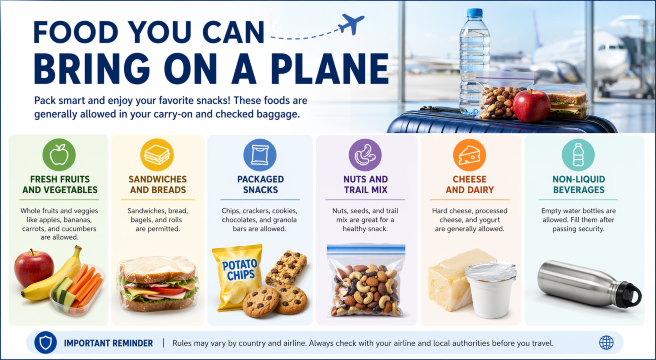
Let’s be real: food on a plane is one of those travel topics that sparks more debate than airline legroom or baggage fees. Whether you’re a frequent flyer or an occasional vacationer, the question “is food allowed?” pops up every time you pack a snack or eye that overpriced airport sandwich. The short answer is yes, but the real magic is in how you do it—and why it matters so much.
First off, bringing your own food on a plane isn’t just allowed—it’s a game-changer for your wallet. Airline meals, if you even get one, can cost a small fortune and often taste like cardboard. Packing a homemade sandwich or a bag of nuts saves you from blowing $15 on a sad, dry croissant. For families, this is huge: feeding three kids with airport food can easily hit $50 or more. Your own stash means cash stays in your pocket for actual fun.
Beyond money, health and comfort are major wins. Plane cabins are notorious for blasting dry air and serving processed snacks loaded with salt and sugar. Bringing your own nutritious options—like cut veggies, fruit, or protein bars—keeps your energy up and your stomach happy. I once packed a container of Greek yogurt and berries for a five-hour flight. Not only did I avoid the bloated feeling from pretzels, but I also felt sharp and relaxed during landing. For kids, familiar foods can ease anxiety and prevent meltdowns, turning a chaotic trip into a smooth ride.
Must Read
Community and cultural connection also sneak in here. Sharing a snack with a seatmate or offering a treat to a nervous flier can spark genuine smiles. On a recent trip, I had extra homemade cookies, and the woman next to me lit up—turns out she’d been craving something from home. Food breaks barriers, even at 35,000 feet. Plus, bringing local cuisine from your departure city (like empanadas or dumplings) lets you share a piece of your world, making the journey more memorable for everyone.
Now, a few practical tips to nail it. First, choose wisely: go for non-liquid, non-smelly items to avoid TSA trouble or annoyed neighbors. Think apple slices, peanut butter packets, cheese sticks, or dry crackers. Avoid anything that reeks (tuna, hard-boiled eggs) or oozes (soupy salads). Second, pack in clear, resealable bags for easy security checks—you’ll breeze through while others fumble with chips. And always bring an empty water bottle to fill after security; hydration is half the battle against jet lag.
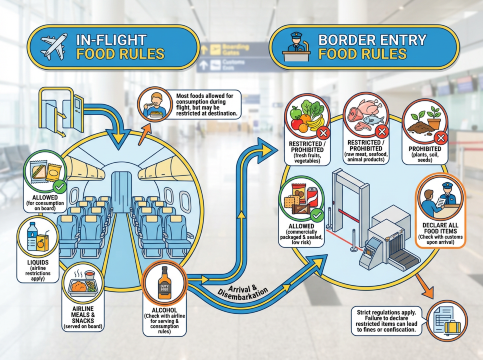 Prohibited food items on plane
Another sneaky hack: use food as a distraction tool. For families, a small bag of gummy bears or a lollipop can save the day during takeoff (the sucking motion helps ears pop). For solo travelers, a snack in hand can pass time during delays or turbulence. I always pack a small pack of gum or dark chocolate for nervous moments—it’s a tiny luxury that turns anxiety into something sweet.
Finally, remember the social etiquette: eat politely, avoid crinkly wrappers during the movie, and offer to share if you see someone looking hungry. A simple “want a granola bar?” can turn a stranger into a friend for the duration of the flight. Food on a plane is not just fuel—it’s a bridge between crazed travelers and a little slice of normalcy.
So, yes, food is allowed on the plane—and it’s a lifesaver for your budget, health, and mood. Whether you’re packing for a family of four or just yourself, a well-thought-out snack bag can transform a cramped flight into a pleasant journey. Go ahead, pack that sandwich. Your stomach—and wallet—will thank you.
