Is Eating Tripe Good For You

Welcome to the wonderfully weird world of tripe! If you’ve ever walked past a stomach-churning display at a butcher shop or a bustling Asian market, you might have wondered: I...
;)
Welcome to the wonderfully weird world of tripe! If you’ve ever walked past a stomach-churning display at a butcher shop or a bustling Asian market, you might have wondered: Is that rubbery, honeycomb-looking stuff actually good for me? The answer is a resounding yes, and discovering why is a deliciously fun adventure. This isn’t just about eating an odd part of an animal; it’s about unlocking a powerhouse of nutrition that your grandmother’s grandmother probably swore by. Think of this article as your friendly guide to turning a misunderstood ingredient into a health-boosting, budget-friendly secret weapon for your kitchen. So, put on your adventurous taste buds—we’re about to make tripe your new best friend.
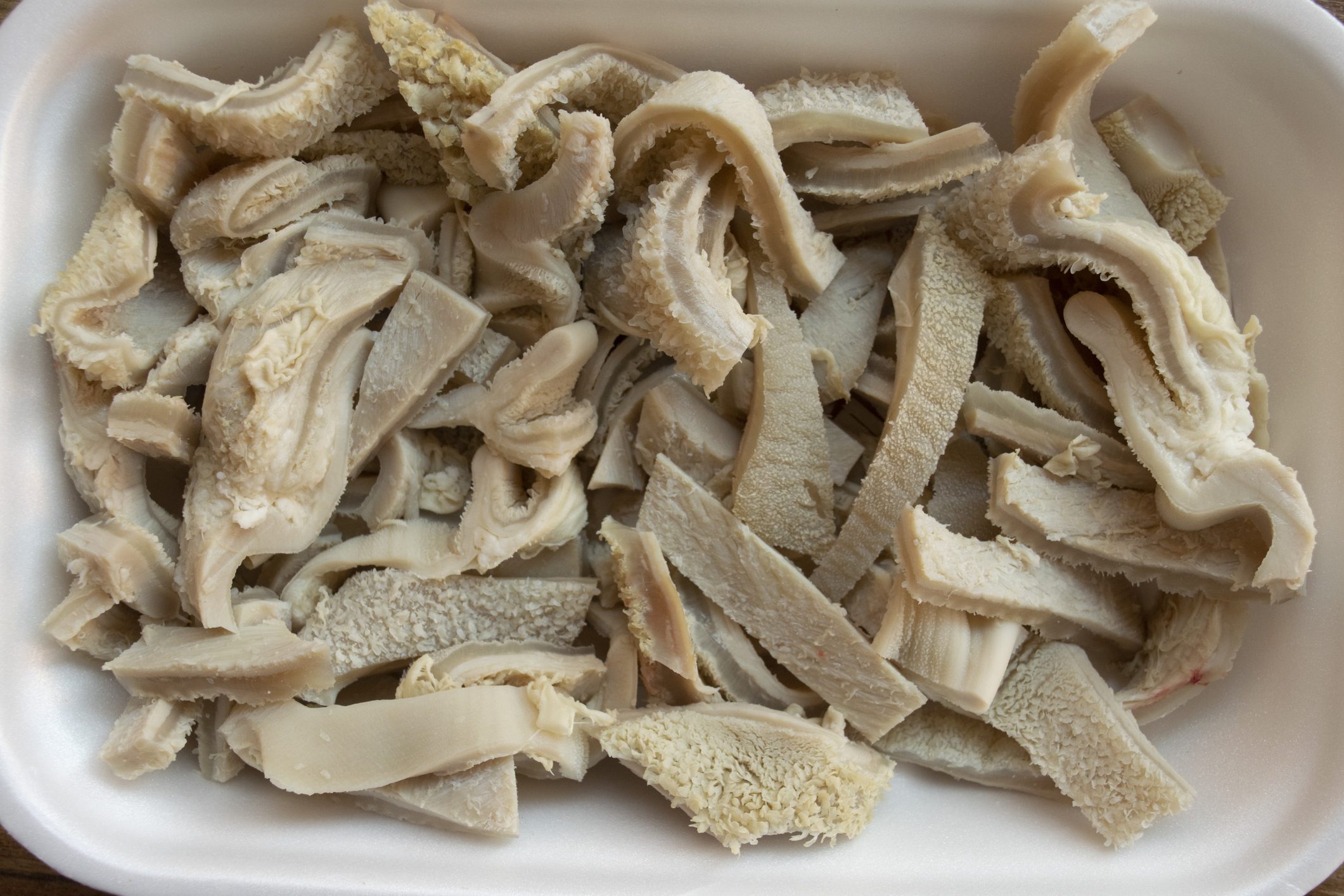
First, let’s talk about the impressive nutritional profile that makes tripe a quiet superstar. This stomach lining—typically from a cow, pig, or sheep—is packed with high-quality protein while being surprisingly low in fat and calories. A single serving can deliver a solid 10–15 grams of protein with less than 80 calories, making it a favorite for anyone watching their waistline or building muscle. But the real magic lies in its rich supply of essential nutrients: tripe is an excellent source of selenium, a powerful antioxidant that supports your immune system and thyroid function; zinc, which helps with healing and hormone balance; and vitamin B12, crucial for energy and healthy nerves. If you’ve been looking for a whole-food way to boost your intake without pills, tripe delivers these nutrients in a highly absorbable form. It’s like a multivitamin disguised as a chewy, savory treat.
Now, let’s get creative with some delicious ways to embrace tripe. Don’t just boil it and call it a day—that’s a rookie mistake! One of the most beloved examples is the classic Italian "trippa alla Romana": slow-simmered tripe in a rich tomato sauce with onions, carrots, and a generous sprinkle of Parmesan. The long cooking time transforms the texture into something tender and silky that soaks up every bit of flavor. For a spicy kick, try Korean "gopchang"—grilled tripe served with a fiery gochujang dip and fresh lettuce wraps. Or take a trip to Mexico with "menudo", a hearty, soul-warming soup made with tripe, hominy, and a chili-laced broth that’s legendary for curing hangovers. The creative idea here is to pair tripe with bold, acidic, and aromatic ingredients—think garlic, ginger, lemon, chilies, or vinegar—which cut through its mild, earthy flavor. Treat it like a sponge for your favorite sauces, and you’ll never find it boring.
Must Read
Before you dash to the store, you need to know how to handle this ingredient with confidence. Raw tripe can be a bit intimidating—it’s often sold pre-cleaned and bleached (labeled as "dressed" tripe), but it’s wise to give it a thorough rinse under cold water. To remove any lingering odor or slight ammonia smell, soak the pieces in milk or salted water for 30 minutes, then scrub them gently. Next, you’ll want to blanch it in boiling water for 5–10 minutes before your main cooking. This step tenderizes the rubbery edges and ensures a clean finish. For the best texture, remember: low and slow is the golden rule. Simmering tripe for 1–3 hours (depending on the cut) will break down its collagen-rich fibers into a melt-in-your-mouth delight. If you’re short on time, a pressure cooker works wonders in under 30 minutes—just don’t rush the seasoning!
Here’s a practical tip for the tripe-curious: start with a small portion from a trusted source. Look for "honeycomb tripe" (from a cow’s second stomach) because it has a beautiful pattern that holds sauce exceptionally well and is easier to cook. Your local butcher or an Asian grocery store is your best bet for fresh, high-quality cuts. When you bring it home, don’t be shy about freezing extra portions—tripe freezes beautifully for up to three months. For a first-timer, try a simple tripe soup: sauté onion and garlic in olive oil, add diced tomatoes, a splash of white wine, then the blanched tripe, and cover with broth. Let it simmer for an hour, then finish with fresh parsley and a squeeze of lemon. You’ll taste the difference between a cheap meal and a nutrient-dense one!
 Beef Tripe Soup Benefits
Of course, no food is perfect for everyone. A few considerations are worth keeping in mind. Because tripe is an organ meat, it contains purines, which can be a concern for people with gout or kidney issues—so if you have those conditions, enjoy tripe in moderation and check with your doctor. Also, the texture is not for everyone; it’s delightfully chewy, but some beginners might find it off-putting. My advice? Slice it very thin or even mince it if you’re unsure. You can sneak it into chili, Bolognese sauce, or stir-fries where its texture blends with other ingredients. And don’t forget: because tripe is so lean, it’s easy to overcook into toughness, so stick to those gentle simmering techniques. Think of it as a piece of meat that rewards patience—like good barbecue or a slow-braised pot roast.
So, is eating tripe good for you? Absolutely—if you give it a fair chance. This humble cut is a nutritional gem that’s kind to your wallet, gentle on the planet (because we’re using every part of the animal), and surprisingly versatile in your kitchen. Whether you’re a seasoned foodie or just looking for a fun way to boost your protein and minerals, tripe invites you to explore a world of flavor and tradition. Don’t let its odd reputation scare you off; instead, see it as an opportunity to cook with courage. You might just discover that the best health foods come from the parts of an animal we least expect. So go ahead—take a trip into the world of tripe. Your body (and your taste buds) might thank you for it.
;&description=Is+Eating+Tripe+Good+For+You)