Is Eating Salami Bad For You

There’s something universally delightful about a platter of salami, isn’t there? It’s the star of charcuterie boards, the hero of a simple sandwich, and the quick snack that f...

There’s something universally delightful about a platter of salami, isn’t there? It’s the star of charcuterie boards, the hero of a simple sandwich, and the quick snack that feels just a little bit fancy. This cured meat is widely appreciated for its bold, savory flavor and its incredible convenience—it doesn’t need cooking, lasts for weeks in the fridge, and pairs perfectly with cheese, crackers, or a crisp glass of wine. Whether you’re hosting a party or just need a protein-packed lunch, salami brings a satisfying, tangy richness that few foods can match.
But let’s be honest: for all its popularity, we’ve all paused mid-bite and wondered, is eating salami actually bad for me? The short answer is not necessarily, but it depends on how much and how often you eat it. Salami is a processed meat, which means it’s been cured, fermented, and often salted or smoked. While these methods give it that delicious, shelf-stable quality, they also introduce some nutritional trade-offs. The main purpose of this article is to help you enjoy your favorite salami without the guilt—by understanding what’s in it and making smart choices.
The biggest concern with salami is its sodium and saturated fat content. A typical two-ounce serving can pack over 700 milligrams of sodium—about a third of your daily limit. That’s a lot for one snack. For people with high blood pressure or heart concerns, this is a real red flag. But here’s the nuance: not all salamis are created equal. Genoa salami is usually fattier, while hard salami (like pepperoni-style) can be a bit leaner. Reading labels matters—look for “uncured” or “no nitrates added” versions if you want to reduce processed additives. And if you’re watching your salt, pair a small portion with fresh cucumber slices or a handful of olives to balance the flavor and dilute the sodium load.
Must Read
Another key point is the nitrates and nitrites used in curing. These preservatives prevent bacterial growth and give salami its pink color, but when cooked at high heat, they can convert into compounds linked to certain cancers. However, the risk is dose-dependent. The World Health Organization classifies processed meat as a Group 1 carcinogen—but this doesn’t mean one slice will harm you. It means consistent, heavy consumption over years increases risk. If you’re a casual fan, enjoying a few slices a couple of times a week is unlikely to be a big deal, especially if you balance your diet with plenty of fiber-rich veggies and whole grains.
So, how do you make the most of salami without going overboard? Start with portion control. Think of it as a flavorful accent rather than the main event. For example, shave a few thin slices over a salad instead of piling them on a sandwich. Or use it to wrap melon or pickled vegetables for a low-carb, high-taste bite. You can also choose quality over quantity—artisan or small-batch salamis often use higher-quality pork, fewer fillers, and traditional fermentation methods that may be gentler on your system.
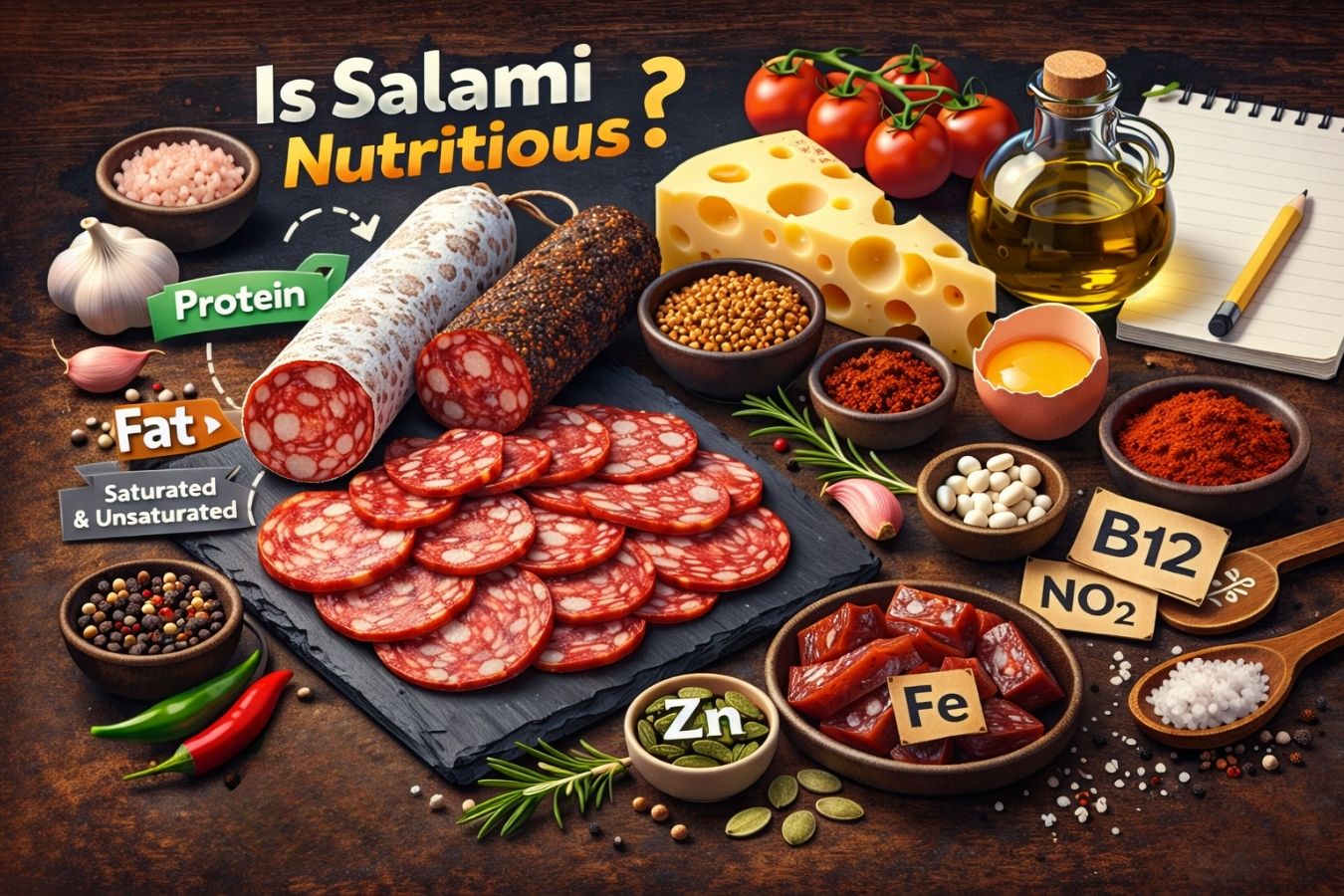 The Truth About Salami’s Nutritional Value Might Surprise You
If you’re new to navigating deli meats, here’s a simple action tip: pair salami with foods that support heart health. A board with dark chocolate, walnuts, and berries might sound indulgent, but the antioxidants and healthy fats can help offset the processed meat’s downsides. Another easy hack: always drink water with your salami to help flush excess sodium. And if you’re feeling adventurous, try swapping salami for a leaner option like prosciutto or turkey-based salami on some days—you’ll still get that savory punch with less fat.
In the end, eating salami is not a villain act—it’s a matter of mindful enjoyment. The benefits are real: it’s rich in protein, zinc, and B12, and it makes healthy eating feel fun and accessible. The key is to treat it like a special friend you see occasionally, not a daily roommate. So go ahead, grab that board, slice some Genoa, and maybe add an extra handful of arugula. Your taste buds—and your body—will thank you for the balance.
