Is Eating Cooked Chicken Bones Healthy

So, you were sitting at dinner last night, gnawing on a drumstick like it was your personal mission to leave no meat behind, and you accidentally cracked a bone. Before you sp...

So, you were sitting at dinner last night, gnawing on a drumstick like it was your personal mission to leave no meat behind, and you accidentally cracked a bone. Before you spit it out in horror, pause — is eating cooked chicken bones actually bad for you? Or have we all been a little too dramatic? Grab your zoomies enthusiasm, bestie, because we're diving headfirst into this crispy, crunchy topic.
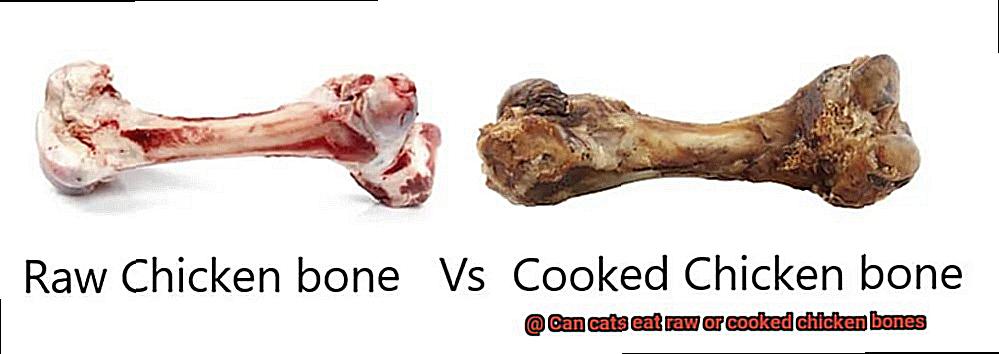
First things first: the bone debate. Cooked chicken bones are, by nature, rigid and sharp when they break. That little splinter in your throat isn't survival mode — it's a one-way ticket to an uncomfortable evening. Most nutritionists will tell you straight up: crunching cooked bones is a no-go. They can scratch your esophagus, poke your gums, and in rare (but scary) cases, cause intestinal punctures. Not exactly the kind of wellness routine you signed up for, right?
But hold up — don't toss those bones in the trash just yet. Here's where it gets interesting. If you don't chew the bone itself but instead simmer it slowly in a pot with some water, garlic, and a bay leaf, you're basically unlocking a nutritional goldmine. Chicken bone broth is loaded with collagen, gelatin, magnesium, phosphorus, and calcium. Your joints? Happy. Your skin? Glowing. Your gut? Doing a little happy dance. Many cultures around the world — from European grandmothers to Mexican street vendors — have been slurping their way to better health with bone broth for centuries. So the smart play is to let the goodness seep out of the bones, not crunch on them like a barbarian at a Renaissance fair.
Must Read
Now let's address the elephant-or should we say chicken?in the room. Some people swear by cracking open marrow bones baked low and slow, scooping out the soft, buttery center. That's actually quite nutritious, packed with healthy fats and essential minerals. The difference? Marrow is soft and spreadable, not sharp and dangery. So yes, you can eat parts of a chicken bone — just pick the ones that won't double as medieval weaponry.
What about the calcium everyone claims you'll get from eating bones directly? Sure, ground-up, finely powdered chicken bone has been marketed as a supplement, and it does contain calcium. But commercially processed powder is a far cry from biting into a whole cooked bone like you're playing a home version of The Floor Is Lava. Your stomach acid will break down some bone material, but it's neither efficient nor recommended in raw, crunchy form.
 Can You Eat Chicken Bones? (Are There Benefits?) - Practical Cooks
Here's a quick cheat sheet for you: Don't crunch cooked chicken bones — too sharp, too risky. Do make bone broth — slow-simmer those beauties and sip your way to joint bliss. Yes to soft marrow from gently baked marrow bones. And definitely no to forcing yourself to eat bone shards for calcium when a simple supplement or leafy greens will do the trick.
At the end of the day, listening to your body is the ultimate wellness hack. You don't need to prove how hardcore you are by munching on bones. The world already knows you're a legend just for reading this whole article while probably nursing a rogue behind-the-back scratch. Next time you roast a chicken, save those leftover bones for a nourishing broth instead. Your future self — supple joints, glowing skin, happy gut — will absolutely thank you. And hey, doing things the smarter way? Now that's the real flex. Stay loyal to your health, stay fun with your food, and as always, keep that smile on your face.