Is Dried Thyme The Same As Ground Thyme

There are few things more rewarding than the aroma of thyme drifting through a kitchen. Whether it’s a slow-simmering stew, a roast chicken, or a simple tomato sauce, this her...
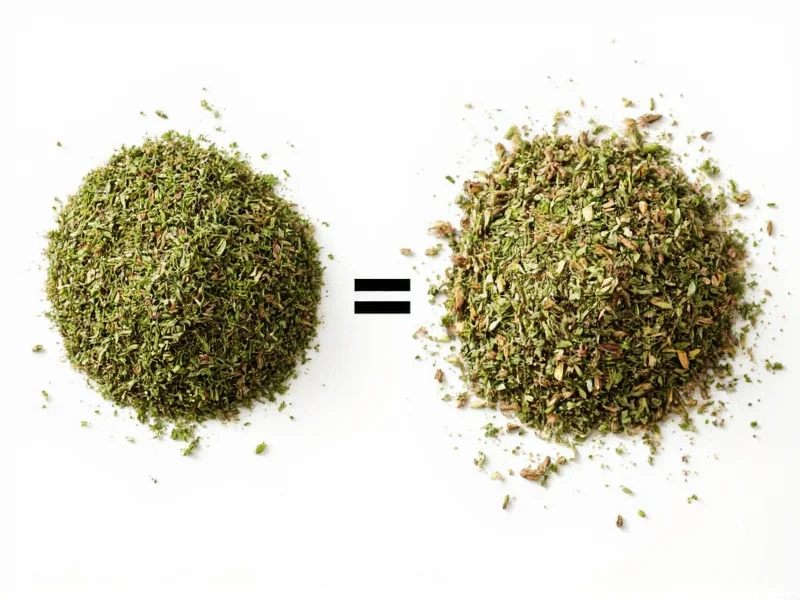
There are few things more rewarding than the aroma of thyme drifting through a kitchen. Whether it’s a slow-simmering stew, a roast chicken, or a simple tomato sauce, this herb elevates everyday cooking from ordinary to memorable. But when you reach for your spice rack, a common question arises: is dried thyme the same as ground thyme? The short answer is no, and understanding the difference can transform how you cook, enhancing both flavor and texture in dishes you already love.
The key purpose of both forms is to deliver thyme’s signature earthy, slightly minty, and lemony notes, but they do so in very different ways. Dried thyme refers to the whole leaf, often still attached to small stems, which is dried and crumbled. Ground thyme, on the other hand, is the dried leaf that has been pulverized into a fine powder. This fundamental difference in texture leads to distinct behaviors in the pot. Dried thyme is robust and holds its shape, releasing flavor gradually. Ground thyme integrates seamlessly, dispersing its essence instantly and uniformly, making it a powerhouse for immediate impact.
Recognizing this difference brings clear benefits for everyday life. For instance, imagine you’re making a hearty beef stew. You want the herb to withstand long, slow simmering without disappearing. Here, dried thyme is your champion. Its whole leaves will infuse the broth over time and still offer a pleasant, subtle chewiness in the final bite. Conversely, picture you’re whipping up a quick marinade for grilled chicken or a creamy salad dressing. You need the flavor to meld in minutes, not hours. Ground thyme shines here, as its powder dissolves effortlessly, ensuring every spoonful tastes evenly of thyme without any gritty or leafy bits.
Must Read
Another scenario highlights their contrasting roles: baking. If you’re making dinner rolls or a savory scone, ground thyme is the safer choice. Because baked goods have a short cooking time and a delicate crumb structure, whole leaves can create uneven pockets of flavor or an off-putting texture. A small amount of ground thyme will distribute perfectly through the dough, lending a subtle herbal warmth. However, for a dish like a long-braised lamb shank, where you might also tie a bouquet garni, whole dried thyme—even sprigs—adds deep foundation flavor without overwhelming the dish with powderiness.
For the home cook, a practical rule of thumb is this: use dried thyme for long, moist cooking and ground thyme for quick, dry cooking or smooth sauces. A simple example is a lemon-thyme vinaigrette. Whisking in ground thyme creates a uniform, silky dressing, while dried leaves might sink to the bottom or feel jarring against your teeth. Conversely, when you’re seasoning roasted vegetables, a sprinkle of dried thyme right before they go into the oven will crisp up beautifully, releasing its oils as they roast. Understanding this nuance prevents flavor disasters—like biting into a powdery meatball or a sauce that tastes of plain grass.
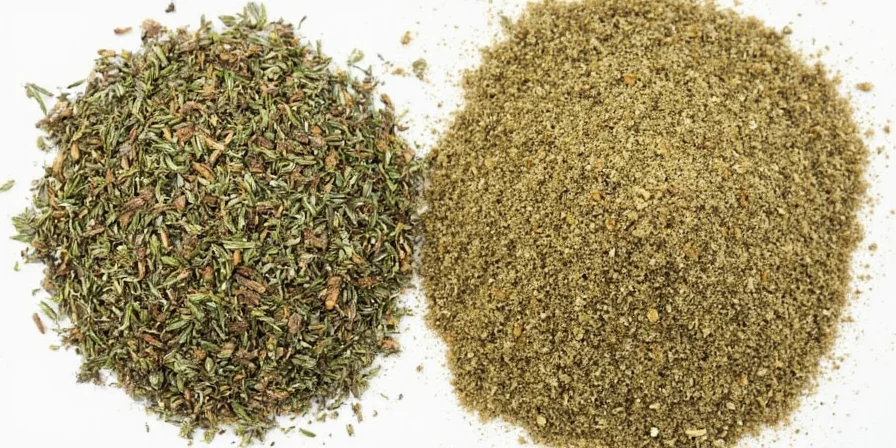 Is Dried Thyme the Same as Ground Thyme? A Spicy Tale of Texture and Taste!
To explore this herb on your own, start with these simple tips. First, adjust quantities: because ground thyme is more concentrated and releases flavor faster, you generally need less of it. A good starting ratio is 1 teaspoon of dried thyme to ½ teaspoon of ground thyme. Second, try a side-by-side taste test. Steep a pinch of each in a small cup of hot water for five minutes. You will immediately notice how the dried leaves have a lighter, more lingering flavor, while the ground version is intense and immediate. Finally, grind your own. If a recipe calls for ground thyme and you only have dried, simply place the dried leaves in a mortar and pestle or a spice grinder for a few seconds. You’ll get a fresher, more aromatic powder than most store-bought versions.
In the end, dried thyme and ground thyme are not the same, but they are powerful allies in the kitchen. One gives you structure and longevity; the other offers intensity and integration. By recognizing when to use each, you will unlock a deeper level of control over your cooking, reducing guesswork and improving results. Whether you are simmering a Sunday ragù or dressing a weeknight salad, knowing the difference means you can invoke thyme’s timeless charm exactly where it belongs—elevating every meal you create.
