Is Dijon Mustard The Same As Honey Mustard

Let’s be honest—there are few things in the kitchen more quietly satisfying than a good condiment debate. Maybe you’ve stared at a shelf of mustards, wondering why one is brig...
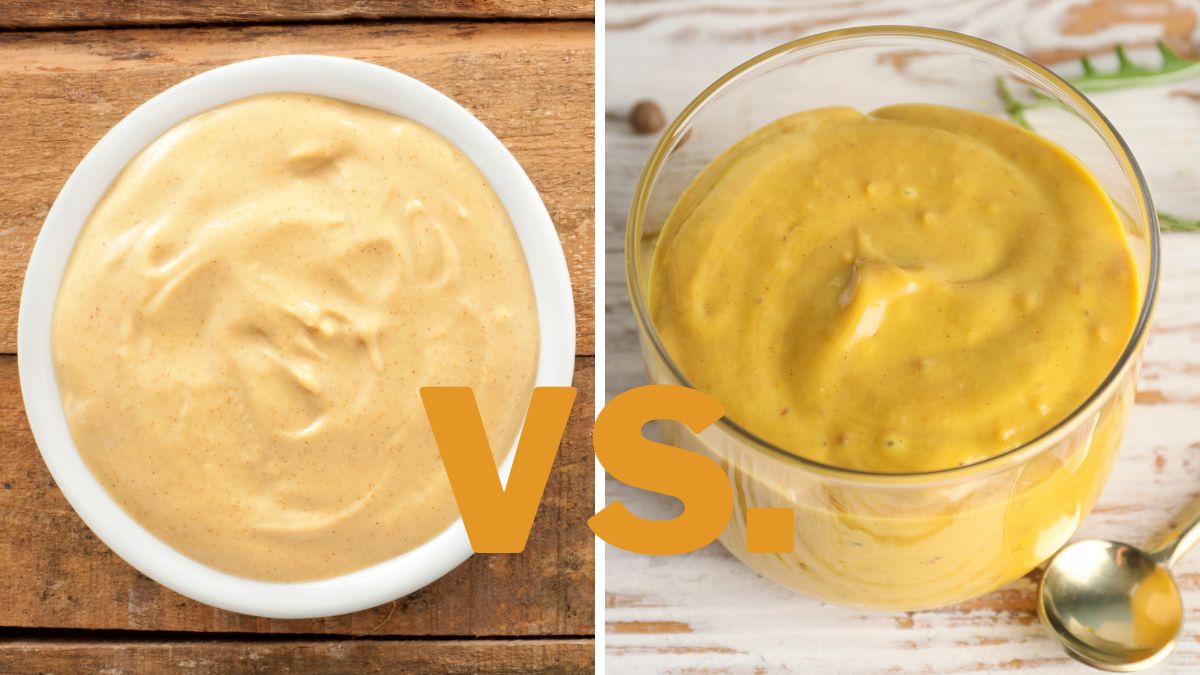
Let’s be honest—there are few things in the kitchen more quietly satisfying than a good condiment debate. Maybe you’ve stared at a shelf of mustards, wondering why one is bright yellow and another looks like a fancy, earthy paste. Or you’ve accidentally slathered honey mustard on a sandwich when you meant Dijon, only to realize the flavor was totally different. This topic is both practical and surprisingly fun because it helps you cook smarter—and taste better. Whether you’re a meal-prepper, a picnic planner, or just someone who loves a chicken tender, knowing the difference between these two mustard stars can save you from a disappointing dip or a too-tangy marinade. The main benefit? You’ll nail every recipe, from a classic vinaigrette to a sweet glaze, without guessing.
So, are Dijon and honey mustard the same thing? The short answer is no. They’re like cousins—related, but with very different personalities. Dijon mustard, born in the French city of Dijon, is made from brown or black mustard seeds, white wine or wine vinegar, and sometimes a touch of salt. Its flavor is sharp, tangy, and pungent—the kind of kick that wakes up a salad dressing or a roast beef sandwich. Honey mustard, on the other hand, is a blend of mustard (often yellow or Dijon-style) with honey, plus maybe a little vinegar or mayonnaise for creaminess. It’s sweet, mellow, and much more kid-friendly. Think of Dijon as the sophisticated aunt and honey mustard as the playful cousin who shows up to a barbecue with a bottle of sauce.
Let’s look at some common examples you’ve likely encountered. Picture a classic honey mustard dipping sauce for chicken nuggets—that’s pure honey mustard territory: sweet, sticky, and mild. Now picture a Dijon vinaigrette on a salad: it’s tangy, herbal, and cuts through greens like a sharp knife. Another popular variation is whole-grain Dijon, which has visible seeds and a crunchier texture, perfect for glazing pork. And then there’s honey Dijon mustard—a hybrid that tries to bring the best of both worlds, with the honey softening Dijon’s bite. These aren’t interchangeable: swap Dijon for honey mustard in a honey-mustard dressing, and you’ll get a sour mess; swap honey for Dijon in a marinade, and you’ll miss the sweetness.
Must Read
Why does this matter for your cooking? Because flavor balance is everything. Dijon’s acidity makes it a dream for emulsifying vinaigrettes (it helps oil and vinegar blend), while its heat stands up to strong flavors like grilled meats, mustard crusts, or cruciferous vegetables. Honey mustard, with its sugar content, caramelizes beautifully on baked chicken or salmon, creating a glossy, sweet glaze. If you’re making a sauce for a roasted chicken, Dijon gives you a savory punch; honey mustard gives you a sticky-sweet finish. Knowing this means you can confidently adjust recipes—add more honey to Dijon to mimic honey mustard, or a pinch of vinegar to honey mustard for a Dijon-like tang.
Here’s a simple, actionable tip for beginners: start by tasting each one plain. Dip a clean spoon into your Dijon and then into your honey mustard. Notice the difference in texture—Dijon is often smoother or grainier, honey mustard is thicker and runny. Then, try mixing a little Dijon into honey mustard, a teaspoon at a time, to create your own custom blend. This is perfect for people who want less sweetness or more kick. Another pro move: read the ingredient list. If the first ingredient is honey or sugar, it’s honey mustard. If it’s mustard seeds and vinegar, it’s Dijon. This simple habit prevents mix-ups when you’re shopping or meal-prepping.
 Honey Mustard vs. Dijon Mustard - The Kitchen Community
For making the most of both, think about pairing them with specific foods. Dijon loves: vinaigrettes, marinades for beef or lamb, deviled eggs, and creamy sauces (like for roasted vegetables). Honey mustard loves: chicken fingers, pork tenderloin, pretzel bites, and simple salads with fruit or nuts. A great kitchen hack? Keep a jar of Dijon and a jar of honey handy—you can always make honey mustard by combining them (roughly 2 parts mustard to 1 part honey), adjusting to taste. This saves space and gives you control over the sweetness.
In the end, Dijon and honey mustard are not twins—they’re two distinct stars in your condiment constellation. Embracing their differences is what makes cooking fun and flavorful. The next time a recipe calls for one or the other, you won’t panic. You’ll know exactly which side of the tangy-sweet spectrum you want to land on. And if you accidentally grab the wrong jar? No worries—just add a little honey to that Dijon, or a splash of vinegar to that honey mustard, and enjoy the happy accident. After all, half the joy of cooking is learning to adapt.
