Is Dijon Mustard And Spicy Brown Mustard The Same

There is something genuinely satisfying about the sharp, sinus-clearing kick of a good mustard. Whether it’s slathered on a bratwurst at a summer cookout, whisked into a zesty...
There is something genuinely satisfying about the sharp, sinus-clearing kick of a good mustard. Whether it’s slathered on a bratwurst at a summer cookout, whisked into a zesty vinaigrette, or used as a secret ingredient in a creamy potato salad, this humble condiment elevates everyday meals with a punch of flavor and complexity. Its key purpose is to balance richness, cut through fat, and add a layer of savory heat that invigorates the palate. For those who love to cook or simply enjoy a bold sandwich, understanding the nuances between different types of mustard can transform a good dish into a great one, offering a simple way to experiment with taste and texture in daily life.
A common point of confusion arises when standing in the grocery aisle: Dijon mustard and spicy brown mustard. While they share a similar golden-yellow hue and a reputation for heat, they are not the same condiment. This distinction matters because using the wrong one can alter the intended profile of a recipe. Imagine expecting the refined, elegant tang of a Dijon in a delicate honey-mustard sauce, only to be met with the gritty, rustic bite of a brown mustard. The difference is subtle but significant, and knowing it gives you greater control and confidence in your cooking.
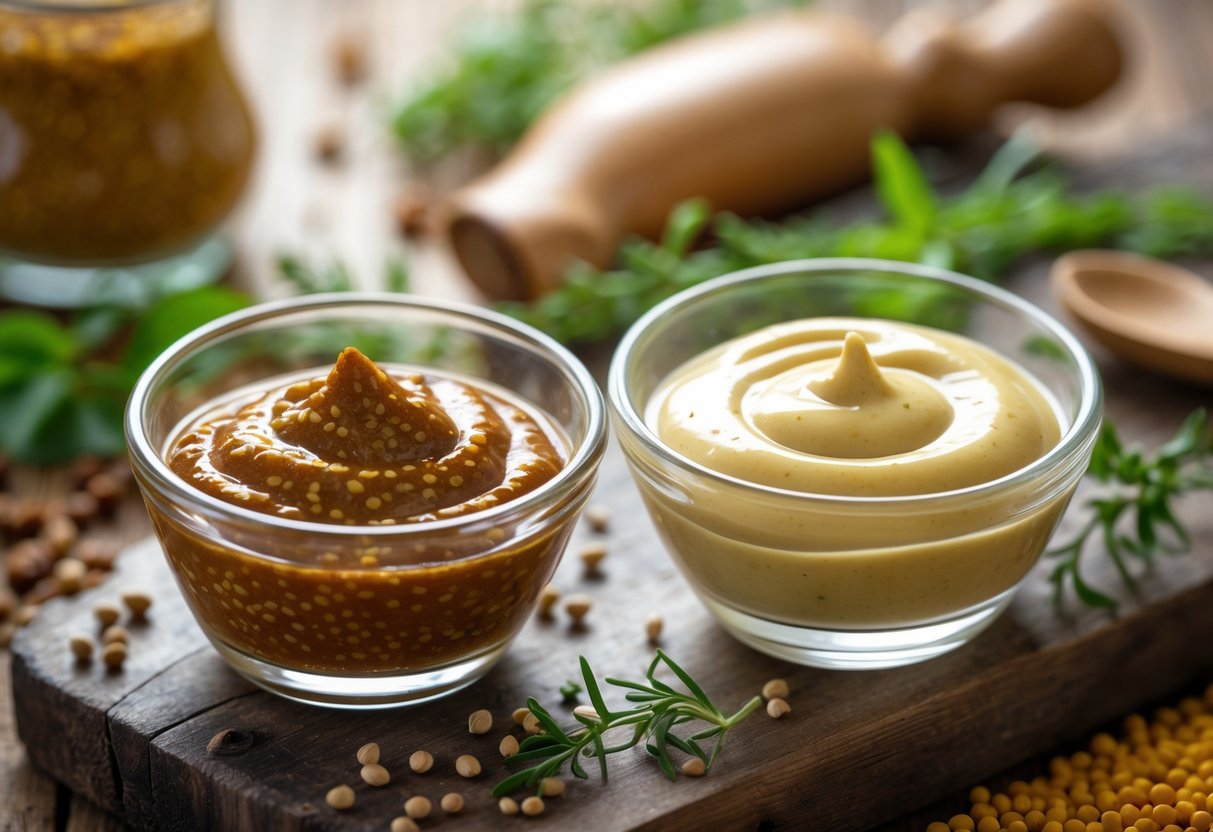
The core difference lies in their ingredients and preparation. Dijon mustard, originating from the city of Dijon in France, is traditionally made with brown or black mustard seeds that have been de-hulled and ground into a fine paste. This process removes the seed’s outer husk, resulting in a remarkably smooth, creamy texture. Its signature heat comes from the liquid used: verjuice (the juice of unripe grapes) or white wine. This gives Dijon a sharp, bright, and slightly sour acidity that feels sophisticated and clean on the tongue.
Must Read
In contrast, spicy brown mustard—often labeled as “deli-style” or “whole grain” (though whole grain is a separate variant)—is a more rustic, American invention. It uses a mix of brown and yellow mustard seeds, but crucially, the seeds are not de-hulled. They are coarsely ground, leaving the dark, fibrous husks intact. This creates a noticeably grainy, textured consistency with visible specks of seed. The liquid base is typically a mix of vinegar, water, and often tumeric for color, plus spices like allspice, cinnamon, and cloves. The result is a heat that is less sharp than Dijon’s, but more rounded, earthy, and pungent, with a lingering warmth that feels more grounded and less acidic.
The practical implications for your cooking are clear. For a recipe that calls for emulsification—like a vinaigrette, a sauce for fish, or a creamy marinade—Dijon is the superior choice. Its smooth texture dissolves effortlessly, blending into a homogenous mixture without leaving gritty bits. Its sharp acidity also helps to brighten heavy sauces. For applications where you want texture and visual interest, such as a spread on a Reuben sandwich, a glaze for pork chops, or a binder for a charcuterie board, spicy brown mustard excels. It provides a robust, earthy flavor that stands up well to hearty meats and cheeses, and its coarse seeds add an appealing crunch and a more complex mouthfeel.
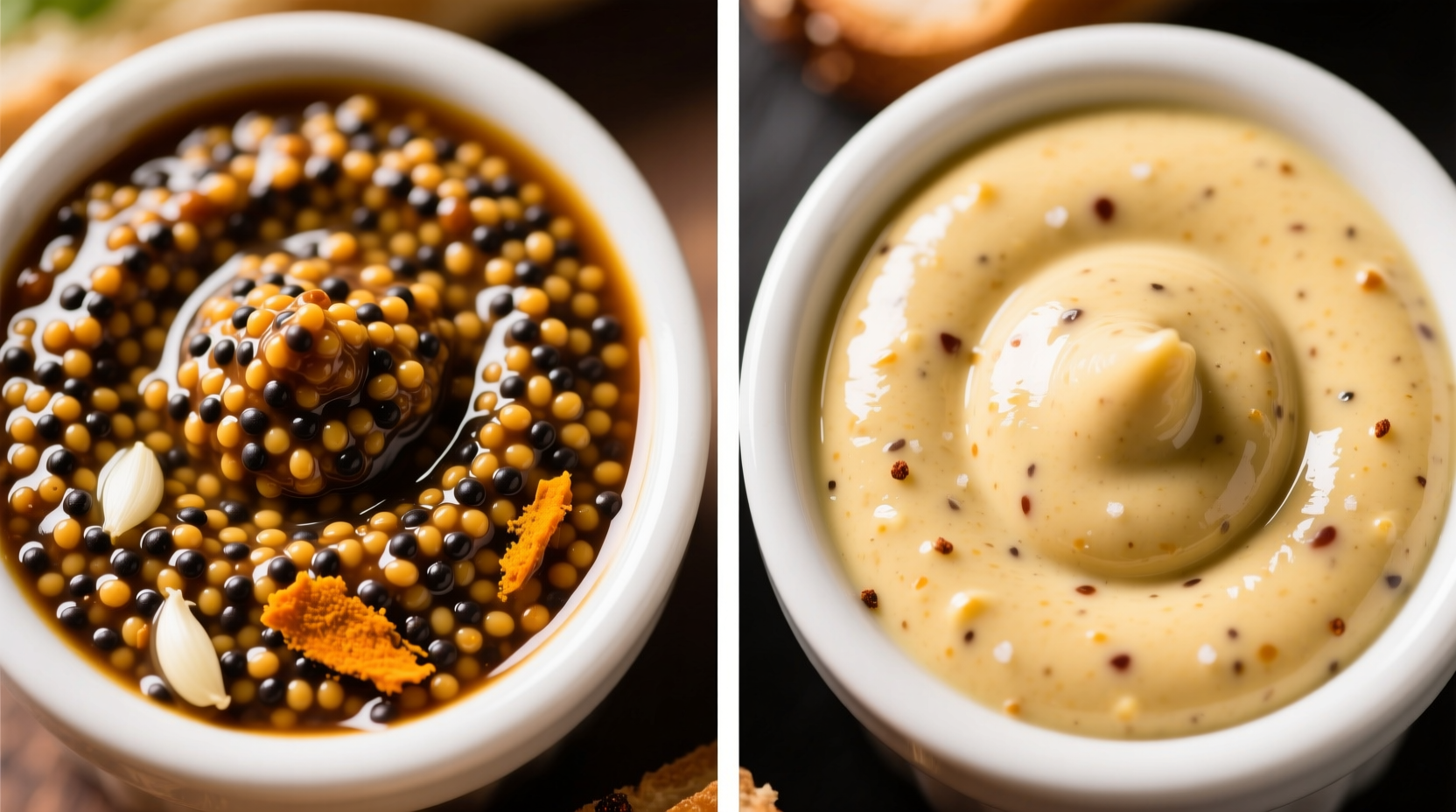 Spicy Brown vs Dijon Mustard: Clear Differences Explained
To explore this distinction in your own kitchen, start with a simple tasting test. Spread a small dab of Dijon on one cracker and a dab of spicy brown on another. Notice how the Dijon’s heat hits the back of your throat with a clean, almost vinegary sharpness, while the spicy brown’s heat clings to the tip and sides of your tongue with a slower, more peppery warmth. Next, try a classic honey-mustard dressing: whisk one tablespoon of Dijon with two tablespoons of honey. Taste it. Then, repeat the experiment using spicy brown mustard. You will immediately notice the spicy brown version is grainier and has a deeper, less tangy sweetness—perfect for a BBQ-style dip, but less elegant on a delicate salad.
A final tip: do not be afraid to substitute one for the other, but do so with intention. If a recipe calls for Dijon and you only have spicy brown, increase the acidity by adding a splash of white wine vinegar or lemon juice to mimic the sharpness. Conversely, if you use Dijon where spicy brown is listed, know that your final dish will be smoother and brighter, but may lack the rustic texture and deep spice. Ultimately, both are exceptional condiments that deserve a place in your fridge. The key is recognizing that while they are cousins in the mustard family, each brings a unique personality to the table—one polished and precise, the other bold and textured—making everyday meals all the more interesting.
