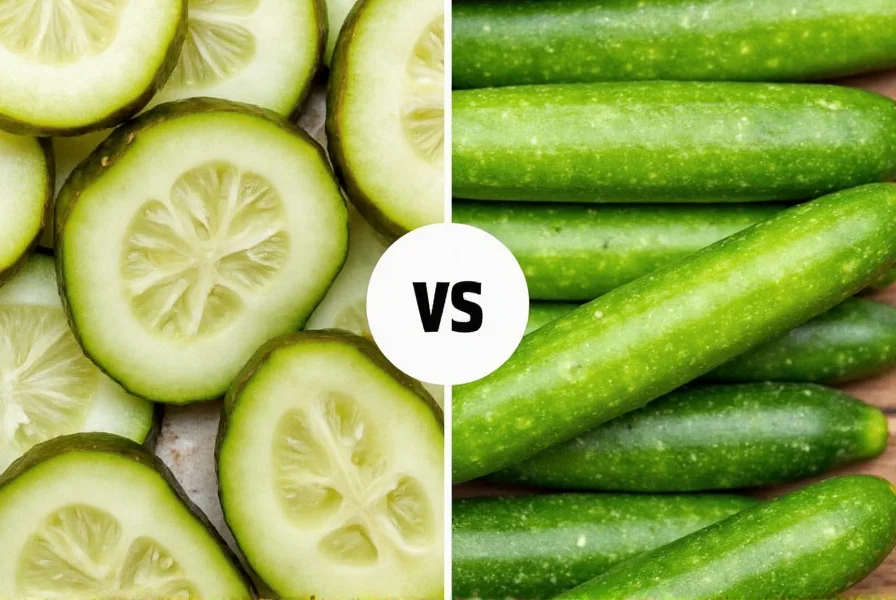
Is Cucumber And Pickle The Same

There is a crisp, satisfying crunch that many of us crave, whether it’s the fresh snap of a green cucumber in a summer salad or the tangy, briny bite of a pickle alongside a s...
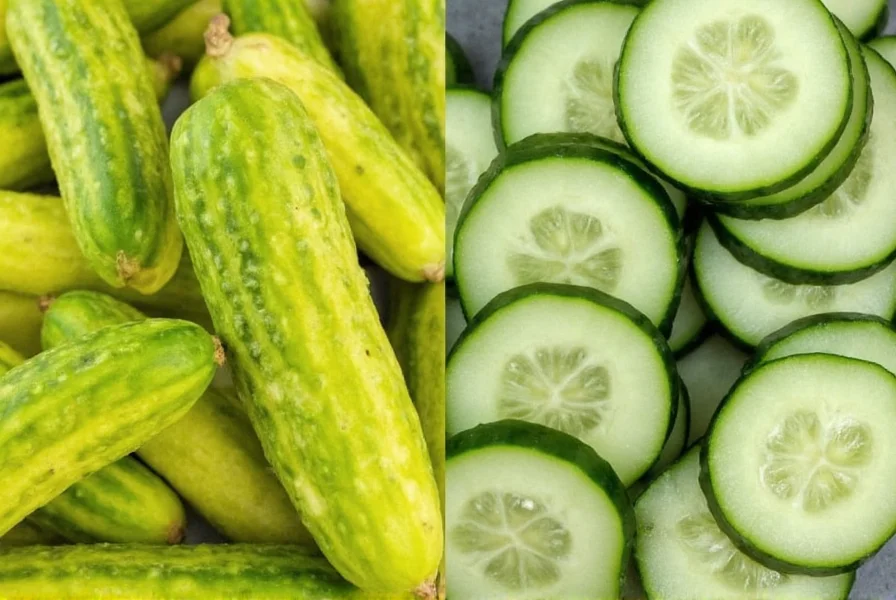
There is a crisp, satisfying crunch that many of us crave, whether it’s the fresh snap of a green cucumber in a summer salad or the tangy, briny bite of a pickle alongside a sandwich. This simple pleasure often leads to a curious question: Are cucumbers and pickles the same thing? Understanding this distinction is not just a matter of culinary trivia; it reveals a fascinating process of transformation that can change a humble vegetable into a shelf-stable, flavor-packed condiment. The key purpose of this article is to clear up the confusion, showing how one becomes the other, and why this knowledge can enrich your daily eating habits and even your appreciation for food preservation.
At its core, the answer is both yes and no. A cucumber is a specific fruit—botanically a berry—known for its mild, watery flesh and refreshing, slightly grassy flavor. A pickle, in the most common sense, is a cucumber that has been preserved through fermentation or brining. However, the term “pickle” can technically refer to any vegetable or fruit that has been pickled, from carrots to onions. When we say “pickle” in everyday conversation, especially in Western cuisine, we almost always mean a pickled cucumber. The critical difference is the process: a fresh cucumber is raw and unaltered, while a pickle has undergone a chemical and microbial transformation.
This transformation is not merely cosmetic; it fundamentally changes the vegetable’s properties. During pickling, cucumbers are submerged in a solution of water, salt, vinegar, and spices. This environment encourages lactic acid bacteria to flourish (in fermented pickles) or simply infuses the cucumber with acidic brine (in quick pickles). The result is a complete shift in texture—from crisp and watery to firm and sometimes softened—and a dramatic flavor profile that is sour, salty, and complex, rather than mild and refreshing. For example, a fresh cucumber slices cleanly and tastes like water with a hint of green, while a dill pickle offers a sharp, tangy punch that awakens the palate.
Must Read
The benefits of understanding this difference go far beyond a trivia game. In everyday life, this knowledge helps you make smarter choices in the kitchen. If you are making a cucumber salad with yogurt and dill, using a pickle would be a disaster—the acidity and salt would overpower the delicate dressing. Conversely, if you are topping a burger or assembling a charcuterie board, a fresh cucumber would lack the necessary acid and crunch to cut through rich flavors. Knowing when to use one over the other can elevate a meal from good to great. Imagine a classic tuna salad: a few chopped pickles add tang and texture, while fresh cucumber would simply water it down.
To explore this on your own, start with a simple experiment. First, buy a high-quality, fresh cucumber and taste it plain, noting its neutrality and clean finish. Then, try a classic dill pickle and notice the layers of flavor—the saltiness, the sourness from vinegar, and the herbaceous notes from dill and garlic. Try comparing a refrigerated “half-sour” pickle (which is fermented for a short time) with a fully fermented sour pickle. The half-sour will retain more of the cucumber’s original snap and taste, while the sour will be more intense. This direct comparison reveals the spectrum of transformation possible.
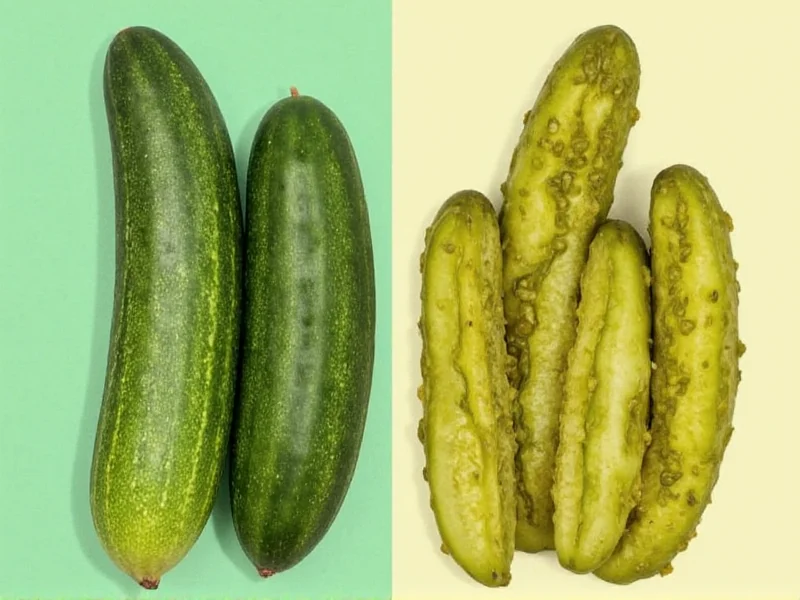 Pickles vs Cucumbers: What's the Real Difference?
Another tip is to try making your own quick pickles at home. It is surprisingly simple and requires no special equipment. Slice a fresh cucumber into rounds, place them in a jar with sliced onion and garlic, and cover them with a mixture of equal parts white vinegar and water, a tablespoon of salt, and a teaspoon of sugar. Let it sit in the refrigerator for just one hour, and you will have a completely different product—tangy, crunchy, and customizable with herbs like thyme or red pepper flakes. This hands-on experience shows you that while they start the same, a cucumber and a pickle are not the same thing; they are two distinct culinary tools, each with its own purpose and pleasure.
In conclusion, the relationship between a cucumber and a pickle is a beautiful example of how a little time and chemistry can turn a simple ingredient into something entirely new. While they share a common origin, they are not the same in taste, texture, or culinary use. Embracing this distinction allows you to appreciate the art of preservation and the joy of contrast in your meals. Whether you are crunching on a fresh cucumber or savoring a tangy pickle, you are experiencing two sides of the same coin—and both are worth celebrating.