Is Crushed Tomatoes The Same As Tomato Puree

Crushed tomatoes and tomato puree are two pantry staples that seem interchangeable, but they really are not. Whether you are simmering a chunky marinara, thickening a silky so...
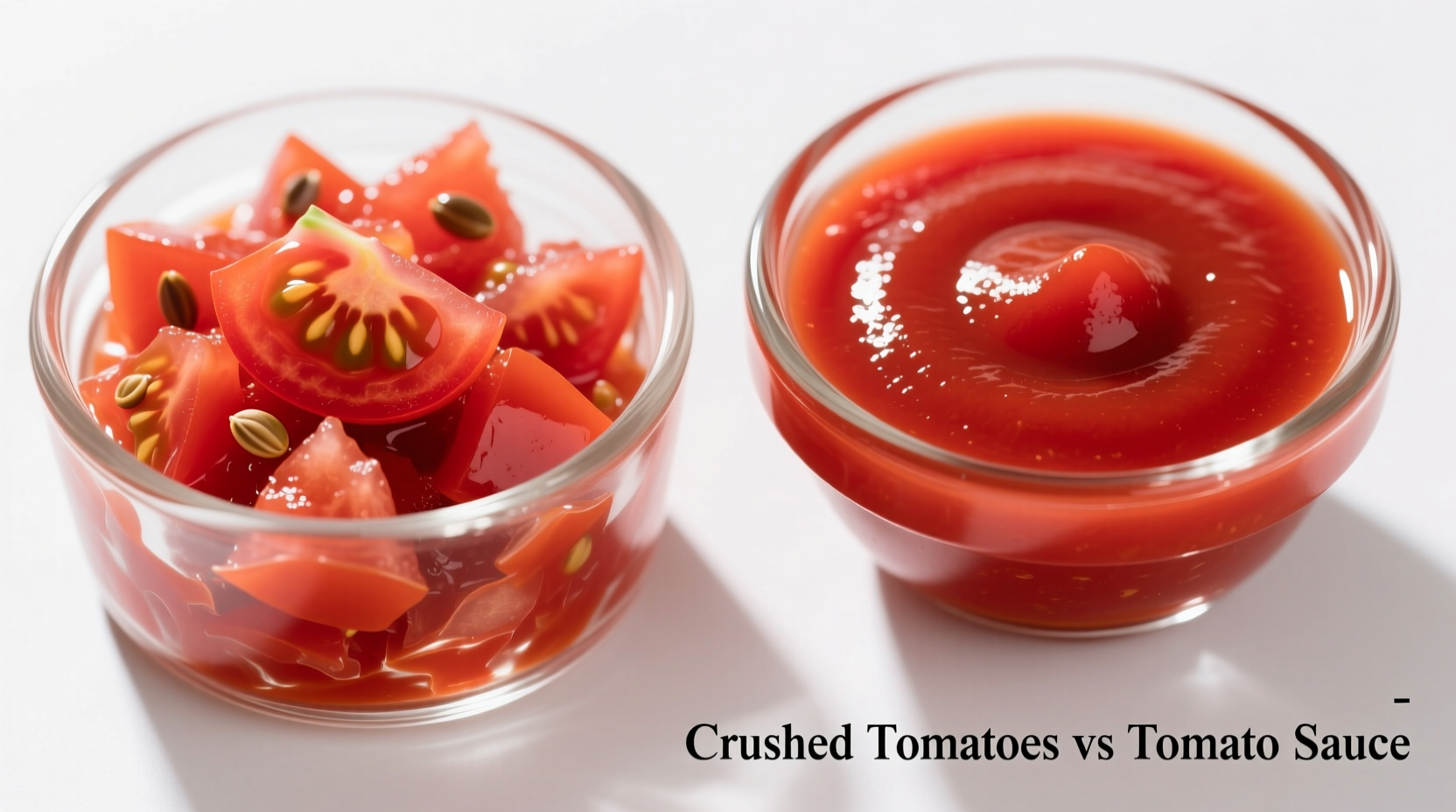
Crushed tomatoes and tomato puree are two pantry staples that seem interchangeable, but they really are not. Whether you are simmering a chunky marinara, thickening a silky soup, or prepping a week’s worth of batch cooking, knowing the difference can transform your dishes from ordinary to delicious. This humble clarification matters because getting it wrong often leads to a dish that is either too watery or too smooth, leaving home cooks and even restaurant chefs frustrated.
So, what exactly separates them? Crushed tomatoes are a coarse product made by lightly breaking down whole peeled tomatoes, leaving behind noticeable pieces, chunks, and even some subtle skin fragments. They retain a rustic texture and a fresh, slightly sweet tomato flavor. On the other hand, tomato puree is the result of blending tomatoes until they reach a completely smooth, thick consistency with no chunks whatsoever. In short, the main distinction is texture rather than taste, though the mouthfeel you get with each is dramatically different.
Why does this matter for everyday families? When it comes to cooking, texture directly affects the final outcome of a recipe. Imagine making a chunky beef chili on a cold winter evening. If you accidentally use tomato puree instead of crushed tomatoes, you lose that hearty, textured bite that makes chili feel substantial and comforting. Conversely, if you want a velvety bisque or a smooth pasta sauce and grab crushed tomatoes by mistake, you end up with an unwanted grit. Picking the right product is a small detail that has a big impact on satisfaction at the dinner table.
Must Read
Think about a few real-life examples. In Italian cuisine, crushed tomatoes are the backbone of a traditional pomodoro sauce where you want to actually see and feel pieces of tomato alongside your pasta. Tomato puree, by contrast, is often used as a base for curry dishes or as a quick thickener in stews where you need body without any lumps. Even something as simple as a homemade pizza sauce benefits from crushed tomatoes for that fresh, slightly chunky spread, while a smooth ranch baked bean recipe might lean heavily on puree to coat every bean evenly.
For families juggling busy schedules, practical tips can make all the difference. First, always read the label carefully — some brands market crushed tomatoes and puree very similarly, so check the ingredient list and the described texture. Second, consider your dish type before you open the can: go with crushed tomatoes for anything rustic, chunky, or hearty, and reach for puree when smoothness and thickness are the priority. A helpful trick is to keep both on hand, as they are inexpensive, shelf-stable, and incredibly versatile. You can even repurpose leftover crushed tomatoes by blending them into a quick puree with an immersion blender if you are short on the other.
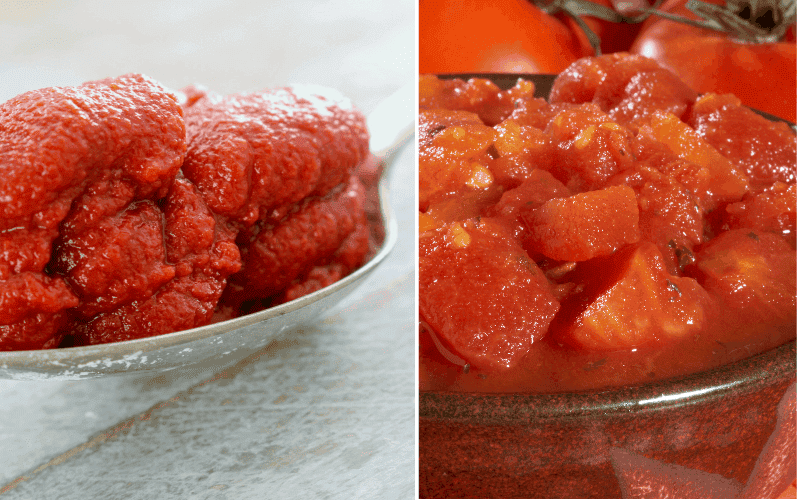 Tomato Puree Vs Crushed Tomatoes
Another great piece of advice is to experiment while cooking. Try swapping one for the other in your favorite recipe and note the difference — you will be surprised how differently the same dish can taste and feel. This kind of kitchen curiosity builds confidence and gives you intuitive knowledge for future meals. Whether you are a college student learning to cook for the first time or a seasoned home chef, understanding this simple distinction helps you make smarter, easier choices every time you step into the kitchen.
At the end of the day, crushed tomatoes and tomato puree each serve their own important role in cooking. Knowing when to use one over the other empowers you to create meals with the right texture, flavor, and consistency every single time. So the next time you reach for a tomato product, pause for a moment, consider your dish, and choose wisely. With just that one small awareness, every bowl of sauce, every simmering pot of soup, and every family meal becomes a little bit better. Happy cooking!


