Is Crushed Tomato The Same As Tomato Puree

There is something deeply satisfying about building a rich, homemade pasta sauce or a hearty stew. The aroma of garlic sizzling in olive oil, the gentle simmer of tomatoes on...
There is something deeply satisfying about building a rich, homemade pasta sauce or a hearty stew. The aroma of garlic sizzling in olive oil, the gentle simmer of tomatoes on the stove—these are the sounds and smells of comfort. At the heart of so many cherished dishes lies a simple, versatile ingredient: processed tomatoes. But standing in the grocery aisle, you’ve likely faced a moment of confusion. Two cans sit side by side: one labeled crushed tomatoes, the other tomato puree. Are they the same? The short answer is no, and understanding the difference can transform your cooking from good to exceptional.
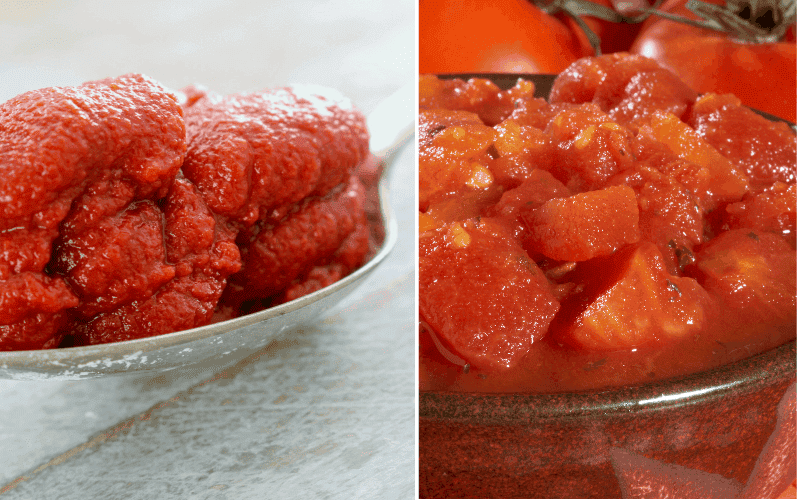
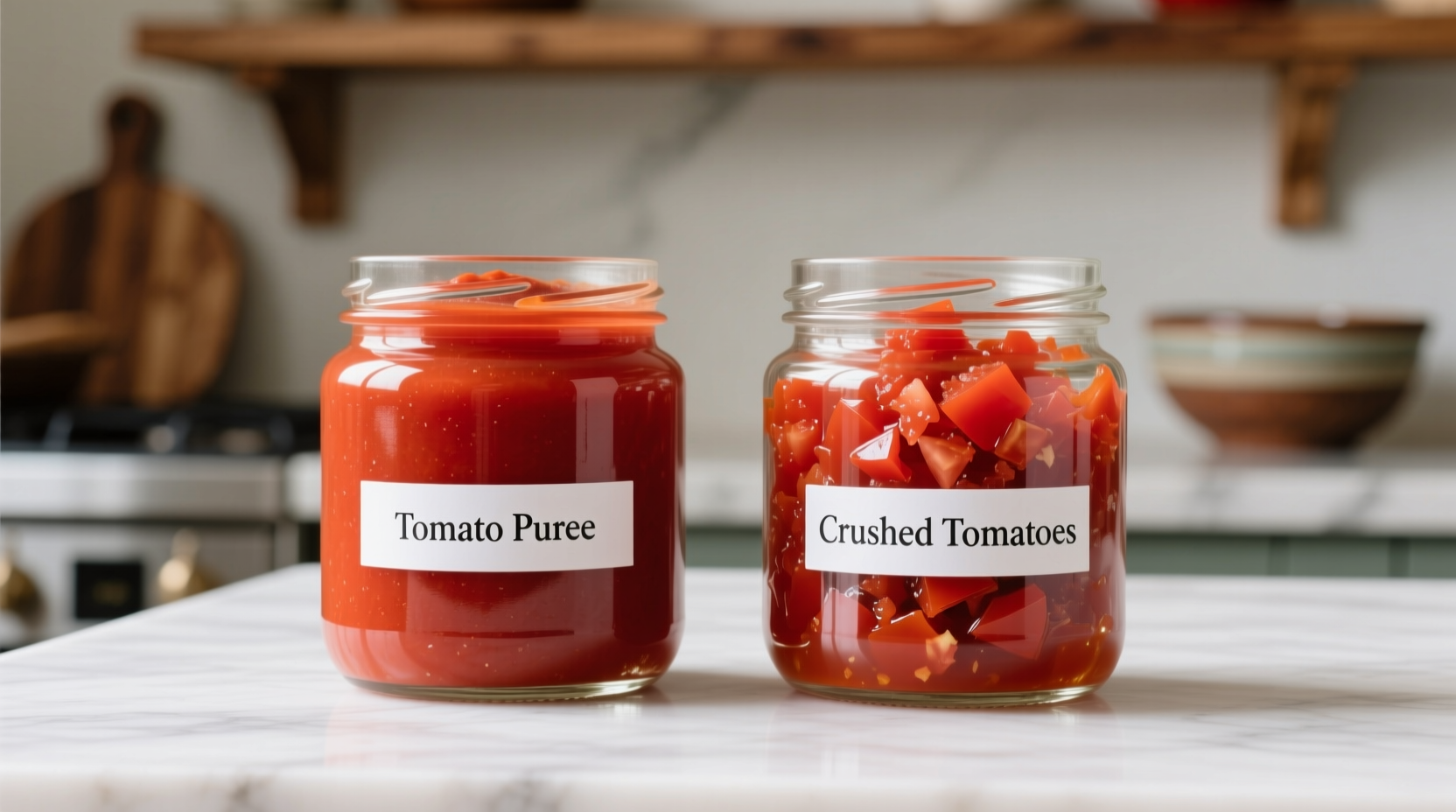
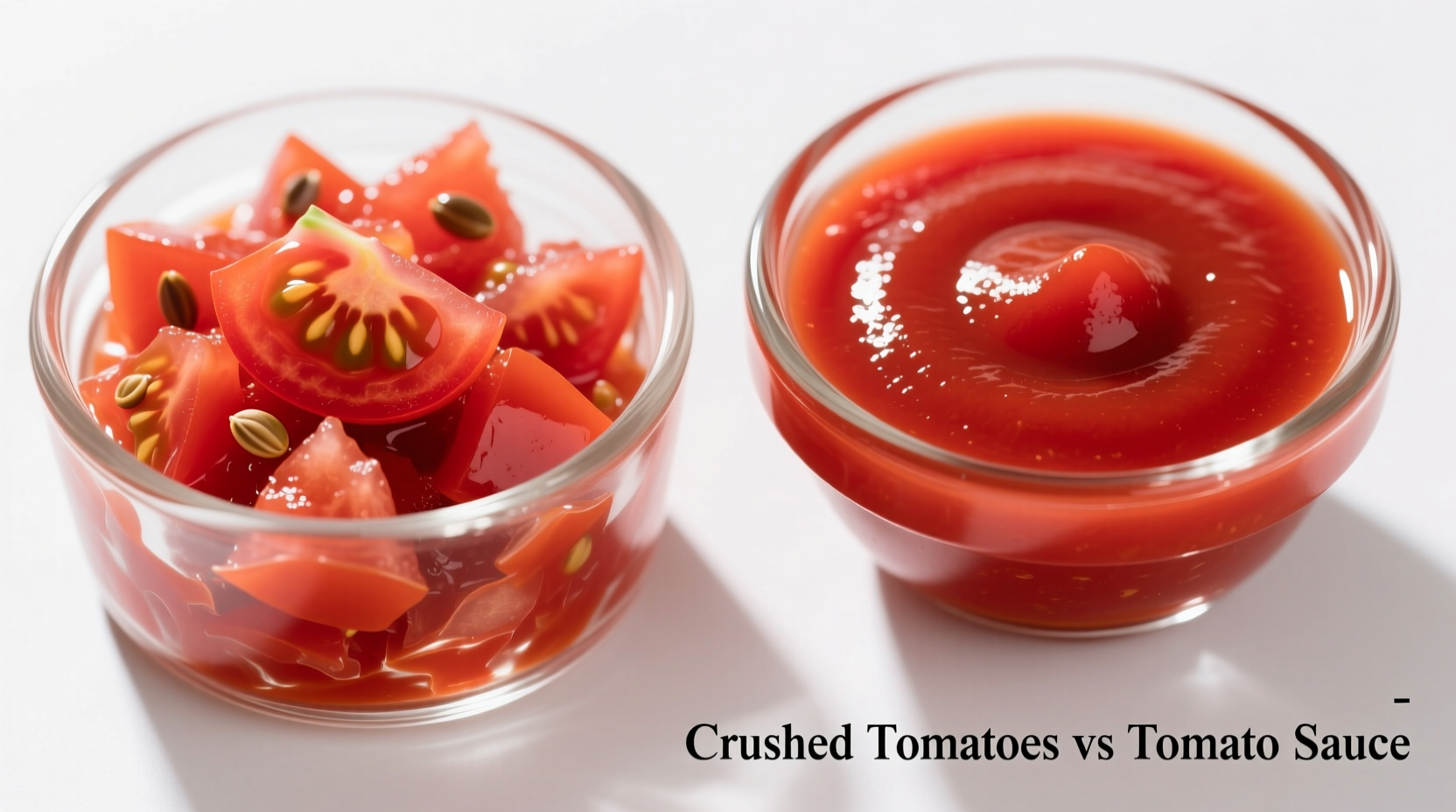
The key purpose of both products is to provide a concentrated, smooth base for sauces, soups, and braises, saving you the time of peeling and seeding fresh tomatoes. Yet their differences are fundamental. Crushed tomatoes are exactly what they sound like: whole, peeled tomatoes that have been crushed into a chunky, textured mixture. They typically contain small pieces of tomato flesh and seeds, offering a rustic, hearty consistency. In contrast, tomato puree is a cooked, strained product where all seeds and skins have been removed, resulting in a completely smooth, thick liquid. It has a deeper, more concentrated flavor because it is often cooked down to reduce water content.
This distinction matters immensely in everyday cooking. Imagine you are making a quick, chunky marinara for a weeknight pasta dinner. Using crushed tomatoes is your ideal choice. Their coarse texture will break down as they cook, but they will still leave you with a pleasing, slightly rustic sauce that clings beautifully to spaghetti or rigatoni. Now picture a different scenario: you are preparing a delicate, silky cream of tomato soup or a refined bisque. If you used crushed tomatoes, you would end up with little seeds and fibrous bits floating in your bowl, ruining the smooth mouthfeel. Here, tomato puree is non-negotiable. Its silkiness allows the soup to feel luxurious and cohesive, creating a uniform texture that is a hallmark of a well-made dish.
Must Read
The benefits of having both in your pantry extend beyond texture—they affect flavor and cooking time. Because tomato puree is concentrated, it brings a rich, sweet-tart depth to dishes without the need for long simmering. This makes it a perfect shortcut for thickening a stew or adding a punch of tomato flavor to a chili or a braise. Crushed tomatoes, on the other hand, are a wonderful starting point for a sauce that will simmer for an hour or more. They release their juices slowly, allowing flavors to meld and develop a fresh, bright taste. For a practical example: if you are making a slow-cooked Bolognese, start with crushed tomatoes for body; but if you are mixing a quick barbecue sauce, use puree for a concentrated, smooth base that glazes meat evenly.
To explore this distinction on your own, start with a simple side-by-side test. Take a saucepan and heat a tablespoon of olive oil. In one pan, add half a cup of crushed tomatoes and a pinch of salt. In another, do the same with tomato puree. Simmer both for ten minutes. Taste them. Notice how the crushed tomatoes retain a brighter, more "raw" tomato flavor, while the puree tastes cooked, deeper, and almost caramelized. This simple exercise will immediately show you why professional chefs treat them as distinct tools, not interchangeable ingredients.
 Tomato Puree vs Crushed Tomatoes: Key Differences Explained
Another practical tip is to read the labels carefully. In many countries, tomato puree is sometimes called “passata” or “strained tomatoes.” In the United States, puree often has a thicker consistency and a lower moisture content than crushed tomatoes. For the best results, never substitute one for the other without adjusting the final texture. If a recipe calls for puree and you only have crushed tomatoes, you can puree them in a blender and strain out the seeds, but be aware the flavor will be less concentrated. Conversely, if you only have puree for a chunky sauce, stir in some chopped fresh or canned whole tomatoes to restore that desirable texture.
Ultimately, crushed tomatoes and tomato puree are not the same, and embracing their differences is a simple way to elevate your everyday cooking. By choosing the right product for the right purpose, you give your dishes the exact body, flavor, and consistency they need. Whether you are crafting a rustic family supper or a sophisticated dinner for guests, this knowledge turns a humble can into a powerful ally. So next time you reach for that can, think about the dish you want to create—chunky or smooth, bright or deep—and let the tomato guide you to perfection.