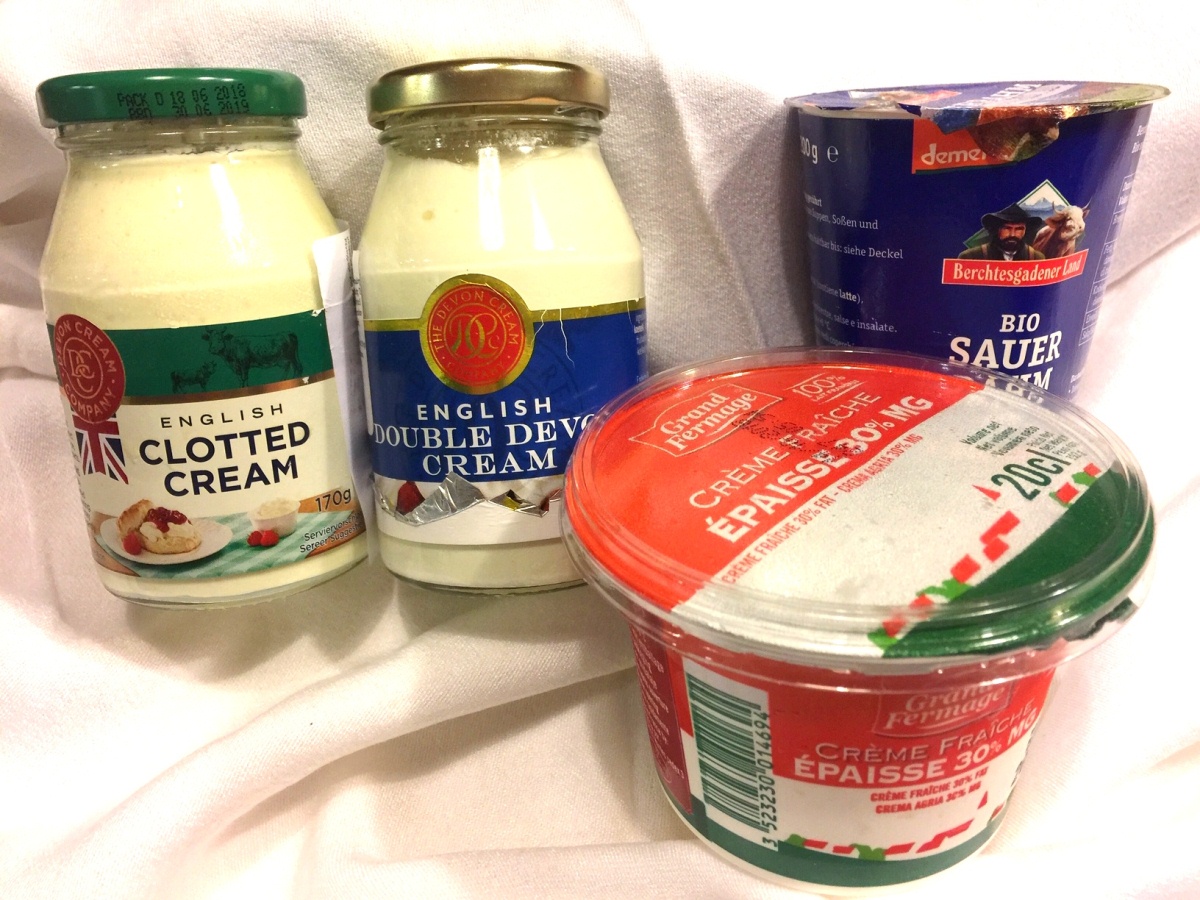
Is Creme Fraiche The Same As Double Cream

For anyone who loves to cook, there is a quiet, profound joy in transforming simple ingredients into something luxurious. Few things accomplish this as effortlessly as a swirl...
For anyone who loves to cook, there is a quiet, profound joy in transforming simple ingredients into something luxurious. Few things accomplish this as effortlessly as a swirl of rich, velvety cream. Whether it’s enriching a pasta sauce, adding a silky finish to a soup, or crowning a fresh bowl of berries, cream is a cornerstone of comfort and indulgence. It bridges the gap between the everyday and the extraordinary, turning a weeknight dinner into a moment of pure satisfaction. However, this simple pleasure comes with a choice—and sometimes, a confusion—between two popular options: crème fraîche and double cream. Understanding their differences is key to unlocking their full potential in your kitchen.
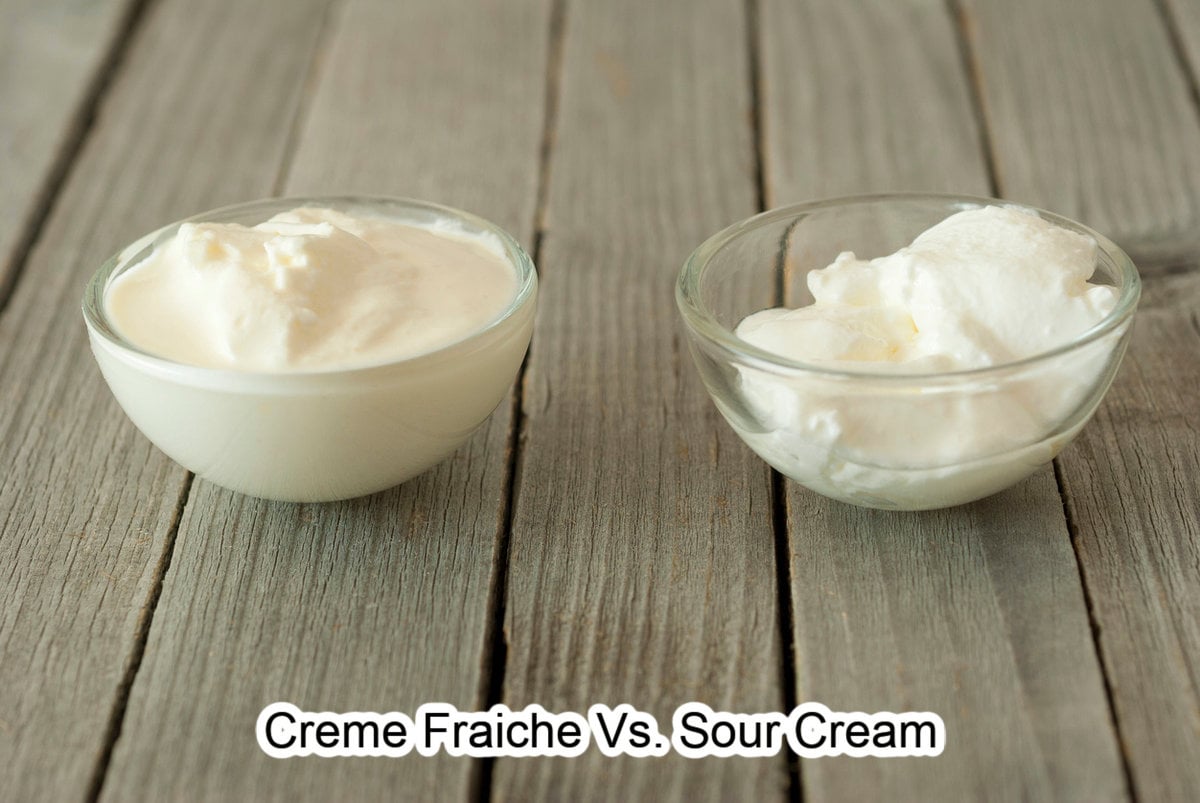
The short answer is no, crème fraîche and double cream are not the same. Their primary difference lies in their composition and processing. Double cream is the high-fat, liquid portion of milk that has been skimmed off and pasteurized. It typically contains around 48% butterfat, making it incredibly thick and rich, but it is a fresh product. Crème fraîche, on the other hand, is a cultured cream. It starts with a similar high-fat base, but then specific bacterial cultures are added, which ferment the cream. This fermentation process gives crème fraîche its characteristic tangy, slightly nutty flavor and a much thicker, almost spoonable consistency that holds its shape even when warm.
The practical implications for your everyday life are significant. Consider the scenario of making a creamy mushroom sauce for steak or pasta. If you use double cream, you must be careful to simmer it gently, not boil it hard. Because double cream lacks the stabilizing cultures, high heat can cause it to curdle or separate, resulting in a grainy, unappealing sauce. However, its neutral, sweet flavor is perfect for desserts like whipped cream on a pie or a light mousse. In contrast, crème fraîche is your hero for cooking. Its cultured nature makes it remarkably heat-stable; you can add it to a simmering sauce or even stir it into a hot soup without fear of curdling. Its slight tang also adds a complex, savory depth that double cream cannot match, making it ideal for enriching a tomato bisque, a braised chicken dish, or even baked potatoes.
Must Read
The benefits extend far beyond just avoiding curdled sauce. Crème fraîche offers a unique versatility that saves time and reduces stress in the kitchen. Imagine you are hosting a dinner party. You can make a sauce with crème fraîche, let it simmer on the back burner, and know it will remain beautifully smooth. You can dollop a generous spoonful onto a bowl of spicy chili or a plate of smoked salmon blinis, where it will sit undisturbed rather than pooling. Double cream, however, is unparalleled for another purpose: whipping. For a tall, airy pavlova or a classic English trifle, double cream whisks into voluminous, stable peaks with a clean, sweet taste that is the standard for traditional desserts. Understanding this distinction means you can choose the right tool for the job, guaranteeing better results with less effort.
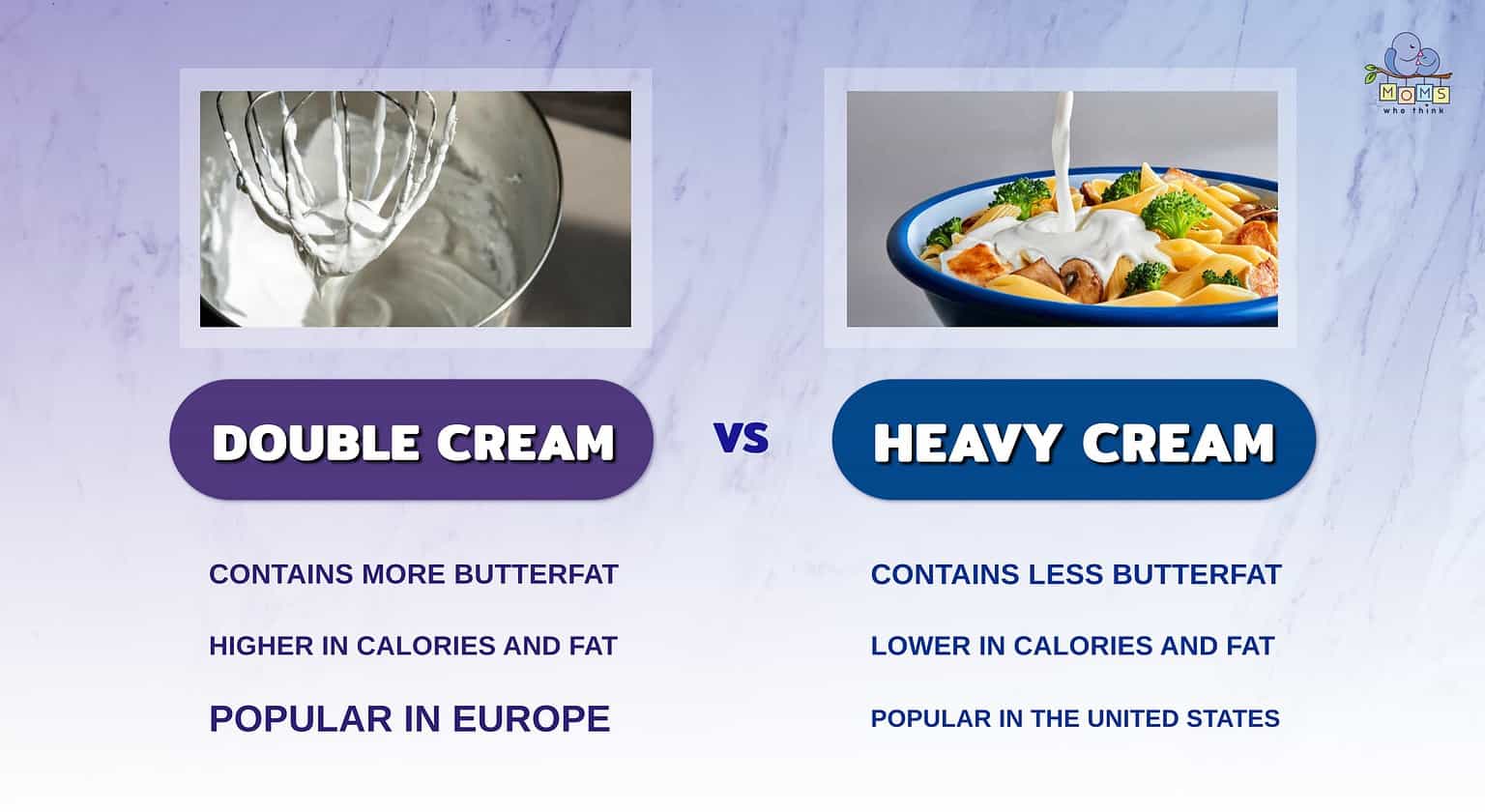 Double Cream vs. Heavy Cream: Differences (Calories, Cooking, Nutrition
To explore these ingredients in your own cooking, start with two simple, high-impact experiments. First, try replacing double cream with crème fraîche in a creamy pasta dish, like a carbonara or a sauce for penne. Notice how the sauce becomes rich and tangy, cutting through the fattiness of the cheese and bacon. Pro tip: Stir it in off the heat to preserve its texture and tang. Second, use double cream to make a quick, no-fuss dessert. Pour cold double cream into a chilled bowl, add a touch of vanilla and sugar, and whip until soft peaks form. Serve it with fresh seasonal fruit. Observe the clean, sweet flavor and the light, airy texture that contrasts so beautifully with the fruit’s acidity. These small tests will build your intuition for when to reach for each one.
A final, valuable tip for everyday life involves storage and longevity. Double cream is a fresh dairy product and, once opened, should be used within a few days. Crème fraîche, however, has a longer shelf life because the fermentation process naturally preserves it. This makes it a brilliant fridge staple for busy cooks. Always check the expiration date, but once opened, a tub of crème fraîche can often last a week or more, ready to be whipped out to thicken a gravy, freshen a dip, or rescue a dish that needs a touch of creamy tang. Double cream is best used quickly, ideally the same day you buy it for optimal freshness and ability to whip. By keeping both in your kitchen, you are prepared for every culinary situation, from an impromptu dessert to a deeply satisfying savory meal.