Is Cranberry Sauce Served Warm Or Cold

Cranberry sauce is one of those iconic condiments that graces dinner tables during the holidays and beyond, and it sparks a surprisingly passionate debate: warm or cold? Wheth...

Cranberry sauce is one of those iconic condiments that graces dinner tables during the holidays and beyond, and it sparks a surprisingly passionate debate: warm or cold? Whether you grew up with a can-shaped cylinder on the plate or a homemade version simmering on the stove, cranberry sauce brings people together at every gathering. It's a simple, tangy-sweet companion that pairs beautifully with turkey, ham, sandwiches, and even breakfast bowls. Understanding where and when to serve it can elevate your meal and impress your guests.
First, let's talk about serving it cold. Most store-bought cranberry sauces and anything refrigerated are enjoyed straight from the fridge. Cold cranberry sauce maintains its firm texture, gives a refreshing contrast to hot dishes, and is incredibly easy to portion out. Many families prefer the classic canned variety chilled because it holds its shape when sliced. If you're making it ahead of time, cold is the easiest route. Just pop it in the refrigerator, and it's ready to go when dinner starts.
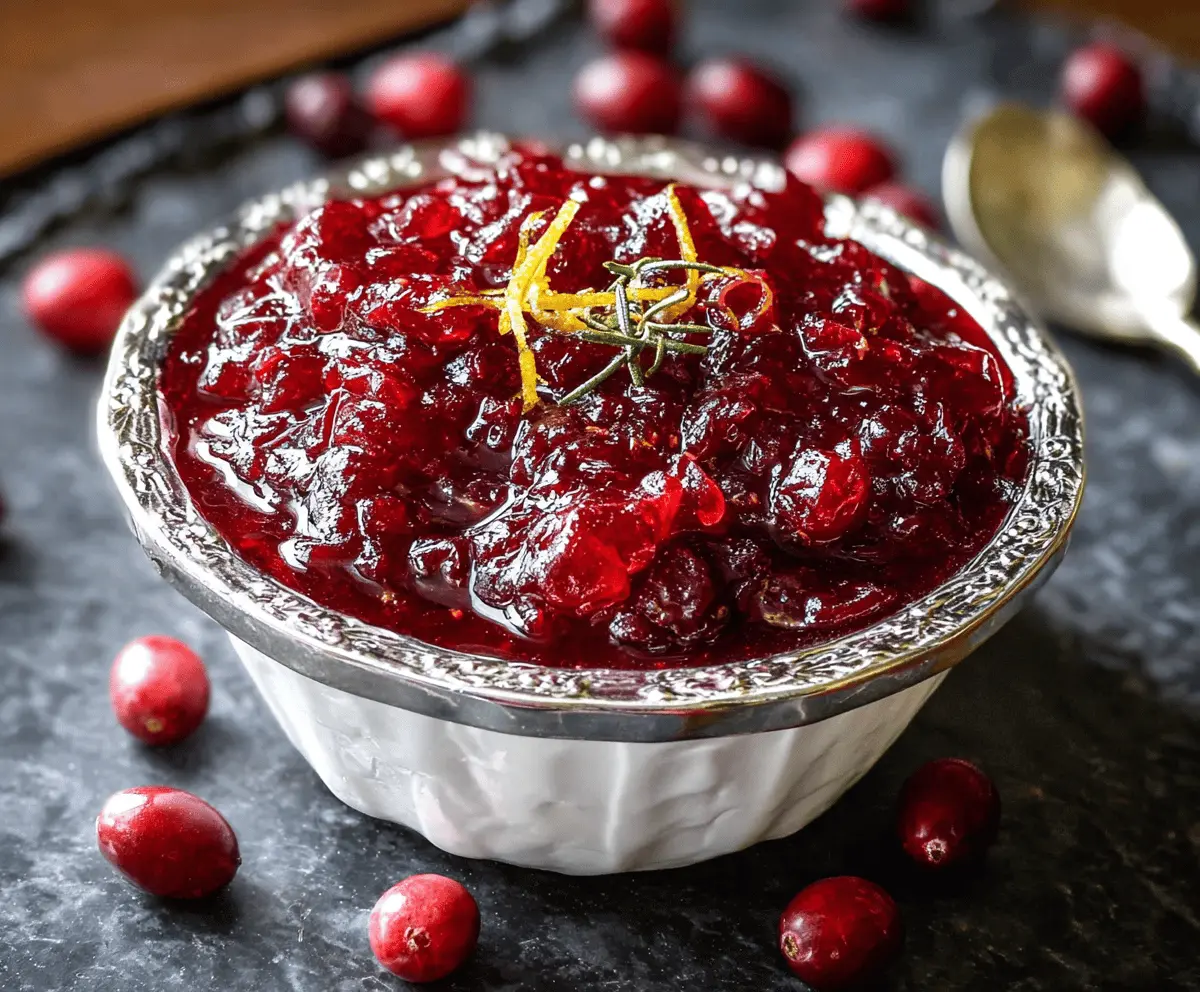
Now, serving cranberry sauce warm is equally popular, especially for homemade versions. A warm, freshly simmered sauce fills the kitchen with a wonderful aroma of spices and fruit. When it's warm, the flavors blend more intensely, and it acts almost like a gravy, flowing over mashed potatoes and roasted meats. Many cooks like to infuse their sauce with orange zest, cinnamon, or a splash of cherry brandy, then serve it in a small bowl alongside the main courses. It feels comforting and festive.
Must Read
Real-life examples show how versatile this is. Consider a family Thanksgiving dinner where Grandma's homemade cranberry sauce sits steaming in a crockpot, while a chilled can sits on the counter for the younger guests who prefer the traditional texture. Or picture a casual Sunday brunch where cold cranberry sauce is spread thick on toast next to eggs and bacon. Some BBQ enthusiasts have even been spotted using cranberry sauce as a glaze base, heating it with brown sugar and mustard for a pulled pork topping. These practical uses make cranberry sauce a year-round staple, not just a holiday afterthought.
Here are some practical tips to help you decide. If your homemade sauce has been in the fridge, gently rewarm it over low heat, stirring occasionally, until it reaches the temperature you like. If it's from a can, you can warm it in the microwave for 30-second intervals. For those who enjoy variety, I recommend serving two options — one bowl warm and one dish cold — so everyone at the table is satisfied. It's a small effort that makes a big difference in how welcoming your spread feels.
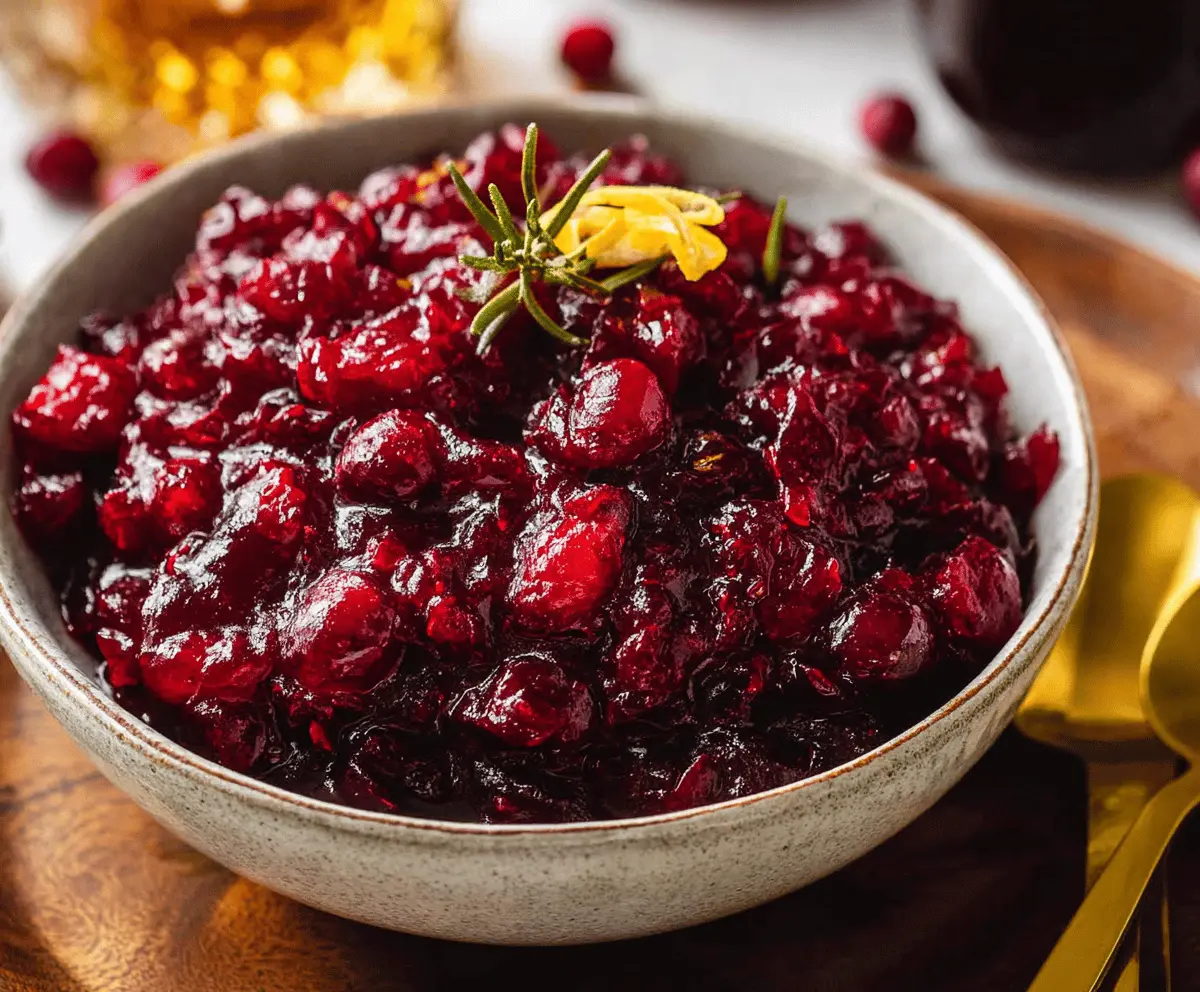 Delicious Bourbon Cranberry Sauce Recipe
Ultimately, there's no wrong answer to the warm-versus-cold question. It comes down to personal taste, the dish it accompanies, and the occasion. Cold suits quick meals and sandwiches, while warm shines at larger, more elaborate dinners. The beauty of cranberry sauce lies in its flexibility — it adapts to whatever your family loves most. So next time you're planning a meal, don't overthink it. Just pick the temperature that feels right, pour a generous helping onto every plate, and enjoy the rich, tart-sweet magic it brings to the table.
Whether you lean toward warm or cold, cranberry sauce remains a beloved fixture that brings comfort, flavor, and a touch of celebration to everyday dining. It's proof that sometimes the simplest condiments carry the most meaning. Embrace both styles, share it with loved ones, and let this timeless classic keep delighting your taste buds season after season.