Is Cranberry Juice More Acidic Than Orange Juice

You’ve probably stood in the juice aisle, scratching your head over which tart sip is actually tougher on your teeth. Cranberry juice vs. orange juice — it’s a classic brunch...
You’ve probably stood in the juice aisle, scratching your head over which tart sip is actually tougher on your teeth. Cranberry juice vs. orange juice — it’s a classic brunch debate, and the answer matters more than you think. Sure, both are beloved for their zesty kick, but their acidity levels can make a real difference in your daily health. Understanding this isn’t just for science nerds; it’s for anyone who wants to keep their enamel strong, their gut happy, and their taste buds thrilled.
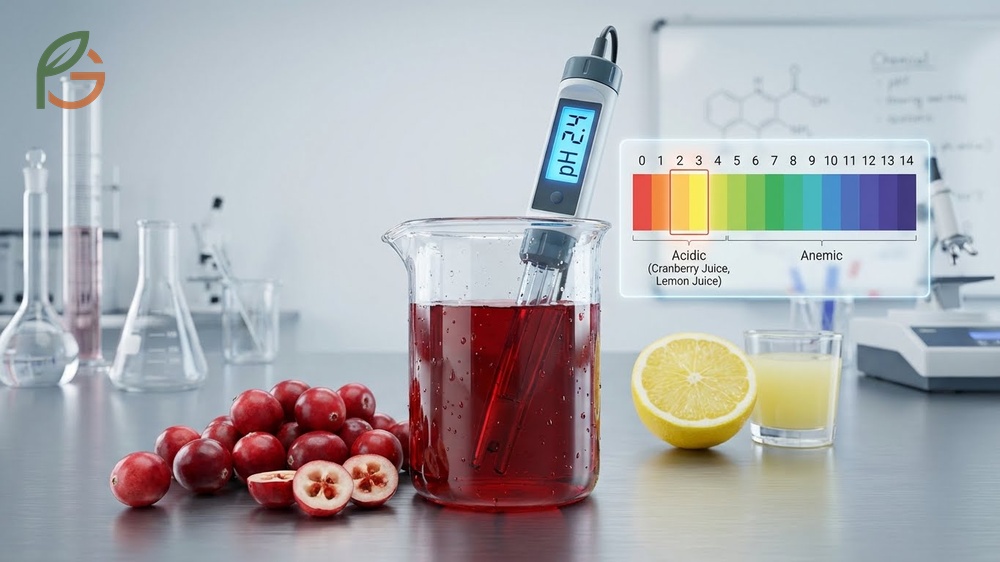
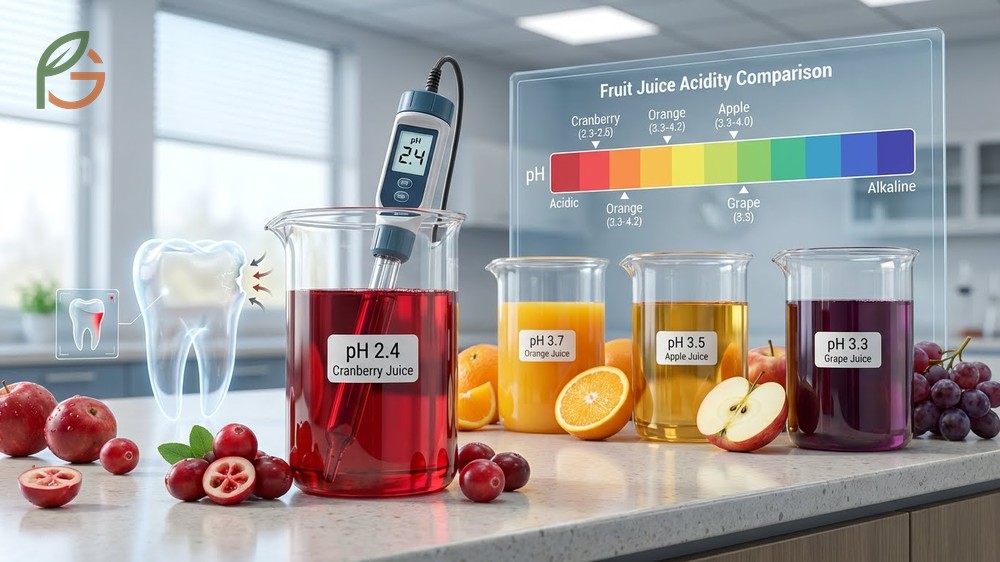
Let’s cut to the chase: cranberry juice is typically more acidic than orange juice, with a pH hovering around 2.3 to 2.5, while orange juice sits closer to 3.3 to 4.0. That’s a big gap, and it matters because your mouth and stomach feel the burn. For families, this means watching kids who sip cranberry cocktails all day—they’re more at risk for acid erosion. At community potlucks, people often reach for these juices as mixers or mocktail bases, unaware that the cranberry version can trigger heartburn faster than OJ. A neighbor of mine learned this the hard way after serving a cranberry punch at a BBQ; three guests complained about sensitive teeth the next morning.
Why should you care? Because acidity directly impacts your dental health, digestion, and even medication absorption. For individuals, consistently choosing high-acid drinks like cranberry juice could weaken enamel over time, leading to pricey dentist visits. For families, it’s about balancing that tart goodness with water or a straw to minimize contact with teeth. In communities, think of older adults who take blood thinners—cranberry juice can interact with medications like warfarin, while orange juice’s vitamin C boosts immunity. Knowledge here isn’t just trivia; it’s a tool for better daily choices.
Must Read
Real-life examples are everywhere. Picture a busy mom packing lunches—she might swap cranberry juice boxes for orange juice to avoid her son’s reflux acting up in class. Or consider a fitness enthusiast who uses cranberry juice as a post-workout recovery drink; they often add a splash of water or baking soda to neutralize acid. At brunch, you’ll see folks topping off mimosas with orange juice, not cranberry, because the former’s lower acidity pairs better with bubbly. These small swaps reveal how acidity influences our routines.
Here’s how to apply this knowledge easily. First, always drink high-acid juices through a straw to bypass your teeth—saves enamel, big time. Second, dilute cranberry juice with water or seltzer (a 1:3 ratio works wonders) to dial down the burn without losing flavor. Third, rinse your mouth with plain water after sipping, then wait 30 minutes before brushing to avoid scrubbing acid into enamel. For families, serve these juices alongside meals, not alone, so saliva buffers the acid. And if you’re choosing between them for a morning boost, orange juice is often gentler on an empty stomach—cranberry might trigger heartburn instead of energy.
 Compare Vitamin C in Orange juice to Vitamin C in Cranberries
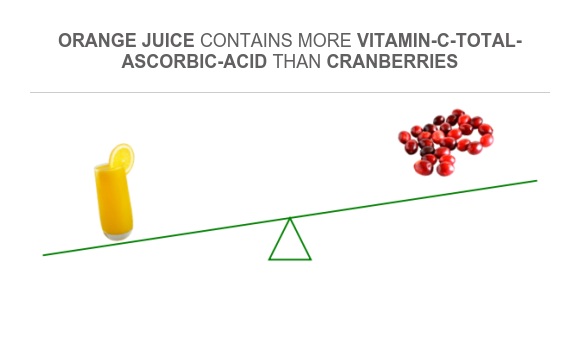
Don’t let acidity scare you off, though. Cranberry juice is a powerhouse for urinary tract health, packed with antioxidants that fight inflammation, while orange juice delivers a vitamin C punch that brightens skin and immunity. The trick is to enjoy them smartly, not fearfully. For example, I now mix a splash of cranberry juice into my orange juice for a tangy, lower-acid blend—it’s a game-changer for my morning routine. At weekend brunches, my family serves both but labels the carafe with “Sip Slow” for the cranberry one, making it a fun, mindful habit.
In the end, whether you reach for the deep red or the sunny orange, balance is your best friend. Cranberry juice may be more acidic, but that doesn’t make it the villain—it just asks for a little respect. For individuals, it’s a tool for kidney health; for families, a chance to teach kids about acids and bases; for communities, a reminder that smart choices keep everyone smiling. So next time you’re at the store, grab your favorite, add a straw, and sip with confidence. Your teeth, your gut, and your taste buds will thank you.