Is Cranberry Good For Kidney Disease

Cranberries are a beloved staple in many households, often enjoyed as a tangy juice, a dried snack, or a festive sauce. Their sharp, refreshing flavor makes them a favorite ad...

Cranberries are a beloved staple in many households, often enjoyed as a tangy juice, a dried snack, or a festive sauce. Their sharp, refreshing flavor makes them a favorite addition to meals and beverages, but their real value extends far beyond taste. For centuries, people have turned to cranberries for their remarkable health properties, particularly their ability to support the urinary tract. However, if you or a loved one is managing kidney disease, the question of whether cranberries are beneficial—or potentially harmful—requires careful consideration.
The primary reason cranberries are so cherished is their high concentration of proanthocyanidins, compounds that prevent bacteria from adhering to the walls of the urinary tract. This mechanism is a powerful tool for reducing the risk of urinary tract infections (UTIs), which are especially common and dangerous for individuals with compromised kidney function. For someone with kidney disease, a simple UTI can escalate into a serious infection leading to further kidney damage. In this context, cranberries offer a natural, non-antibiotic approach to keeping the urinary system quiet and healthy, which is a critical everyday benefit for those watching their kidney health.
Yet, the story does not stop at infection prevention. For people with chronic kidney disease (CKD), managing inflammation and oxidative stress is a daily battle. Cranberries are packed with antioxidants, such as vitamin C and flavonoids, which help neutralize harmful free radicals. Imagine your kidneys as delicate filters straining toxins from your blood; over time, inflammation can clog and damage these filters. By incorporating cranberries into a diet—with caution—you provide those filters with a gentle, anti-inflammatory rinse. This can translate to better overall kidney function over the long term, making cranberries a valuable, though not guaranteed, part of a kidney-friendly lifestyle.
Must Read
However, it is crucial to acknowledge the risks that come with cranberries for kidney patients. The most significant concern is their high oxalate and potassium content. In large amounts, oxalates can bind with calcium and form kidney stones, a painful condition that can worsen existing kidney disease. Additionally, many store-bought cranberry juices are loaded with added sugar and high in potassium, which must be strictly limited in advanced CKD. For example, a person on dialysis cannot afford a spike in potassium levels, which can disrupt heart rhythm. Therefore, while a small serving of unsweetened cranberry juice may be fine for early-stage kidney disease, it could be dangerous for someone in later stages.
To navigate this balance, consider a simple scenario: A woman with stage 2 kidney disease wants to prevent recurrent UTIs. She can safely enjoy one small glass (about 4 ounces) of unsweetened cranberry juice daily, or a handful of dried cranberries (without added sugar) in her oatmeal. The key is portion control. In contrast, a man with stage 4 CKD should avoid concentrated cranberry products entirely and instead talk to his nephrologist about cranberry extract supplements, which may provide the anti-adhesion benefits without the potassium and oxalate load. Always remember: your specific stage of kidney disease determines what’s safe.
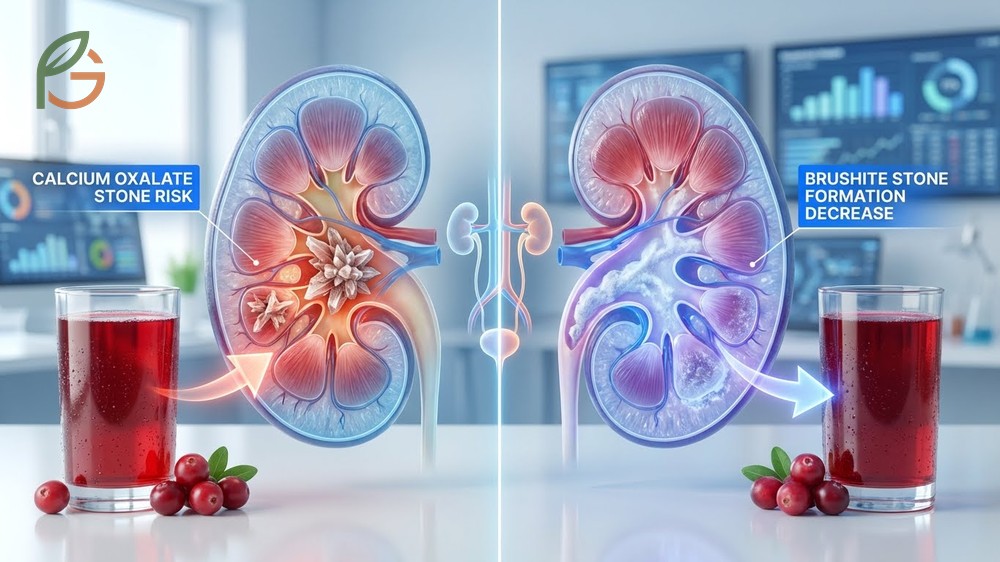 Is Cranberry Juice Good For Your Kidneys & Stones? | 29 June, 2026
For those curious to explore cranberries on their own, start with these simple tips. First, always read the label—look for “100% juice” with no added sugars or artificial sweeteners. Second, dilute the juice with water to reduce the concentration of oxalates and potassium. Third, try incorporating cranberries into meals rather than drinking them solo: add a teaspoon of unsweetened dried cranberries to a spinach salad or a bowl of low-potassium fruit. This method spreads the intake across the day. Finally, monitor your blood work—if you notice your potassium or oxalate levels rising, reduce or stop cranberry consumption and consult your healthcare provider.
In conclusion, cranberries can be a beneficial addition to a kidney disease diet, but only when used with knowledge and caution. Their power to prevent UTIs and reduce inflammation is a genuine everyday advantage, yet their oxalate and potassium content demands respect. Think of cranberries as a selective tool rather than a universal remedy. By listening to your body, controlling portions, and aligning your choices with your doctor’s advice, you can harness the tart berry’s strengths without compromising your kidney health. The key is balance: enjoyed wisely, cranberries support your journey; consumed carelessly, they can hinder it.
