Is Cornstarch Or Flour Better For Thickening

Let’s be honest: nobody plans to make a lumpy gravy. You’re standing there, whisk in hand, peering into a pot of bubbling liquid, and you just know something is missing. That’...
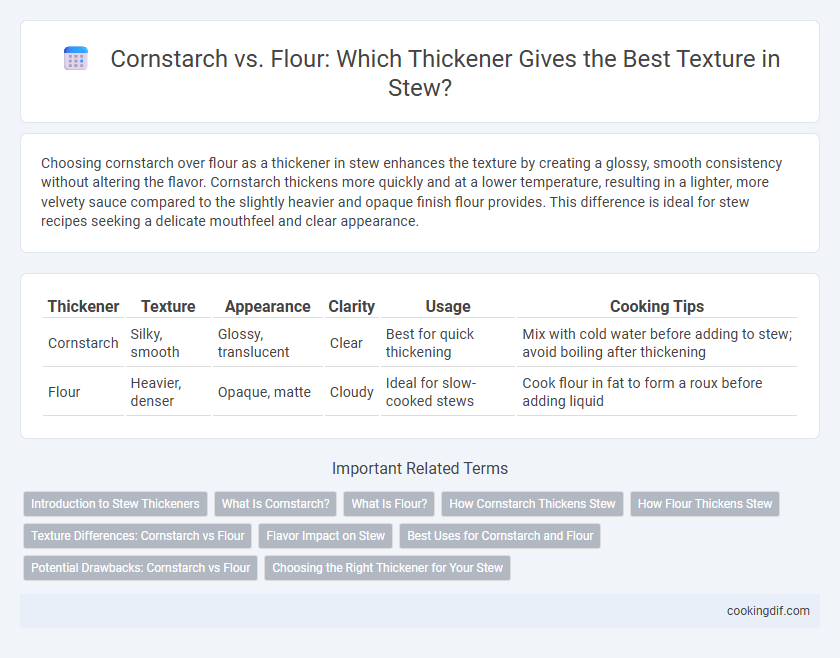
Let’s be honest: nobody plans to make a lumpy gravy. You’re standing there, whisk in hand, peering into a pot of bubbling liquid, and you just know something is missing. That’s the moment you face a true kitchen dilemma: cornstarch or flour? It’s not just a question for Thanksgiving—it’s a life skill for soups, stews, and even pies. So grab your favorite wooden spoon, and let’s sort this out the cozy, no-pressure way.
The silent heroes of your pantry
Both cornstarch and flour are shy wallflowers until you give them a job. Flour is your old, reliable friend—the one who shows up with a casserole and stays for hours. Cornstarch is the trendy cousin from the health food aisle, quick and glossy, but a little high-maintenance. You need to know which one to call for the right dinner emergency.
I learned this the hard way when I tried to thicken a berry pie with flour. The filling turned into a sad, cloudy paste that tasted like my grandma’s wallpaper glue. Cornstarch would have given me a clear, beautiful, jewel-like filling. Now I know: textures matter.
Must Read
Flour: the steady workhorse
Flour is the backbone of classic cooking. It thickens by absorbing liquid, and it needs a little heat and time to do its thing. That’s why roux (flour cooked in butter) feels so satisfying—you’re building flavor while you stir. For creamy soups, chowders, or a hearty beef stew, flour is your best bet. It gives you a matte, velvety finish that feels comfortingly old-fashioned.
However, flour has a dark side: lumps. If you dump it directly into hot liquid, you’ll get a science experiment gone wrong. Always mix it with cold water first to make a “slurry”—or better yet, make a roux. And remember, flour needs to cook for a few minutes to lose its raw taste. Nobody wants a spoonful of paste.
Cornstarch: the glossy magician
Cornstarch is magical for a totally different reason. It thickens almost instantly and gives a shiny, translucent sheen. Think of a perfect Asian stir-fry sauce or a silky lemon pudding—that’s cornstarch at work. It’s also gluten-free, so if your friend with celiac disease comes over, you’re the hero who saved dinner.
 Cornstarch Vs. Flour: Which Thickens Soup Best For Flavor & Texture
But here’s the catch: cornstarch is fragile. Don’t overheat it, or it will break down and turn watery again. And never, ever boil it for long—it gets a weird, rubbery texture that’s like chewing on a raincoat. Also, cornstarch-thickened sauces don’t reheat well. Yesterday’s leftover gravy? It might turn into soup with lumps.
A real-life dinner table test
Picture a Sunday roast. Your gravy is the star. If you use flour, you get a rich, savory, practically sinful gravy that clings to every potato. If you use cornstarch, you get a thin, clear sauce that slides off the roast like a shy handshake. Flour wins for gravy, hands down.
Now picture a fruit tart. You want the fruit to glisten like a stained-glass window. Cornstarch will give you that gummy, beautiful shine—flour will turn it into a mess of cloudiness. Cornstarch wins for fruit pies. The rule of thumb? If you want creaminess, pick flour. If you want clarity and shine, pick cornstarch.
 Cornstarch Vs. Flour: Which Thickener Is Best For Your Soup? | AnSoup
How to use them without crying
For flour, always make a roux or a slurry. Use about 1½ tablespoons of flour per cup of liquid for a medium-thick sauce. Cook it for at least 2 minutes after adding. For cornstarch, use 1 tablespoon per cup of liquid. Mix it with cold water first, then stir it in at the very end of cooking. Don’t let it boil for more than 30 seconds.
One more pro tip: if you’re making a dairy-heavy soup (like chowder), flour holds up better to milk. Cornstarch can make dairy grainy if you’re not careful. Also, acidic ingredients like lemon juice or vinegar can break cornstarch’s power, so stick with flour for anything tangy.
The final verdict you’ll actually remember
Think of it this way: flour is for cozy, cloudy comfort; cornstarch is for bright, shiny show-offs. You need both in your kitchen because life is full of different pots. Your stew deserves a good flour hug, while your strawberry pie deserves a cornstarch sparkle. Keep a box of each—no shame. And next time you’re staring at that bubbling pot, take a breath, pick your champion, and whisk with confidence. You’ve got this.
Now go make something delicious. And remember: a lumpy sauce is just a learning curve in a bowl. You are the boss of that bowl.
