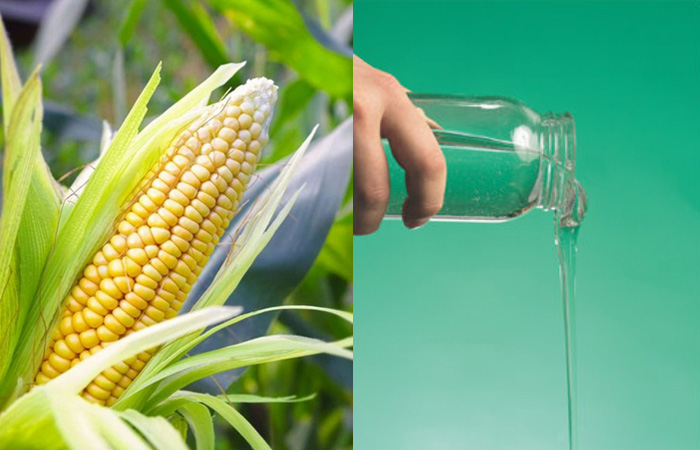
Is Corn Starch The Same As Corn Syrup

When you reach for a thickener in a sauce or a sweetener in a dessert, you might wonder whether corn starch and corn syrup are two sides of the same coin or completely differe...
When you reach for a thickener in a sauce or a sweetener in a dessert, you might wonder whether corn starch and corn syrup are two sides of the same coin or completely different ingredients. Both come from the humble corn kernel, yet they serve distinct roles in cooking and everyday nutrition. Understanding which to use can improve texture, flavor, and even the nutritional profile of a dish, making meal prep more reliable and enjoyable. Home cooks value them for their versatility, cost‑effectiveness, and the way they simplify complex recipes without demanding exotic pantry staples to daily meals and snacks.
Corn starch is a fine, powdery carbohydrate extracted from the endosperm of corn. Its primary purpose is to thicken liquids, giving soups, gravies, and pies a glossy, smooth consistency when heated. Because it contains little flavor, it lets the natural taste of the dish shine while also absorbing excess moisture, which can help baked goods stay fresh longer. In gluten‑free baking it replaces wheat flour, providing structure without the elasticity of gluten, and it also works as a useful coating for fried foods to create a crisp outer layer. It helps stabilize sauces when mixed with cold liquids before heating.
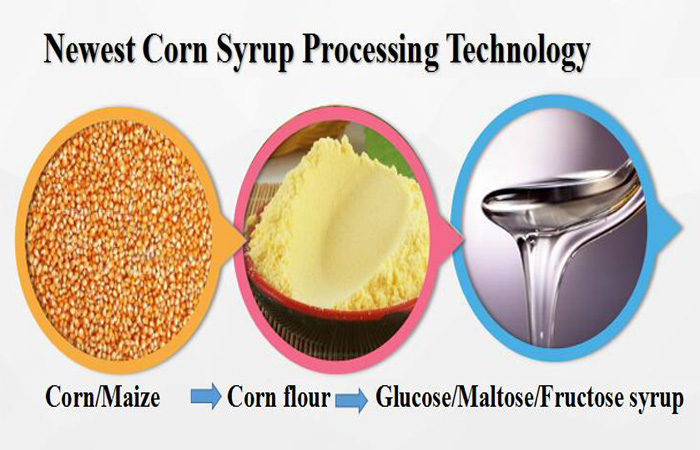
Corn syrup, on the other hand, is a viscous sweetener made by breaking down corn starch into simpler sugars, primarily glucose. Its key role is to add moisture and a smooth mouthfeel to candies, breads, and sauces, preventing crystallization and extending shelf life. The mild sweetness also balances flavors without overpowering other ingredients, making it a favorite in both commercially produced foods and home recipes. It acts as a humectant, keeping baked goods soft for days, and it dissolves easily in cold drinks, providing quick energy for those needing a fast carbohydrate boost. and it enhances ice cream and frostings.
Must Read
Despite their shared origin, the two are not interchangeable. If you substitute corn syrup for corn starch while thickening a sauce, you’ll end up with a sticky, overly sweet base that won’t set properly. Conversely, using corn starch where you need a clear, sweet glaze will yield a cloudy, crisp surface. A classic example is a chocolate ganache: corn syrup gives a glossy finale, while corn starch would leave the surface matte and dry. Choosing the right ingredient also affects cost, as corn starch is cheaper per unit than syrups, and it requires no added sugars for people watching intake.
 Cornstarch vs. Corn Syrup – Key Differences & Substitutions
In everyday life, the choice can affect cost, nutrition, and health goals. Corn starch is cheap, shelf‑stable, and calorie‑dense but provides no added sugars, making it suitable for low‑sugar diets when used as a thickener. Corn syrup adds quick energy and moisture, which can be beneficial for athletes needing rapid glycogen replenishment. However, its high‑glycemic nature means it should be consumed in moderation by those monitoring blood‑sugar levels. Swapping one for the other in a baked good can dramatically change the final texture, while choosing the wrong option may lead to unwanted sweetness or a gummy consistency for optimal results overall.
To explore these ingredients on your own, start by reading labels: look for “corn starch” vs “high‑fructose corn syrup” to avoid unintended swaps. Experiment by adding a teaspoon of corn starch to a cold liquid before heating, then observe how the texture changes. Keep both containers airtight and store them in a dry pantry, and try a simple ratio of 1 part sugar to 1 part corn syrup when making homemade candy to see how moisture retention affects the final product. You can also jot down notes about flavor balance and appearance to build a reference that guides cooking decisions.