Is Cooking An Egg A Physical Change

There’s something deeply satisfying about cracking an egg into a hot pan, watching the clear white turn opaque and the liquid yolk firm up into a golden dome. This everyday ki...
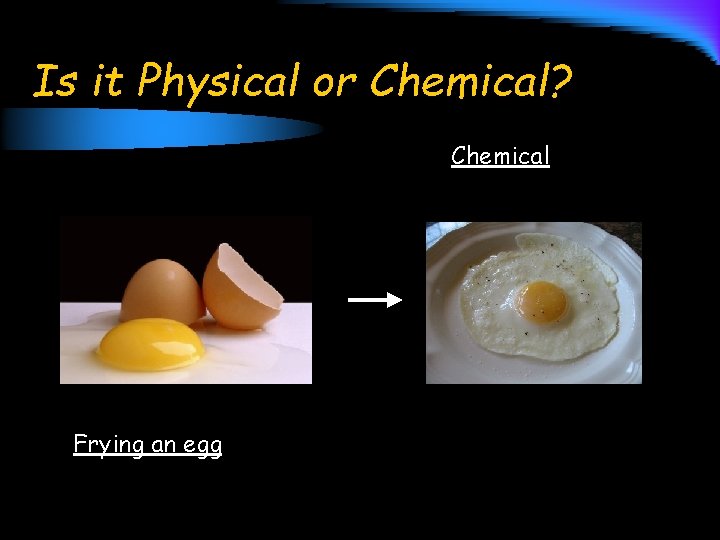
There’s something deeply satisfying about cracking an egg into a hot pan, watching the clear white turn opaque and the liquid yolk firm up into a golden dome. This everyday kitchen miracle is more than just breakfast—it’s a perfect little science experiment that answers a surprisingly fun question: is cooking an egg a physical change? The topic is enjoyable because it connects our daily routines with the hidden wonders of chemistry, practical enough to settle a friendly debate at the dinner table, and widely appreciated by anyone who’s ever scrambled, fried, or poached an egg. Understanding this distinction helps you appreciate why your fluffy omelette can’t go back to being a raw egg—and it even teaches you a bit about how to handle heat for better results.
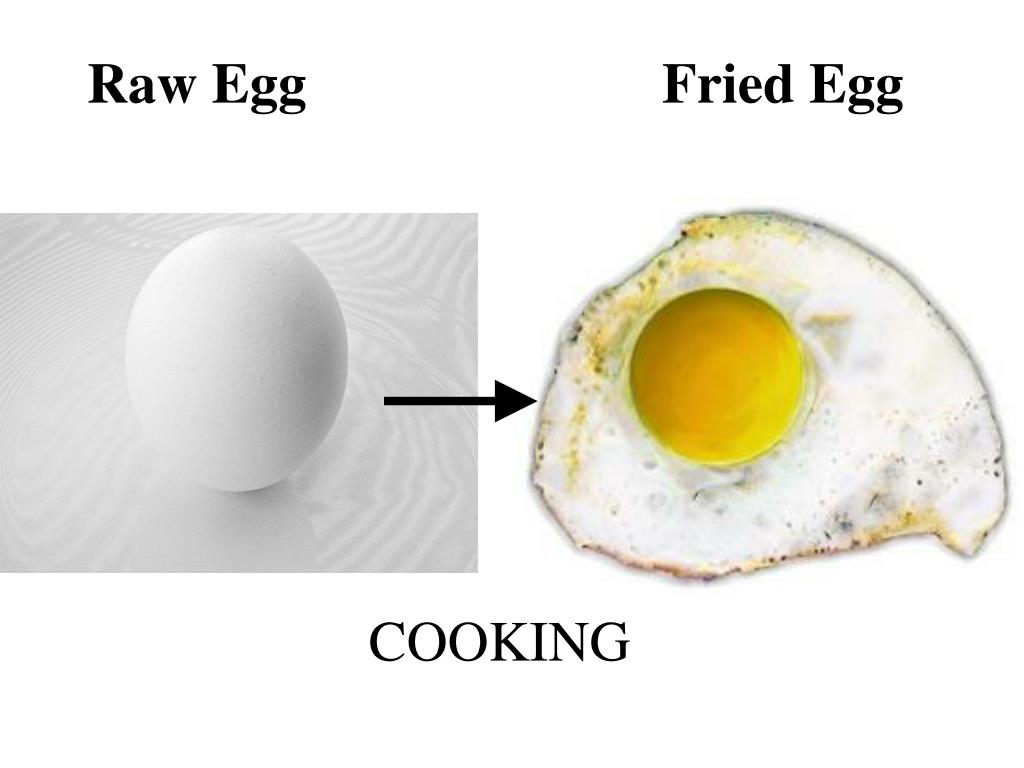
The main purpose of asking this question is to clarify a fundamental concept in science: the difference between a physical change and a chemical change. A physical change is reversible—like water freezing into ice or melting back. A chemical change, however, creates entirely new substances, and it’s irreversible. Cooking an egg falls squarely into the chemical change category. When heat hits the egg proteins, they denature—their long chains unwind and then bond together in a new way. This isn’t just a change in shape or state; it’s a permanent transformation. The gooey white turns into a solid network that cannot return to its liquid form, no matter how much you cool it down.
The benefits of knowing this go beyond trivia. For home cooks, recognizing that cooking an egg is a chemical change helps you control texture. A gentle, low heat denatures proteins slowly, giving you a silky, tender scramble. A high, fast heat creates tight, tough bonds—perfect for a crispy fried egg edge but terrible for a delicate custard. Parents teaching kids about science can use a sunny-side-up egg as a vivid, hands-on demo. And for food lovers, it explains why adding acid (like a splash of vinegar in poaching water) helps set the white faster—acid also denatures proteins, just like heat does. Suddenly, your breakfast becomes a lesson in molecular gastronomy.
Must Read
You probably recognize several common variations of this irreversible change. Think of a hard-boiled egg—the white and yolk become firm, and you can’t “unboil” it (though scientists have figured out how in a centrifuge, but that’s a stunt, not dinner). Frying an egg, scrambling it, or even making a meringue (where heat sets whipped egg whites into a solid foam) are all chemical changes. Even picking an egg in limewater to make it rubbery involves a chemical reaction. Each variation is a different way to see the same underlying truth: once cooked, the egg’s proteins are permanently rearranged.
 PPT - Activity 3: Physical and Chemical Changes PowerPoint Presentation
So, how can you make the most of this practical knowledge in your own kitchen? Start by observing your next egg cook. Before you crack it, think: this is a reversible physical mixture of water, fat, and proteins. After cooking, try to imagine it going back to raw—you can’t. That’s your first actionable tip. Second, experiment with heat: cook one egg at low heat and one at high heat, and notice the difference in texture. The low-heat egg will be softer because the proteins bond more gently. Third, use acid to your advantage—a dash of vinegar in poaching water sets the white firmly without cooking the yolk too much. Finally, share this insight with a friend over breakfast. It makes the meal more interesting, and you’ll never look at a runny yolk the same way again.
At its heart, cooking an egg is a simple, beautiful reminder that change is often permanent—and that’s a good thing. The next time you hear someone argue it’s just a physical change, you can smile, point to your perfectly set omelette, and explain why you can’t unscramble that egg. Science and breakfast never tasted so good together.
