Is Cookie Dough Supposed To Be Sticky

You’ve cracked open a fresh tube of refrigerated cookie dough, and your fingers immediately disappear into a sticky, pale blob that clings like a desperate toddler. You panic....

You’ve cracked open a fresh tube of refrigerated cookie dough, and your fingers immediately disappear into a sticky, pale blob that clings like a desperate toddler. You panic. Did you buy a bad batch? Is the universe testing your pastry resolve? Relax—I’m here to tell you that cookie dough is absolutely supposed to be sticky, and if it isn’t, you’re probably eating a dry, crumbly hockey puck of regret.
Think of cookie dough as a drama queen of baking. It needs just enough liquid and fat to make it clingy, because that stickiness is what keeps those chocolate chips suspended in a buttery cloud of happiness. No stickiness means the dough is too dry, and those chips will fall out like teeth from a grandpa’s dentures during a sneeze. Fun fact: commercial bakers actually measure stickiness to ensure cookies spread evenly—it’s a science, people, not a cry for help.
But here’s the juicy part: stickiness varies wildly by recipe. A classic chocolate chip dough from your grandmother’s cookbook might be so tacky it could double as wallpaper paste, while a shortbread dough is practically a dry desert. The secret is the ratio of butter to flour, with a pinch of sugar and eggs acting as glue. If your dough feels more like modeling clay than a sticky mess, you’ve likely added too much flour—a rookie mistake that leads to cookies as dense as a dictionary.
Must Read
The Sticky Truth About Temperature
Your room temperature plays a huge role. On a hot, humid summer day, your dough will turn into a gooey monster that leaves prints on the counter. On a dry winter day, it might feel almost stiff. Pro tip: if your dough is too sticky to handle, chill it for 20 minutes—the cold solidifies the butter, making it less adhesive and easier to scoop. You’re welcome for saving your sanity.
But wait—what about that raw dough taste we all love? The stickiness actually helps trap flavors, so a properly sticky dough is also a flavorful one. Flour absorbs moisture and fat, and if it’s not sticky, you’re essentially eating a flour-flavored brick. And no one wants that, unless you’re building a tiny house for ants.
The Great Dough Stickiness Myth
I’ve heard people swear that sticky dough means it’s “overworked” or “ruined.” That’s total baloney. Overworking creates gluten, which makes cookies tough, not sticky. Stickiness comes from the high fat and sugar content, which dissolves and creates a syrup-like matrix. Professional bakers even recommend letting your dough rest for 24 hours to let that stickiness develop deeper caramel notes. Yes, your dough is supposed to be tackier tomorrow than it is today.
One shocking fact: cookie dough stickiness is why scooping it onto a pan is so satisfying. That slight resistance when you slide a spoon through it? That’s the dough’s structural integrity—the same physics that makes a good cookie spread into a circle instead of a puddle. Too sticky, and it loses shape; too dry, and it stays a lump. It’s Goldilocks logic, but with sugar.
What If It’s TOO Sticky?
Okay, fine. There is a limit. If your dough literally sticks to everything—your hands, the bowl, the cat—you may have underestimated the flour or overdid the butter. But don’t panic. Sprinkle in a tablespoon of flour at a time and mix gently until it feels like a firm, pilferable lump. Still too messy? Refrigerate it for 30 minutes. Cookie dough is basically a drama that needs time to center itself.
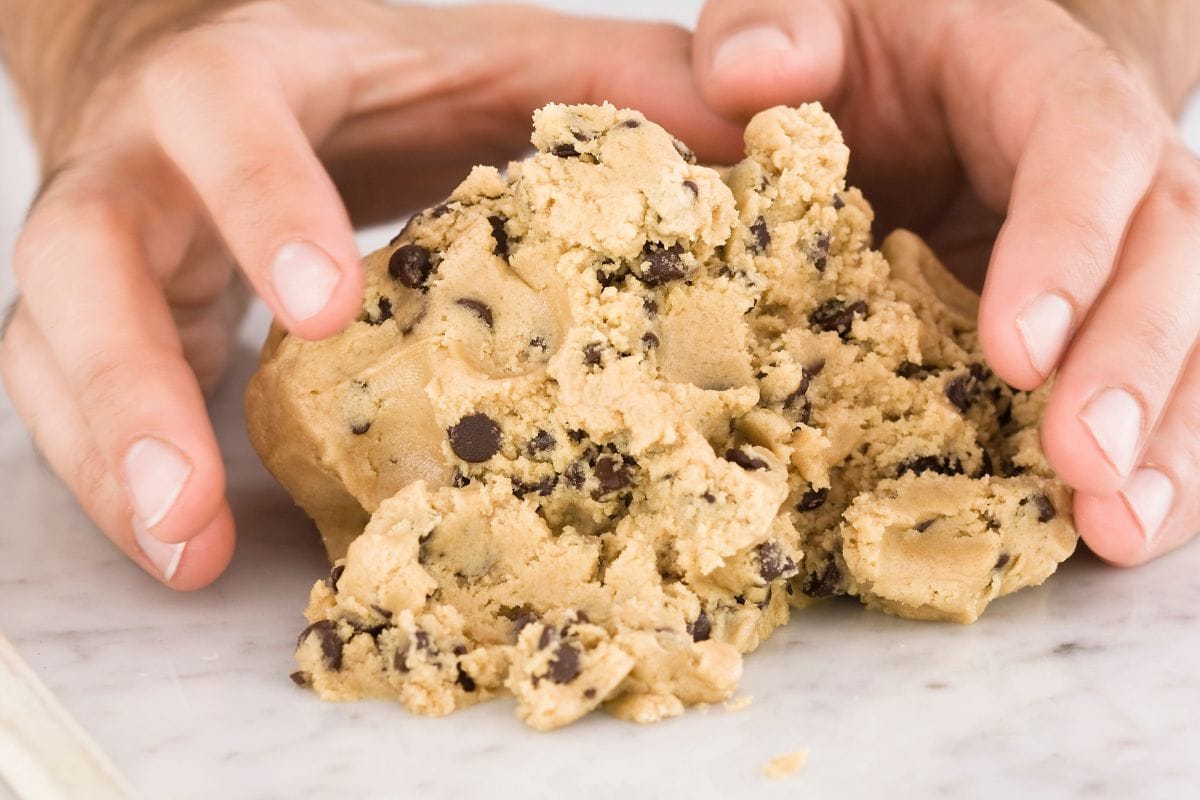 Sticky Cookie Dough Fix - What Kate Baked
And for the love of all that is good, stop dusting your hands with flour every two seconds. You’re just adulterating the dough. Instead, use a slightly damp hand to roll it—water repels butter, so the stickiness transfers to the water, not your skin. It’s like a magic trick, but with fewer rabbits and more calories.
The Raw Dough Debate
Here’s where it gets personal. Many of you lick the spoon (and the bowl, and the counter), and I’m not here to judge. But raw dough stickiness is actually a safety warning—sticky dough means raw flour and eggs are well-mixed, which increases the risk of foodborne illness if you eat it. The FDA says not to, but let’s be real—we’ve all risked it for a glob of sticky heaven. Just maybe use pasteurized eggs if you’re a repeat offender.
In fact, there’s a whole product called “edible cookie dough” sold in stores, and it’s specifically engineered to be less sticky than real dough. Sacrilege, I know. They remove the eggs and treat the flour, so it’s safe to eat, but the texture is more like playdough than the beloved, gooey original. You’re not missing out; you’re just eating a safe, inferior version.
The Final Scoop
So next time you’re elbow-deep in a sticky mess, remember: you’re not failing—you’re creating. That clingy, tenacious blob is exactly what develops that chewy interior and crisp edge. Embrace the stickiness like an old friend who needs a hug, even if they leave a residue. A dry dough is a sad dough, and nobody wants a sad cookie.
And if you’re still worried, just think of this: the world’s best cookie recipes—the kind that win county fairs and inspire thousand-word blog posts—are always described as “unbelievably sticky” before baking. It’s a badge of honor. So wash your hands, grab a spoon, and dig in. The stickiness is proof you’re doing it right. Now go forth and bake—or at least snack on the raw dough like the beautiful chaos agent you are.
