Is Chocolate And Red Velvet The Same

Let’s settle this once and for all. Is chocolate the same as red velvet? Spoiler alert: no, but the confusion is totally understandable. Think of red velvet as chocolate’s dr...

Let’s settle this once and for all. Is chocolate the same as red velvet? Spoiler alert: no, but the confusion is totally understandable.
Think of red velvet as chocolate’s dramatic, glamorous cousin. They share a family resemblance, but they’re definitely not twins.
Here’s the kicker: red velvet is barely chocolate. A classic red velvet cake uses only a tiny bit of cocoa powder. We’re talking one or two tablespoons. That’s it.
Must Read
Compare that to a real chocolate cake, which is practically a cocoa powder swimming pool. Red velvet’s flavor is more about tangy buttermilk and vanilla. Chocolate is the main event in its own cake.
The Great Red Lie
You know that vibrant red color? It’s a total cheat. Historically, the red came from a chemical reaction between cocoa and acidic buttermilk. The cocoa had natural anthocyanins (ph chemicals) that turned red when mixed with acid.
But modern cocoa is processed to remove those chemicals. So today, bakers dump in a whole bottle of red food coloring. It’s a cosmetic trick, not a flavor thing.
If you made red velvet without the dye, you’d get a boring brown cake. That’s why the color is everything.
Texture Tells the Tale
Chocolate cake is often dense and fudgy. Red velvet is famously velvety—soft, tender, and almost fluffy. The secret?
Buttermilk and vinegar create a fizzy reaction. That reaction makes the cake super light. Plus, red velvet always comes with cream cheese frosting. Chocolate cake dares to use buttercream or ganache. Totally different vibes.
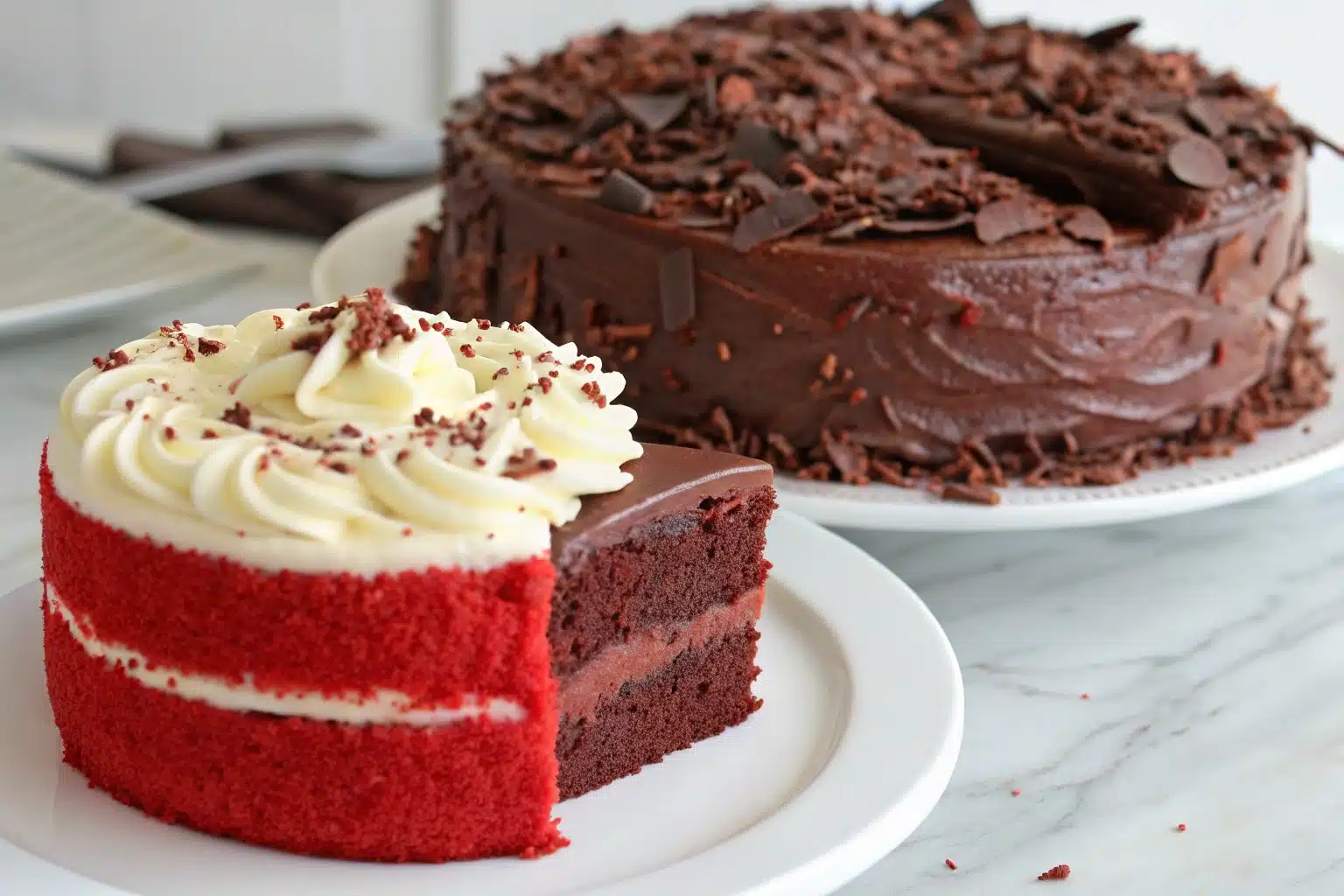 Red Velvet vs Chocolate Cake: Is There a Flavor Difference?
Fun fact: the first “red velvet” cakes weren’t even red. They were actually brownish-red from the cocoa reaction. The dye craze started in the 1930s at a fancy New York hotel. Marketing, people—it’s powerful.
The Taste Test
Close your eyes and taste plain red velvet cake. It’s sweet, tangy, and only hints at chocolate. Now taste chocolate cake. It’s deep, rich, and roasty—like cocoa itself had a loud megaphone.
Most people can’t tell the difference in a blind test. That’s because our brains see “red” and scream “chocolate!” But your tongue knows the truth. The bitterness of chocolate is muted in red velvet.
If you want a chocolate fix, pick chocolate. If you want a sweet, tangy, party-in-your-mouth cake with a gorgeous hue? Grab red velvet.
Why This Matters (Or Doesn’t)
Let’s be honest: this debate is silly and fun. It’s like arguing whether a clown car is the same as a race car. Both are vehicles, but one has a red nose and blaring honk.
Yet, people get passionate about it. Bakeries charge more for red velvet because it’s “special.” It’s just chocolate cake in a swimsuit, honestly. That makes it a perfect conversation starter at parties.
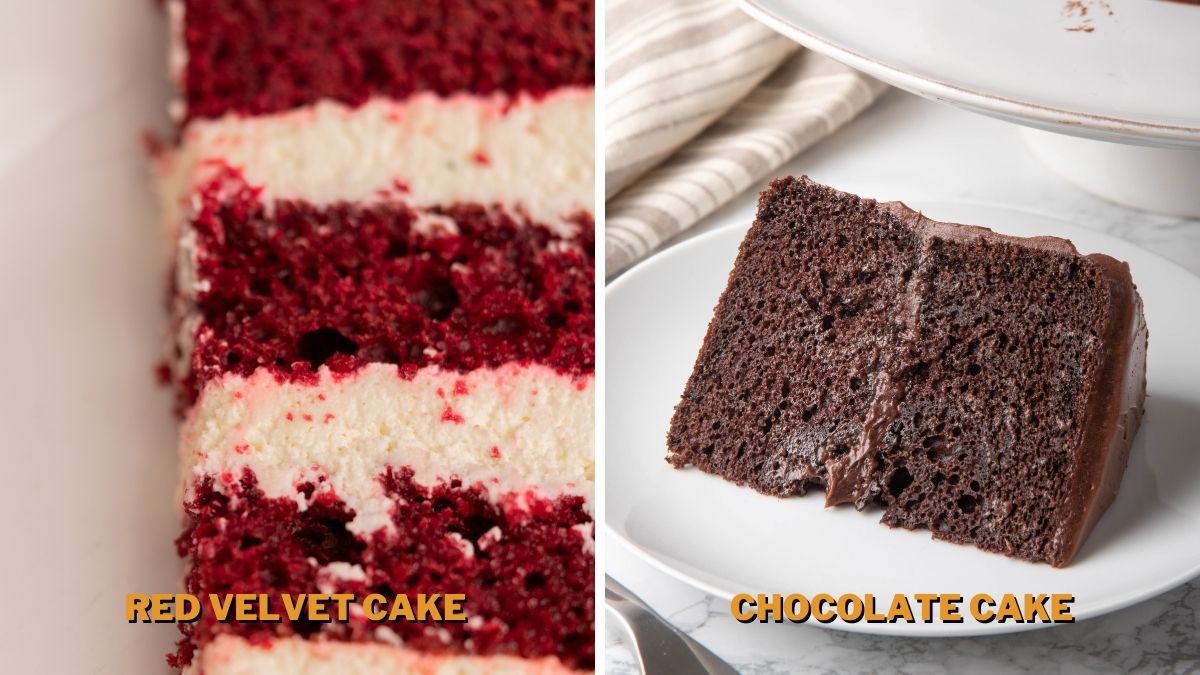 Red Velvet Cake vs. Chocolate Cake: Are They the Same?
So, next time someone says “red velvet is chocolate,” you can smirk. You now know the secret backstory.
Quirky Facts to Impress Your Friends
Did you know red velvet and chocolate cake share a birthday? Both were popularized in the 1920s. But red velvet got a makeover during World War II. Bakers used beet juice to color cakes when dye was scarce. Yes, beets. Gross? Maybe. Genius? Absolutely.
Also, the famous “Red Velvet” at the Waldorf Astoria helped launch the trend. They served it with cream cheese frosting, which was a weird choice back then. Most cakes had boiled icing. Their gamble paid off big time.
Today, red velvet is the third most popular cake flavor in America. Chocolate is number one. Vanilla is number two. Red velvet beat carrot and lemon. Take that, vegetable cakes.
The Final Slice
Are chocolate and red velvet the same? No way. They’re two different flavors with a shared family tree. One is a bold declaration. The other is a sly wink with a red lipstick.
So, order both. Double the dessert, double the fun. You can thank me later.
And if anyone judges you? Just say you’re doing culinary research. Science demands cake. Always.
