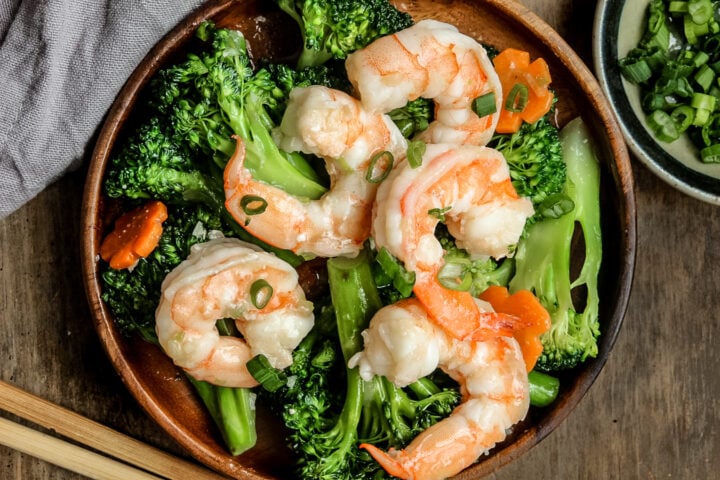
Is Chinese Shrimp And Broccoli Healthy

Shrimp and broccoli is one of the most beloved dishes found on American Chinese menus, and it is easy to see why. The combination of succulent shrimp with crisp, bright green...
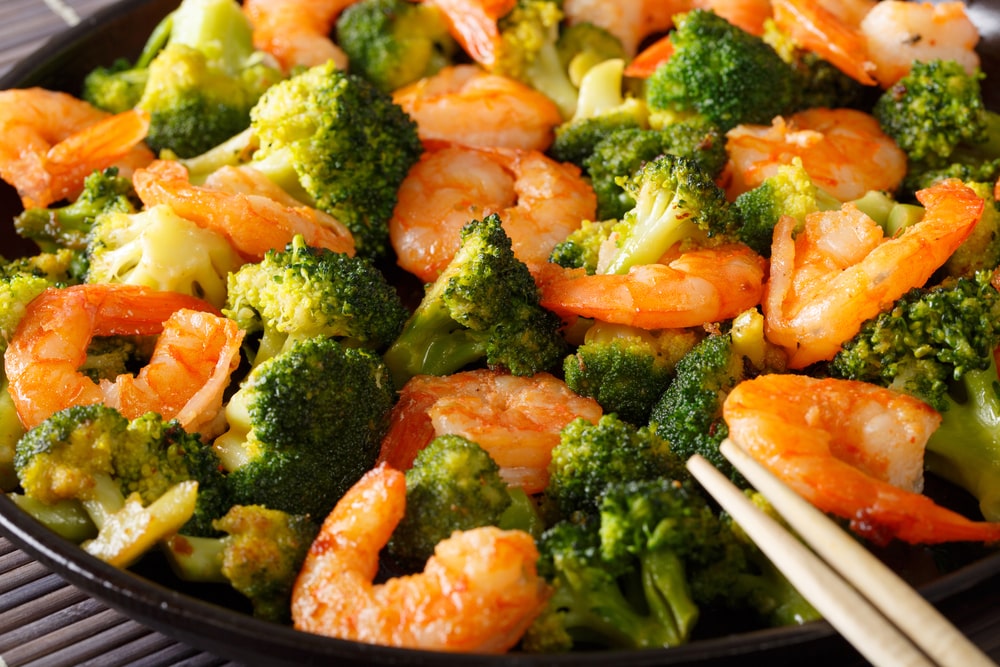
Shrimp and broccoli is one of the most beloved dishes found on American Chinese menus, and it is easy to see why. The combination of succulent shrimp with crisp, bright green broccoli delivers both visual appeal and a satisfying contrast of textures. Many people reach for this go-to entrée during a busy workday lunch or a quick family dinner, assuming it represents a lighter, healthier choice compared to heavier fried options like General Tso's chicken or egg rolls. But is Chinese shrimp and broccoli truly a wholesome meal, or does it hide unexpected nutritional pitfalls?
At its core, the dish revolves around two genuinely nutritious ingredients. Shrimp is an excellent source of lean protein, providing roughly 20 grams per serving while being naturally low in calories and fat. It also delivers important nutrients such as selenium, vitamin B12, and omega-3 fatty acids that support heart health and brain function. Broccoli, meanwhile, is one of the most nutrient-dense vegetables available, packed with fiber, vitamin C, vitamin K, and powerful antioxidants. When prepared simply with minimal oil, these two ingredients create a well-balanced plate that supports muscle maintenance, digestive health, and overall wellness for people of virtually any age.
The real question, however, lies in how the dish is prepared at most Chinese restaurants. The typical sauce accompanying shrimp and broccoli often contains significant amounts of sodium, sugar, and cornstarch for thickening. A single restaurant portion can easily deliver over 1,500 milligrams of sodium—exceeding the American Heart Association's recommended daily limit in just one sitting. The sauce may also pair with jars of garlic or ginger paste with added salt and sugar, amplifying the hidden calories. Additionally, stir-frying in generous amounts of vegetable oil pushes the calorie count higher than many diners expect, transforming what seems like a lean entrée into something considerably more indulgent.
Must Read
Despite these concerns, shrimp and broccoli remains a far better option than many alternatives on the same menu. Compared to breaded and deep-fried dishes such as sweet and sour pork, chicken lo mein, or fried dumplings, it contributes far fewer calories, significantly less unhealthy fat, and a better overall macronutrient ratio. For someone navigating a strict fitness plan or managing conditions like hypertension, choosing shrimp and broccoli over fried entrées still represents a meaningful step toward healthier eating. The dish proves that not all Chinese food carries equal nutritional weight, and making a conscious selection at ordering time can genuinely matter.
A practical scenario illustrates this well. Imagine two friends ordering Chinese takeout. One orders shrimp and broccoli with steamed rice, while the other picks fried rice with sweet and sour pork. At first glance, both plates might seem comparable in size and value, yet the shrimp and broccoli meal delivers lean protein, abundant fiber, and essential vitamins while keeping overall fat intake moderate. The second plate, by contrast, combines refined carbs, processed sugars, and deep-fried protein, leading to a blood sugar spike and prolonged sluggishness afterward. This everyday comparison shows how a single menu decision can sway energy levels, satiety, and long-term health outcomes.
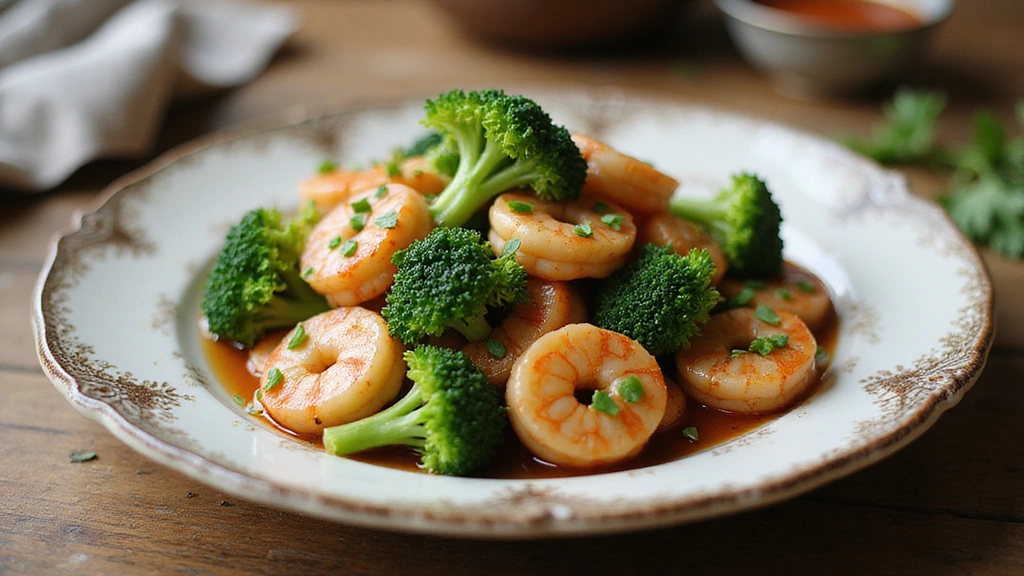 Chinese Shrimp and Broccoli Recipe Light Healthy and Delicious - Pure
Readers who want to enjoy this dish more responsibly can adopt a few simple strategies. First, request the sauce on the side so you can control how much you actually consume. Second, ask for the dish to be prepared with minimal oil, or inquire whether steamed preparation is available. Third, pair the entrée with brown rice or steamed vegetables instead of white rice to increase your fiber intake. Finally, consider making the dish at home, where you can use low-sodium soy sauce, fresh garlic, and a light touch of sesame oil for full nutritional control.
Ultimately, Chinese shrimp and broccoli sits in a nuanced space. Its foundational ingredients are undeniably healthy and beneficial for everyday life, yet restaurant preparation habits can undermine those advantages through excess sodium, sugar, and oil. By understanding what goes into the dish and making informed adjustments—whether at a restaurant or in your own kitchen—you can transform this popular entrée into a genuinely nourishing part of your regular diet.