Is Chili Powder The Same As Ancho Chili Powder

Welcome, spice explorers! If you’ve ever stood in the grocery aisle, squinting at jars of red powder, wondering if you could just swap one for the other without ruining your d...
Welcome, spice explorers! If you’ve ever stood in the grocery aisle, squinting at jars of red powder, wondering if you could just swap one for the other without ruining your dinner, you are in the right place. This is a fun little rabbit hole because chili powder and ancho chili powder sound like they should be best friends, but they’re actually more like distant cousins from different parts of the flavor family. Understanding the difference is a secret weapon that can elevate a bland pot of chili into a smoky masterpiece or save a delicate sauce from a heat overload. The best part? Once you know what each one brings to the table, you’ll have more control over every dish you cook, from tacos to tamales, and you’ll stop guessing when a recipe says “chili powder.”
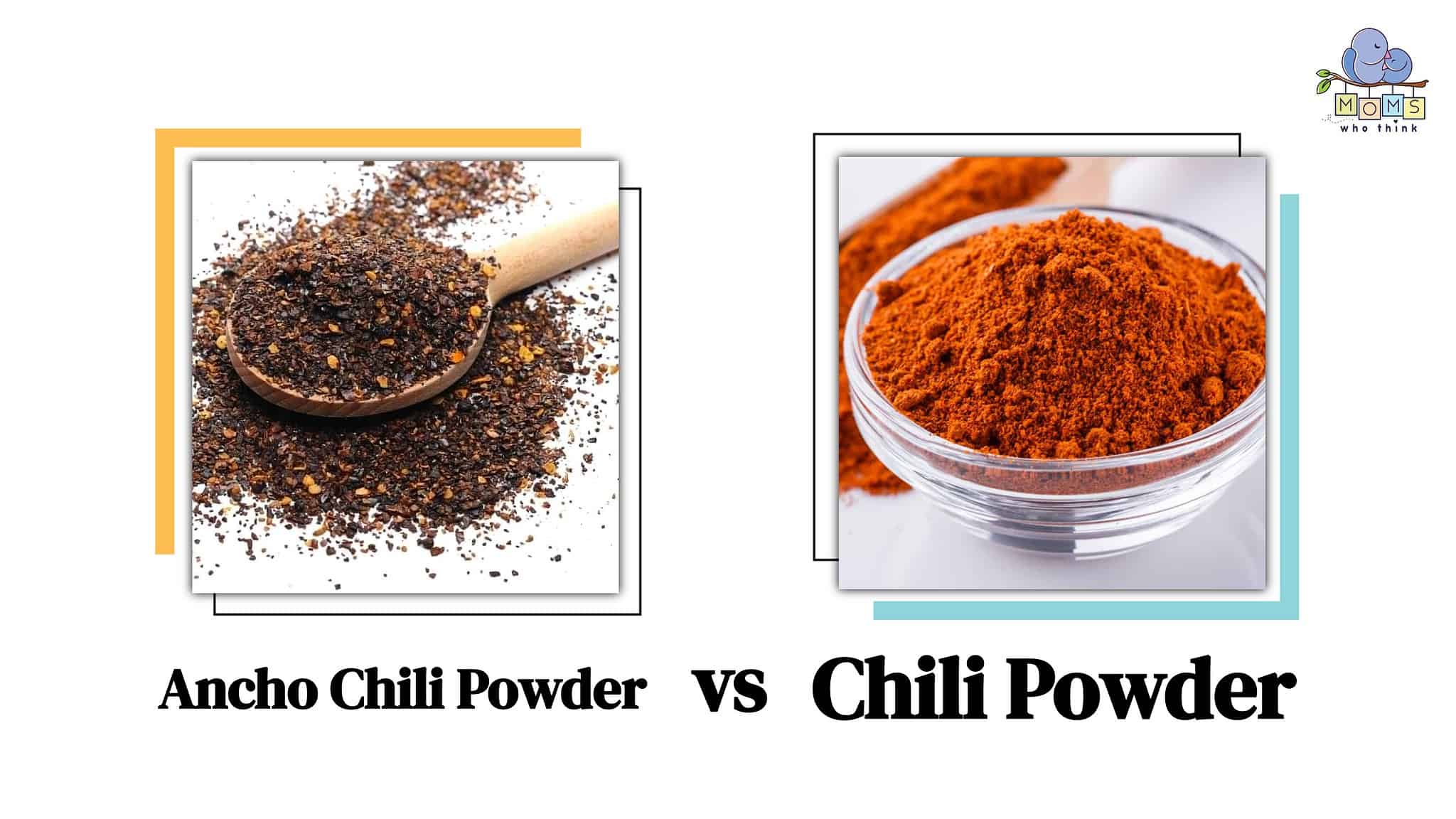
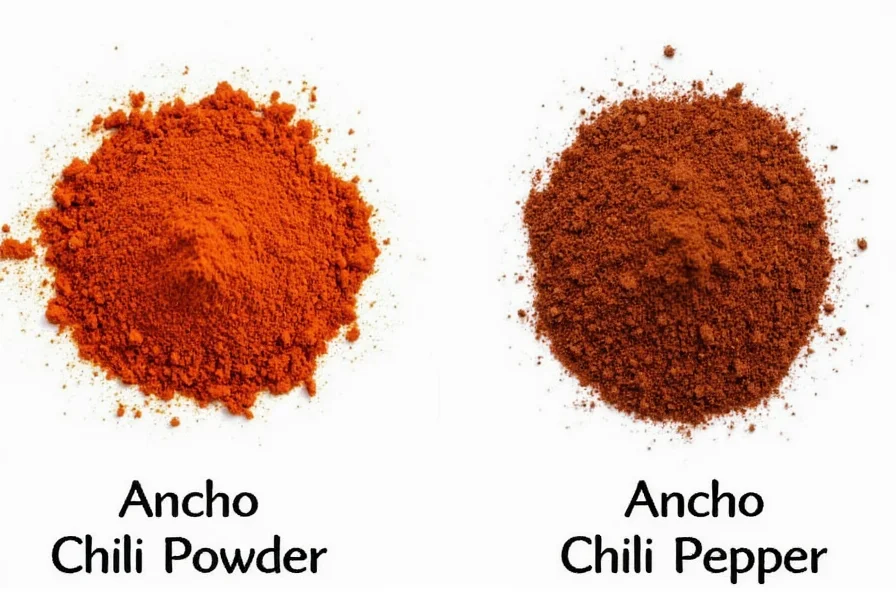
Let’s start with the basics, because the biggest confusion comes from the name. Chili powder is almost never a single spice—it’s a blend. That red-orange jar in your pantry is usually a mixture of ground dried red chiles (often mild ones like New Mexico or California chiles), plus cumin, garlic powder, oregano, and sometimes salt, paprika, or even a little cayenne for heat. It’s a shortcut for busy cooks: one spoonful gives you multi-layered flavor. On the flip side, ancho chili powder is a single-ingredient spice. Ancho chiles are simply dried poblano peppers. They are fruity, sweet, and raisin-like, with a mild, gentle heat (about 1,000–2,000 Scoville units, compared to cayenne’s 30,000–50,000). So if you grab ancho powder thinking it’s “just another chili powder,” you might end up with a dish that’s sweet and smoky but missing that cumin-garlic backbone.
Here’s where the creative fun starts. Imagine you’re making a hearty beef chili for game day. If you use standard chili powder, you get that classic, familiar Tex-Mex flavor profile—cumin-forward, slightly garlicky, with a gentle warmth. It’s reliable and crowd-pleasing. But what if you use ancho chili powder instead? Your chili will turn a deeper, almost burgundy color, and the flavor will shift from “cookout” to “mole-inspired.” The ancho’s natural sweetness will mellow the acidity of tomatoes, and it adds a silky, almost chocolatey depth without any heat that makes your forehead sweat. You could even combine them: two parts standard chili powder to one part ancho powder creates a balanced bowl that has complexity yet still tastes like “chili.” This is the magic of understanding the difference—you stop being a slave to the recipe and start being a flavor architect.
Must Read
Let’s take another example: a simple dry rub for chicken or ribs. If you reach for chili powder, you’re adding that cumin-garlic note that pairs beautifully with grilled meat, but you might accidentally make it taste a bit like taco filling—which is fine, but not always what you want. Swap in ancho chili powder, and suddenly your rub becomes deeply earthy and slightly sweet, perfect for a pork shoulder that you’ll slow-smoke all day. For a real party trick, mix ancho powder with brown sugar, smoked paprika, and a pinch of cinnamon. That rub will make your guests think you spent hours at a gourmet restaurant. Or use ancho alone to dust over roasted vegetables like sweet potatoes or cauliflower—the mild heat and fruity notes turn boring veggies into a side dish that steals the show.
Now, some practical advice for your spice cabinet. Rule number one: never treat them as direct swaps without adjusting. If a recipe calls for one tablespoon of standard chili powder and you use ancho powder alone, your dish will lack that cumin punch and might taste flat or oddly sweet. The fix? Add a pinch of ground cumin and a tiny sprinkle of garlic powder to your ancho powder to mimic the blend. Conversely, if you only have standard chili powder and a recipe demands ancho, you’re missing that rich, raisiny sweetness. You can fake it by adding a little unsweetened cocoa powder (yes, really) or a tiny bit of dark brown sugar to the chili powder—just a quarter teaspoon per tablespoon will do the trick. Also, check your labels: many cheap “chili powders” are mostly salt and additives, while high-quality versions list red chile, cumin, and oregano as the main ingredients. For ancho powder, look for a deep burgundy color and a scent like sun-dried tomatoes with a whiff of tobacco.
 Ancho Chili Powder vs. Chili Powder: Which One Should You Use?
Let’s talk about storage and shelf life, because nobody wants a stale spice ruining dinner. Both powders are sensitive to light and heat. Store them in a cool, dark cabinet, not above the stove where steam and heat will degrade them. Standard chili powder has a shorter shelf life—about six months to a year—because the cumin and garlic in the blend lose potency faster. Ancho chili powder, being a simple dried chile, can last up to two years if sealed properly. Here’s a quick test: if your chili powder looks faded (turning orange instead of red) or smells like dust, toss it. For ancho, give it the sniff test: it should smell sweet and slightly smoky, not like cardboard. And here’s a pro tip: toast ancho powder in a dry pan for about 30 seconds before adding liquid to a dish. This wakes up the oils and makes the flavor bloom like a flower in slow motion.
In the end, the best approach is to keep both in your kitchen and treat them like a tag team. Standard chili powder is your everyday quarterback—reliable, versatile, and ready for chili, tacos, burgers, and soups. Ancho chili powder is your secret weapon for when you want to wow people with subtlety—enchilada sauces, braised meats, smoky beans, or even a sprinkle over fresh mango for a spicy snack. Don’t be afraid to experiment: the next time you make a pot of chili, split the base into two pots. Use chili powder in one, ancho in the other, and do a blind taste test with your family. You’ll be amazed at how two powders with “chili” in the name can create such different worlds. So go ahead, buy both, sniff them, and start creating. Your taste buds will thank you for the upgrade.