Is Canola Oil Or Vegetable Oil Better For You

Welcome to a deliciously important kitchen debate! Choosing the right cooking oil might seem like a small decision, but it can make a big difference in how your meals taste an...

Welcome to a deliciously important kitchen debate! Choosing the right cooking oil might seem like a small decision, but it can make a big difference in how your meals taste and how your body feels. Whether you're a home cook experimenting with recipes or someone simply trying to eat healthier, understanding the difference between canola oil and vegetable oil is a surprisingly fun and empowering place to start. This guide will help you compare two of the most popular oils in kitchens worldwide and figure out which one deserves a spot on your shelf.
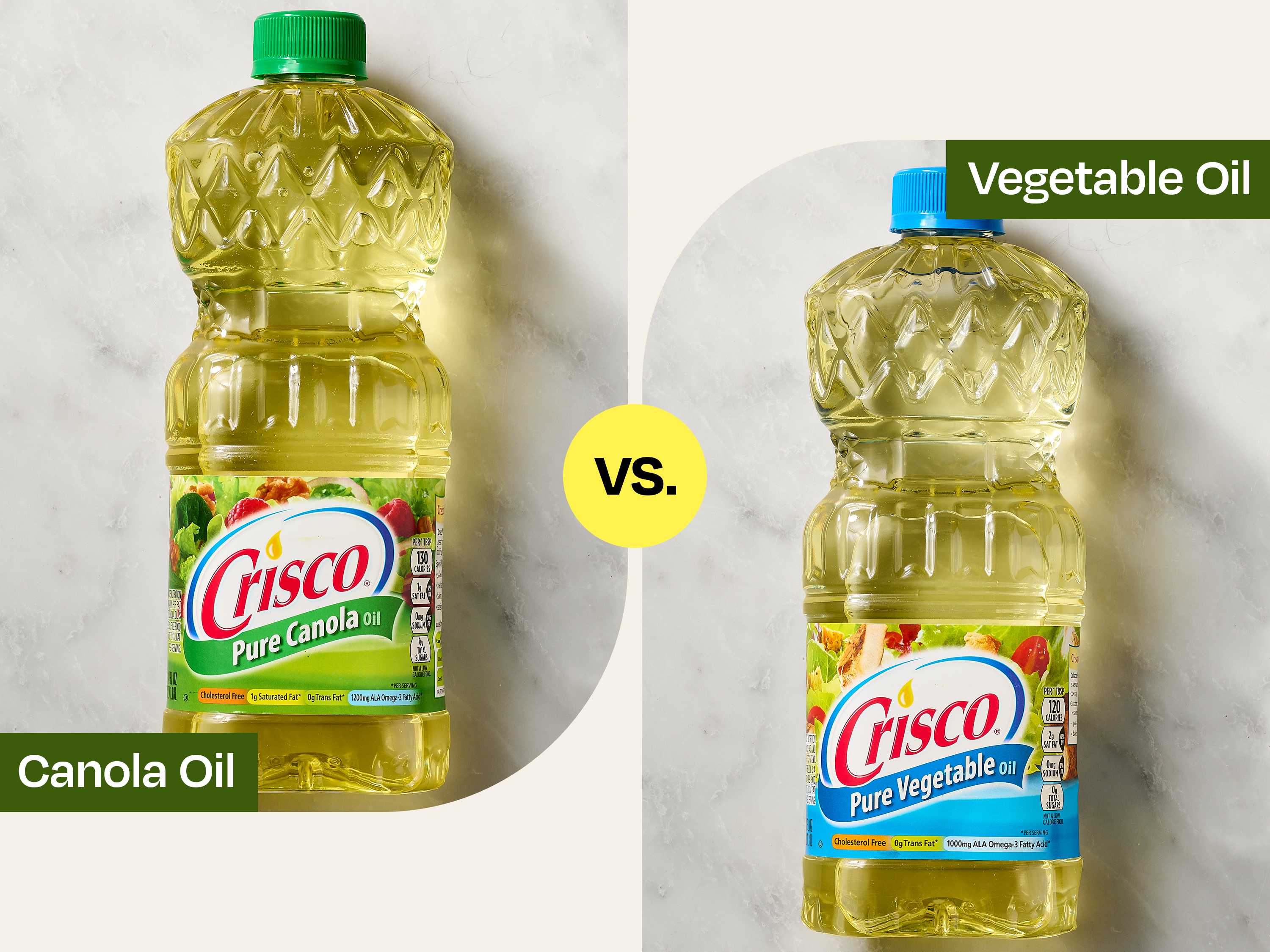
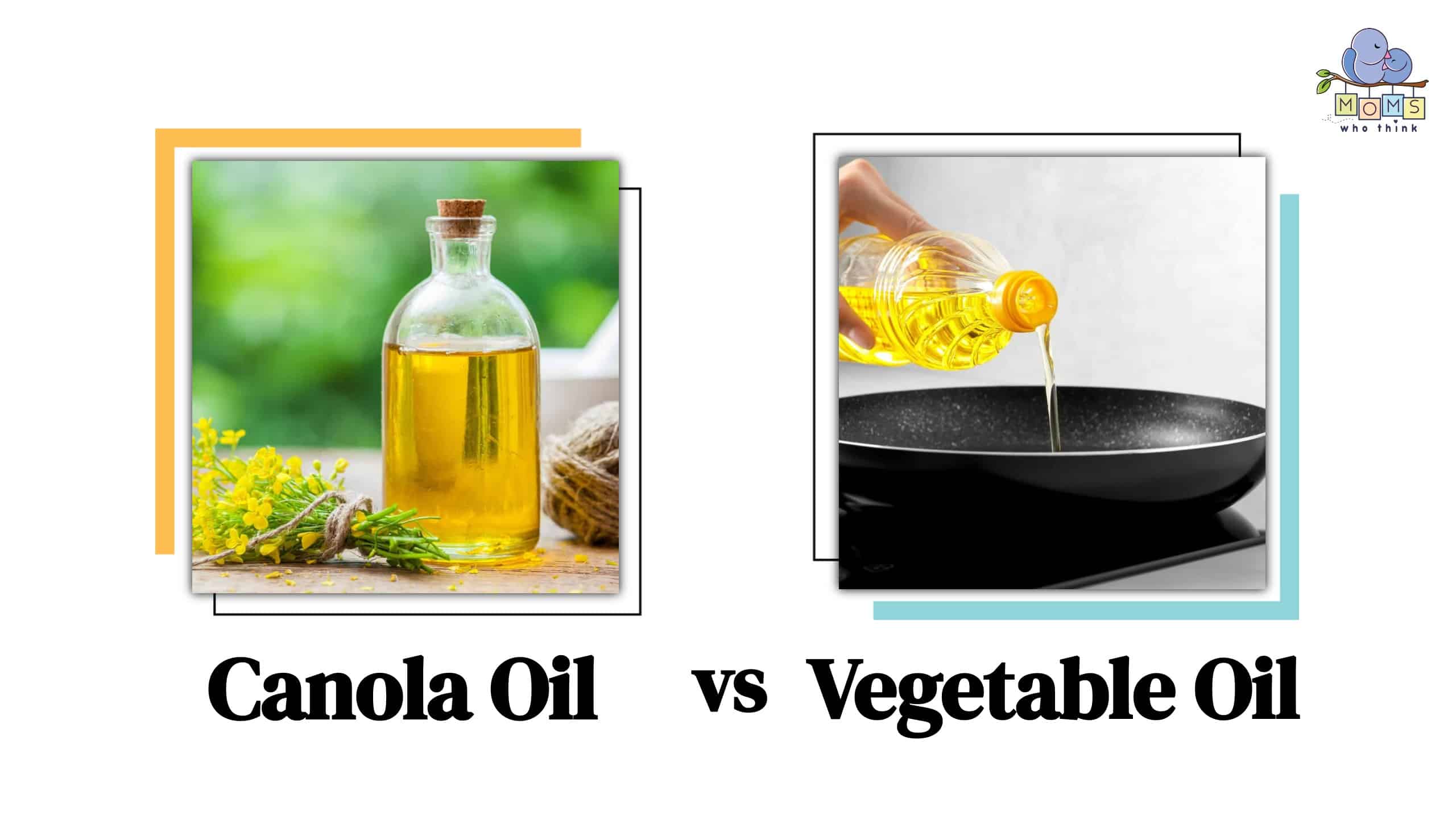
First, let's break down what these oils actually are. Canola oil is made from the seeds of the rapeseed plant and has become a popular choice because of its low saturated fat content and high levels of heart-healthy monounsaturated fats. On the other hand, vegetable oil is a broad category that usually refers to a blend of oils like soybean, corn, and sunflower oil. The two share similarities — both are light, mild-tasting, and affordable — but they also have key differences in their nutritional profiles and how they react to heat in the kitchen.
When it comes to health benefits, canola oil tends to win some important points. It contains a well-balanced ratio of omega-3 and omega-6 fatty acids, which are great for supporting brain health and reducing inflammation. It's also rich in vitamin E and vitamin K, adding a little nutritional boost to whatever you're cooking. Vegetable oil, typically soybean-based, is still a decent source of polyunsaturated fats, but it often carries a slightly higher proportion of omega-6 fats. While omega-6 is not bad in moderation, an excessive imbalance with omega-3 can contribute to inflammation over time. So if you're looking for the clear nutritional winner, canola oil takes a modest lead — but both oils are far healthier than butter or lard.
Must Read
Now let's get a little creative! Imagine you're hosting a fresh summer brunch. You could whisk together a light vinaigrette using extra virgin olive oil, a splash of canola oil for smoothness, and a squeeze of lemon — the result is a dressing that's silky, balanced, and packed with healthy fats. Or picture a batch of golden fluffy pancakes sizzling on the griddle: a drizzle of canola oil in the batter gives them a tender crumb, while a splash of vegetable oil for greasing the pan keeps that delicious crispy edge. Another fun idea is to try an Asian-inspired stir-fry where vegetable oil's slightly stronger flavor can hold its own against garlic, ginger, and soy sauce without getting lost. These small, practical experiments show how swapping or blending oils can transform everyday meals!
 Learn Canola Oil Vs. Vegetable Oil: Which is a Healthier Option?
So how should you actually choose? Here's some practical advice: use canola oil when you want a neutral, health-friendly base for salad dressings, baking, or light sautéing — it won't overpower delicate flavors. Reach for vegetable oil when you're doing some deep frying or high-heat cooking, as most commercial vegetable oil blends have a higher smoke point that makes them more forgiving at very high temperatures. If you're frying crispy chicken or golden French fries, vegetable oil keeps things consistent from batch to batch. One handy rule of thumb: if the recipe emphasizes health benefits or subtle flavors, reach for canola; if it demands high heat and durability, let vegetable oil do the heavy lifting.
To keep things interesting in your kitchen, consider keeping both oils on hand and treating them like different tools in a well-stocked toolbox. Store them in a cool, dark cupboard away from sunlight, and make sure to check the expiration dates — oil can go rancid sooner than you think, and that bitterness will sneak into your food. For the health-conscious cook, try alternating between the two throughout the week so you're getting a diverse range of fatty acids and nutrients. And remember, the ultimate secret ingredient isn't any single oil — it's moderation, variety, and enjoying the cooking process itself. Whichever oil you reach for, you're already making a thoughtful, helpful choice for your plate and your body!