Is Cannellini Beans The Same As Great Northern Beans

If you’ve ever wandered down the bean aisle at your local grocery store, you’ve probably noticed Cannellini beans and Great Northern beans sitting side by side, looking almost...

If you’ve ever wandered down the bean aisle at your local grocery store, you’ve probably noticed Cannellini beans and Great Northern beans sitting side by side, looking almost identical. This is a question that puzzles home cooks and food lovers alike: Are they the same thing? The short answer is no, but understanding the difference can seriously upgrade your cooking game. Knowing which bean to use matters because it affects texture, flavor, and how well your dish holds together—whether you’re making a hearty soup, a creamy dip, or a simple side salad.
Why does this distinction even matter for everyday folks? For families, it can mean the difference between a velvety minestrone and one that turns mushy or falls apart. For individuals meal-prepping on a budget, choosing the right bean saves time and avoids disappointing results. Communities that rely on beans as a staple protein—like in Mediterranean or Latin American cuisines—benefit from knowing that Cannellini beans (also called white kidney beans) have a creamier, almost buttery texture, while Great Northern beans are a bit firmer and hold their shape better during long cooking. This knowledge helps reduce food waste and makes meals more satisfying.
Real-life examples show how this plays out. Imagine you’re making a Tuscan bean soup: you’d want Cannellini beans because their silky interior blends perfectly with broth and garlic, creating that signature rich mouthfeel. Now picture a cold bean salad for a summer picnic—Great Northern beans are your friend here, as they stay intact when tossed with vinaigrette and crunchy vegetables. Another scenario: a busy parent prepping chili for a crowd. Using Great Northern beans ensures the dish doesn’t turn into mush after reheating, while Cannellini would add a luscious thickness if you mash a few into the pot.
Must Read
Practical suggestions? First, read labels carefully: if a recipe calls for one, using the other can work, but you might need to adjust cooking time. For quick weeknight dinners, canned beans are fine—just rinse them well. If you’re shopping dry, remember Cannellini beans are larger and more kidney-shaped, while Great Northern are smaller and oval. Second, experiment: swap Great Northern for Cannellini in hummus for a lighter, less dense dip. Third, cook in batches—both freeze beautifully, so you can prep a pound and have ready-to-use beans for soups, stews, or even as a protein-rich side with olive oil and herbs.
Don’t be afraid to mix them in a dish! Their similar flavors mean they complement each other in casseroles or grain bowls. For a family-friendly taco night, use Great Northern beans as a firm base, then mash a few Cannellini to create a creamy “refried” texture without added fat. If you’re cooking for a crowd with dietary restrictions, both are gluten-free and fiber-packed, making them heroes of plant-based meals.
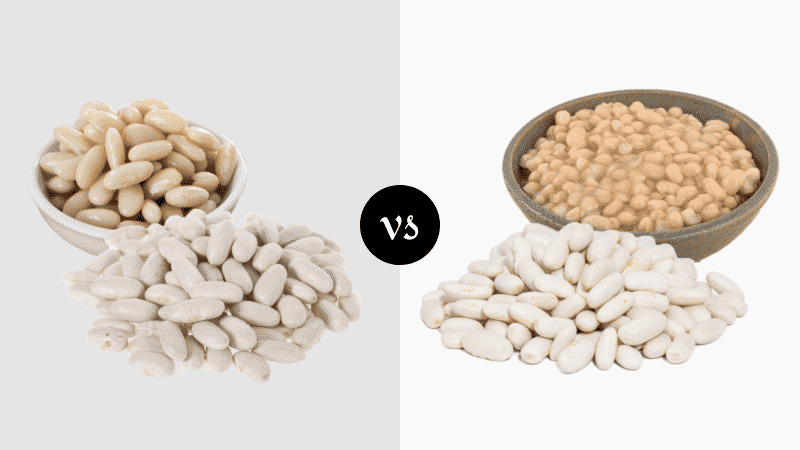 Cannellini Beans vs Great Northern Beans: What's The Difference? - Miss
On a community level, knowing these beans can help local food banks and kitchens stretch ingredients. For example, using Great Northern beans in a soup for a shelter ensures it stays hearty and doesn’t turn into paste, while Cannellini beans work wonders in pureed soups that feed many with minimal effort. A simple swap can turn a basic chili into a comfort food masterpiece that brings people together.
Ultimately, whether you pick Cannellini or Great Northern, you’re making a smart choice for your health and wallet. They’re both affordable, versatile, and nutrient-dense. So next time you’re at the store, don’t stress—just remember: Cannellini for creamy, Great Northern for firm. Embrace the tiny differences, and you’ll never have a sad, watery bean dish again. Happy cooking, and may your soups always be perfectly textured!
