Is Cake Flour The Same As Self Raising Flour

Okay, let's clear something up right away, because I've seen far too many bakers have full-blown meltdowns over this: cake flour and self-raising flour are not the same thing,...
Okay, let's clear something up right away, because I've seen far too many bakers have full-blown meltdowns over this: cake flour and self-raising flour are not the same thing, not even close! They're two completely different flours that do completely different things, and the sooner we get this straight, the sooner you'll stop Googling it at 11 PM while covered in chocolate.
So let's break it down like two friends sharing cake at a coffee shop — because honestly, what better analogy is there?
Cake flour is a super-fine, soft flour with a relatively low protein (gluten) content, usually around 7 to 9 percent. What does that mean for you? It means ridiculously tender, delicate, and fluffy cakes. That cloud-like texture in really good cupcakes? Thank cake flour for that. It's like the gentle, soft-spoken friend who makes everything feel luxurious. Oh, and cake flour doesn't contain any raising agents. Zero. Nada. You'll need to add your own baking powder or buttermilk to get any lift.
Must Read
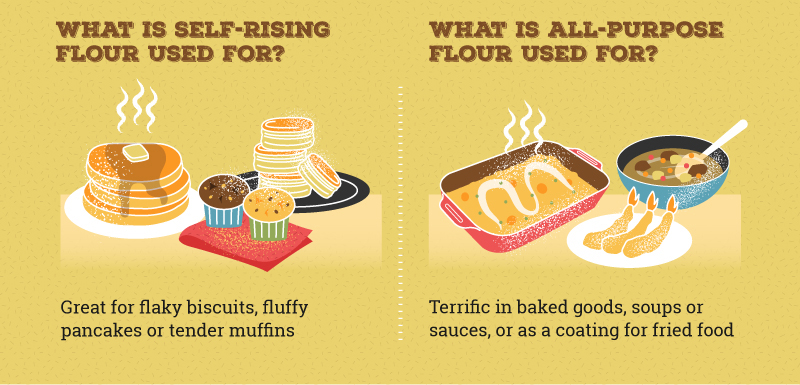
Now, self-raising flour — the wildly misunderstood social butterfly of the flour world — is basically regular all-purpose flour with baking powder already mixed in. It's convenient, it's quick, and it's the flour you reach for when you want to whip up biscuits, scones, or pancakes without thinking too hard. It rises on its own, which is wonderful for lazy Sundays. But here's the catch: it doesn't have that same fine, silky texture that cake flour brings to the table.
Think of it this way — cake flour is like wearing silk pajamas to bed, and self-raising flour is like wearing your favourite comfortable joggers. Both are great options, but they'll give you very different experiences.
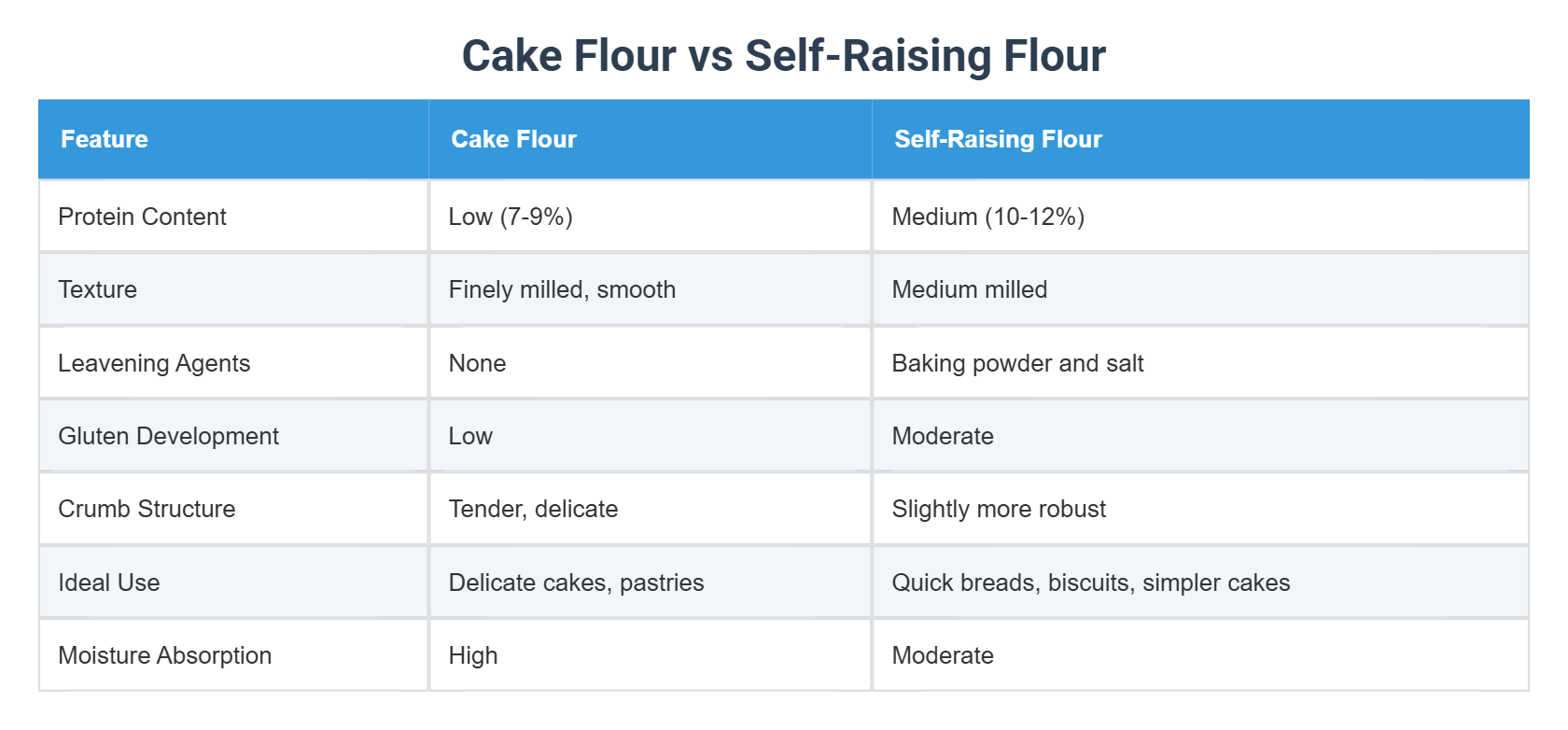 Cake Flour vs Self-Raising Flour
A common mistake people make is swapping one for the other thinking, "They're both flour, right?" Oh, how I wish it were that simple! If you substitute self-raising flour where a recipe calls for cake flour, your cake might rise like a puffy pillow instead of staying light and airy. And if you replace cake flour with self-raising flour without adjusting other raising agents in the recipe... well, let's just say you might end up with a cake that towers like a soufflé and collapses like a bad soufflé. Not exactly the picture you were going for on Instagram!
If you're in a pinch and can't find cake flour, do yourself a favour: mix roughly 1 tablespoon of cornstarch per cup of plain flour to mimic its low-protein goodness. It's a little kitchen hack that saves lives — or at least, saves your birthday cake.
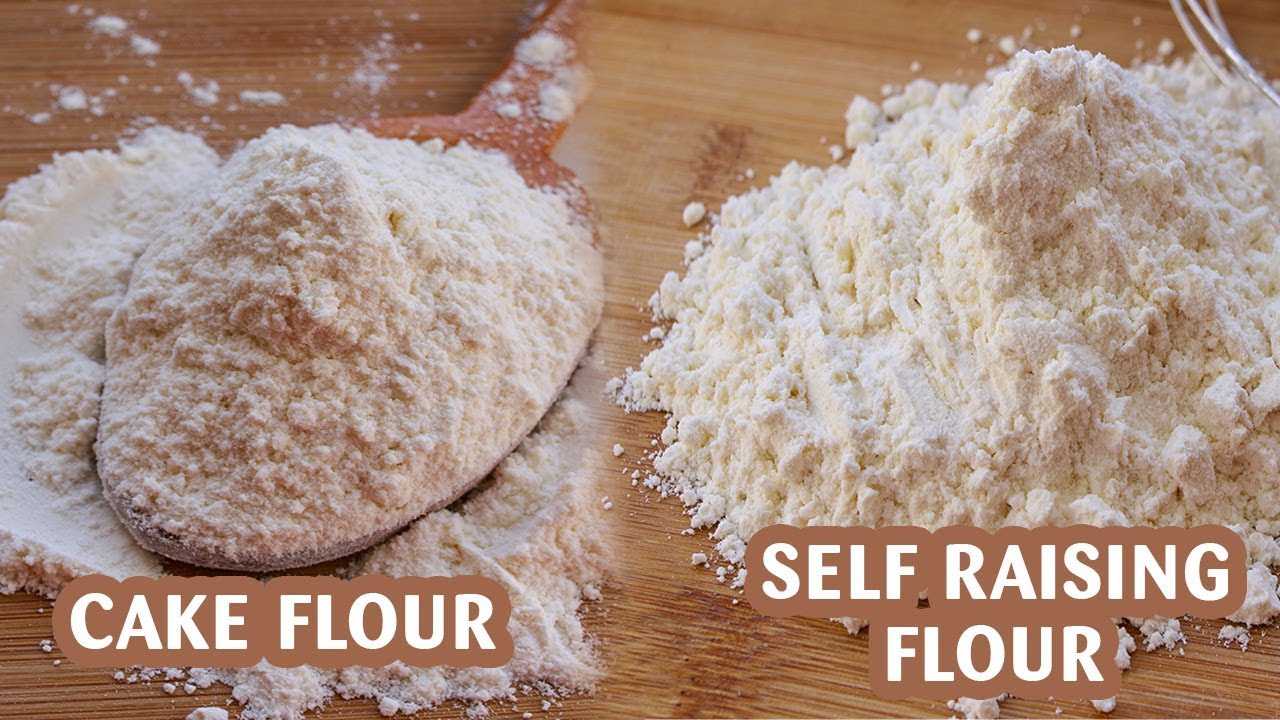 Homemade Cake Flour | Self Raising Flour Recipe | How To Make Cake
So, to sum it all up before we take the last bite: cake flour = soft, fine, no raising agents, designed for delicacy. Self-raising flour = all-purpose with built-in lift, designed for ease. They are friends, sure, but they are not interchangeable without a little rule-bending.
The next time someone confidently tells you they're the same, smile, take a sip of coffee, and Casually, gently, remind them otherwise. No one gets to be wrong about flour in your kitchen — not on your watch!
Baking is all about understanding your ingredients and having fun with them. So grab your flour, pick your player, and bake something that makes you genuinely grin. Because at the end of the day, every slice you make — whether it's tender and fancy or quick and easy — is proof that you're creating something beautiful. And that, my friend, is absolutely worth celebrating. 🎉

