Is Braunschweiger Good For You

Welcome, curious eaters and adventurous snackers! Today, we’re diving into a topic that might make you scrunch your nose or lick your lips: Braunschweiger. This creamy, spread...
Welcome, curious eaters and adventurous snackers! Today, we’re diving into a topic that might make you scrunch your nose or lick your lips: Braunschweiger. This creamy, spreadable liver sausage often gets a bad rap, but it’s actually a secret powerhouse of nutrition and flavor. Whether you’re a lifelong fan or a total newbie, exploring whether Braunschweiger is good for you is both fun and helpful—because who doesn’t want to turn a humble, old-school deli meat into a superstar ingredient? Prepare to learn how this underdog can boost your energy, satisfy your cravings, and even surprise your taste buds.
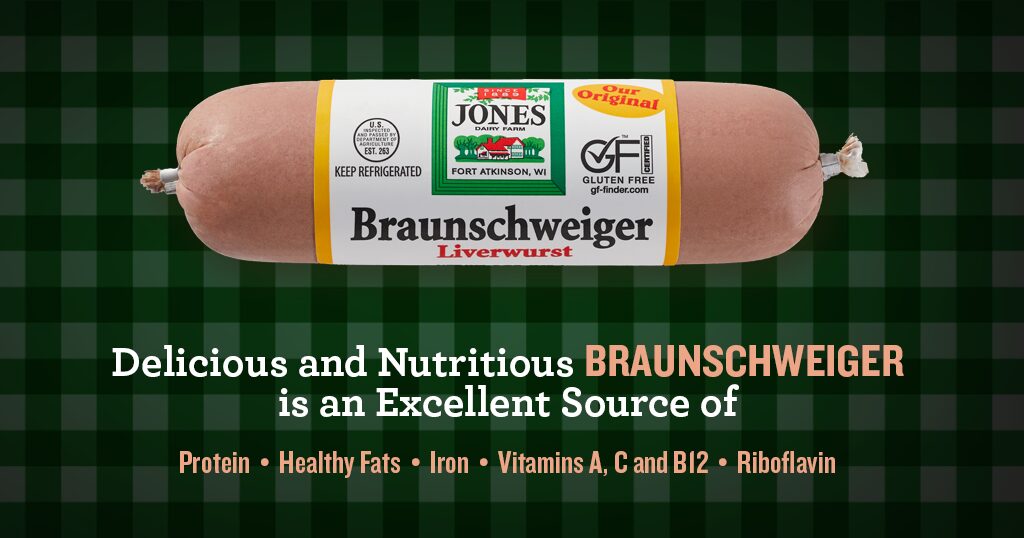
So, what’s the deal with Braunschweiger? Its main purpose is being a convenient, tasty protein source that requires zero cooking. Made from pork or beef liver, pork fat, and a blend of spices like onion, nutmeg, and coriander, it’s essentially a smooth, spreadable pâté. The advantages are surprisingly bold: it’s packed with iron, which helps prevent fatigue, and vitamin A, which supports your vision and immune system. A single serving can provide nearly half your daily B12 needs, keeping your nerves and red blood cells happy. In a world of ultra-processed foods, Braunschweiger offers a nutrient-dense option that doesn’t require a chef’s hat—just a knife and a cracker.
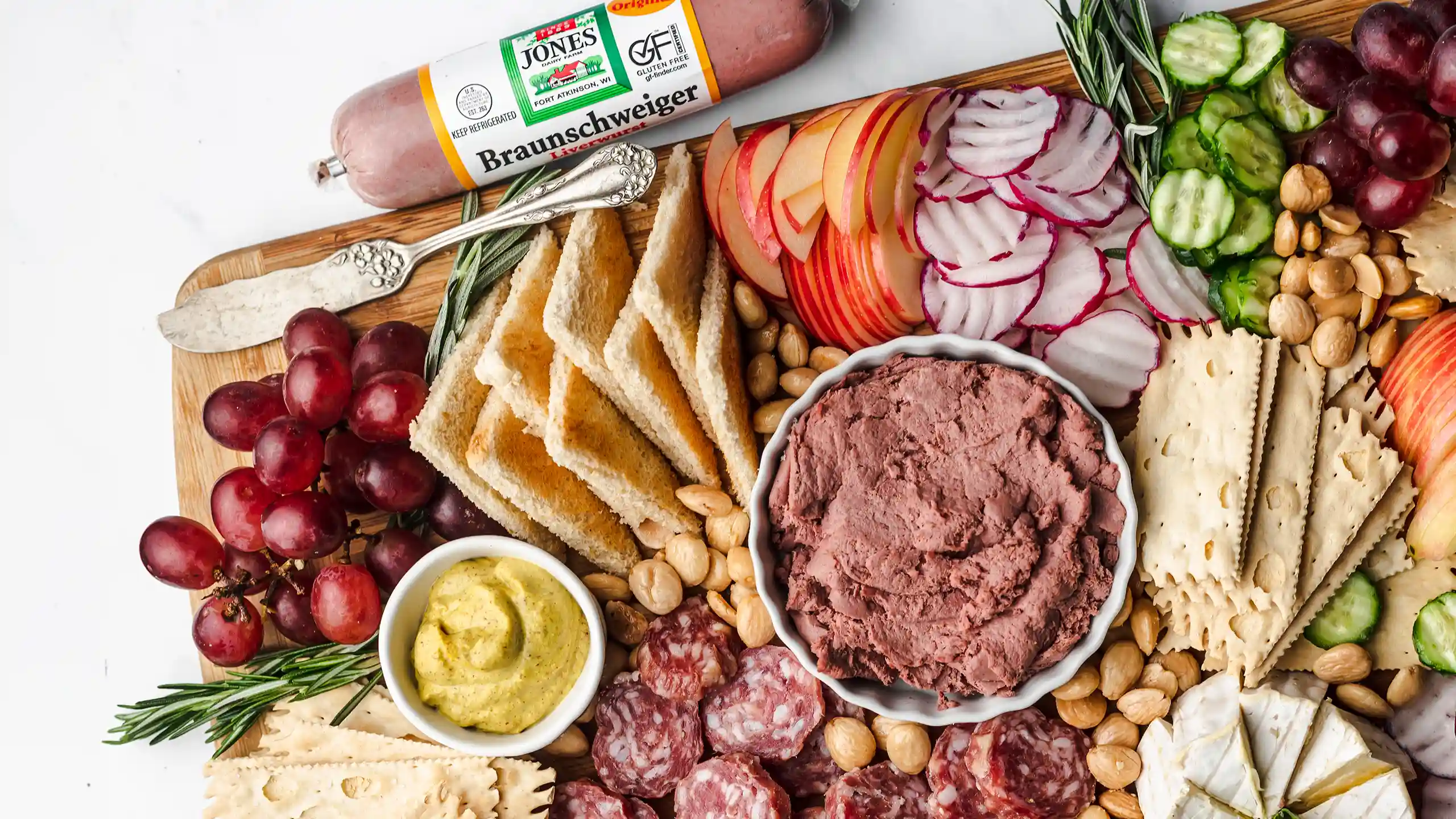
But wait—is it actually healthy? Let’s get creative with examples. Imagine a post-workout slump: you could reach for a protein shake, or you could spread some Braunschweiger on a whole-grain rice cracker with pickled red onions. The liver’s natural iron helps oxygenate your muscles faster, while the fat keeps you full. Or picture a busy parent trying to feed a picky toddler: mixing a tiny smear of Braunschweiger into cream cheese creates a dip for veggie sticks—carrots, bell peppers, or celery—that masks the organ-meat taste while sneaking in zinc and copper. For a grown-up twist, try it on a charcuterie board with fig jam and sharp cheddar; the sweetness cuts the richness, making each bite a balanced, protein-packed treat.
Must Read
Here’s the real talk: you can’t ignore the downsides. Braunschweiger is high in saturated fat and sodium, which means moderation is key. A typical serving (about two ounces) has around 4-5 grams of saturated fat and 400-500 mg of sodium—about one-third of your daily limit. Plus, liver products contain high levels of preformed vitamin A (retinol), which can be toxic in large amounts if you binge on it daily. The trick is to treat it as a condiment, not a main course. Think of it like bacon: a little adds deliciousness and nutrients, but eating a whole block could backfire. The good news? For most people, two servings per week are totally safe and beneficial.
Now, practical advice for first-timers: start small. Buy a high-quality brand from a butcher or specialty store—look for one with minimal fillers and no artificial flavors. Spread a thin layer (about a tablespoon) on a plain cracker or cucumber slice. If you’re nervous about the taste, pair it with something acidic like cornichons or apple slices—the acidity balances the liver’s earthiness. Another tip: let it come to room temperature before eating; the texture becomes creamier and the spices bloom. You can even warm it gently in a pan for a quick, savory sauce to pour over roasted vegetables or steamed greens—it’s like instant gravy with built-in vitamins.
 Whipped Braunschweiger with Ricotta Dip | Jones Dairy Farm
For those who want to go deeper, try these easy recipe ideas that make Braunschweiger shine. First, the ‘Retro Lunchbox’: layer a slice of rye bread with Braunschweiger, Dijon mustard, and shredded lettuce—a 1970s classic that’s actually genius. Second, the ‘Protein Power Balls’: mix half a cup of Braunschweiger with cream cheese, chopped pecans, and a dash of smoked paprika, then roll into bite-sized balls—perfect for party platters. Third, a ‘Liver Lover’s Omelet’: whisk two eggs, pour into a hot pan, and dot small bits of Braunschweiger before folding—serve with hot sauce. Each option turns that mystery meat into a culinary star without overloading on fat or sodium.
Ultimately, the verdict is: yes, Braunschweiger can be good for you—if you respect it. It’s not an everyday food, but it’s a fantastic tool for boosting specific nutrients like iron, B12, and copper, especially for people who struggle with anemia or need a quick, high-quality protein. The key is to choose quality brands, watch your portion sizes, and balance it with fresh, fiber-rich foods like vegetables, fruits, or whole grains. So go ahead, give that humble tube of Braunschweiger a second glance. It might just become the surprising hero of your snack drawer—rich in flavor, history, and real, body-friendly benefits. Enjoy the journey!