Is Beef Consomme And Beef Broth The Same

Welcome to the deliciously confusing world of soup and stock! If you’ve ever stood in the soup aisle, scratched your head, and wondered, “Is beef consommé the same as beef bro...
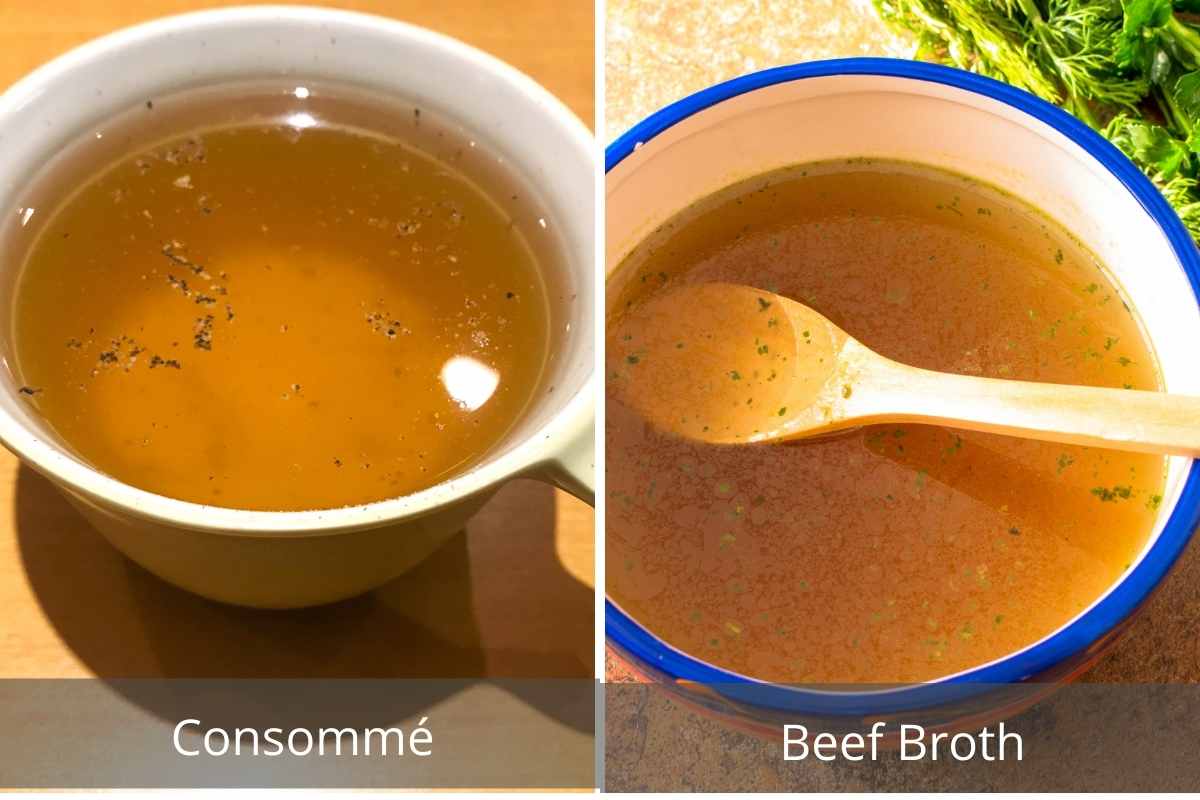
Welcome to the deliciously confusing world of soup and stock! If you’ve ever stood in the soup aisle, scratched your head, and wondered, “Is beef consommé the same as beef broth?”—you are not alone. This is one of the most common kitchen mix-ups, and figuring it out is like unlocking a secret level in cooking. Knowing the difference doesn’t just make you sound fancy at dinner parties; it transforms your cooking. Beef broth is your trusty everyday ally for soups and stews, while consommé is its polished, crystal-clear cousin perfect for impressing guests or starting a meal with elegance. The best part? Once you grasp these two, you’ll adjust recipes with confidence, save money, and even wow your family with a dish that looks like it came from a five-star restaurant.
Let’s start with the basics. Beef broth is a humble, no-fuss liquid made by simmering beef, bones, and often vegetables (like carrots, onions, and celery) in water for a few hours. It’s hearty, savory, and a little cloudy because it contains tiny bits of fat and protein. Think of it as the comfort food of liquids—it’s what you use for a cozy bowl of vegetable soup or to deglaze a pan for gravy. Beef broth is forgiving: you can simmer it on a weekday, freeze it, and use it as a base for almost anything. Now, beef consommé is broth’s ambitious, glamorous sibling. It starts as a rich stock, but then it undergoes a magical process called clarification. A mixture of egg whites, ground beef, and vegetables (called a “raft”) is stirred into the stock. As it heats, the raft coagulates and floats to the top, trapping all the impurities and fats. The result? A deeply flavorful, velvety, and crystal-clear liquid that’s often served on its own as a sophisticated appetizer or used in dishes demanding pristine clarity, like a classic French onion soup without the cloudiness. In short: broth is your everyday hero; consommé is the star of a special occasion.
Here’s where it gets creative—and fun! Imagine you’re making a rich, beefy French onion soup. If you use regular beef broth, you’ll get a delicious, traditional version: dark, savory, and a little murky. That’s wonderful for a casual dinner. But if you use consommé, the soup becomes a showstopper. The broth will be so clear you can see the melted Gruyère cheese floating like a golden island. This clarity isn’t just for looks—it also means the flavor is incredibly concentrated and refined. Another playful idea: consommé can be served chilled as an elegant summer starter, often garnished with tiny herb leaves or diced tomatoes. Or try this: add a spoonful of sherry or Madeira wine to a warm consommé just before serving—it creates a complex, nutty aroma that plain broth can’t match. For a party trick, pour hot consommé over a raw egg yolk in a bowl; the heat will gently poach the yolk, making a silky, luxurious soup that wows guests instantly.
Must Read
Now, let’s talk practical advice. If you’re shopping, check the labels carefully. Store-bought beef broth is often labeled as “broth” or “stock,” and it’s usually salted, so go easy on the extra salt. Canned consommé (like the classic Campbell’s brand) is widely available and perfectly fine for home cooking, but it’s very concentrated—you might want to dilute it with water to avoid an overly salty result. A pro tip: never substitute consommé for broth without adjusting seasoning, because consommé has a richer, more intense flavor. For instance, if a recipe calls for 4 cups of broth, using consommé might overpower the dish. Start with half consommé and half water, then taste and adjust. Also, consommé sets into a jelly-like texture when chilled (thanks to natural gelatin), while broth stays liquid. This makes consommé fantastic for making jellied appetizers or terrines—something broth can’t do as elegantly.
 Can beef consommé be substituted for beef broth? Know the differences
What if you want to try making your own? It’s easier than you think, and it’s a great weekend project. Start with a good homemade beef stock (or a high-quality store-bought one). To clarify it into consommé, whisk 2–3 egg whites with a little water and a pound of lean ground beef. Stir this mixture into your cold stock, then slowly bring it to a simmer. Do not stir once it starts simmering! The egg whites will form a crusty “raft” on top. Let it bubble gently for 30–45 minutes, then carefully ladle the clear liquid through a cheesecloth-lined strainer. What comes out is pure gold—clear, flavorful, and utterly satisfying. The best part? You get to use the leftover cooked beef and vegetables for a quick hash or pasta sauce. Two dishes from one effort—that’s a win-win.
Finally, a quick myth-buster: some people think consommé is “just broth without fat,” but that’s not accurate. Consommé is actually richer in flavor because it’s made from a stronger stock and the clarification process concentrates its taste. It’s also more expensive to buy, which is why knowing the difference helps you decide when to splurge. For everyday cooking—like making chili, simmering lentils, or adding moisture to meatloaf—stick with broth. It’s affordable and versatile. For recipes where clarity and depth matter, like a consommé with dumplings, a clear aspic for a terrine, or a refined sauce, go for consommé. In the end, both are beautiful in their own ways. Think of broth as your reliable friend and consommé as the one who dresses up for dinner. Now go forth and soup with confidence—no more confusion!
