Is Almond Production Bad For The Environment

Have you ever stopped mid-sip of your almond latte and thought, "Wait... how does this all actually work?" You're not alone. Almonds are everywhere — in your milk, your butter...
Have you ever stopped mid-sip of your almond latte and thought, "Wait... how does this all actually work?" You're not alone. Almonds are everywhere — in your milk, your butter, your granola bar — and the story behind them is more interesting than you might think.
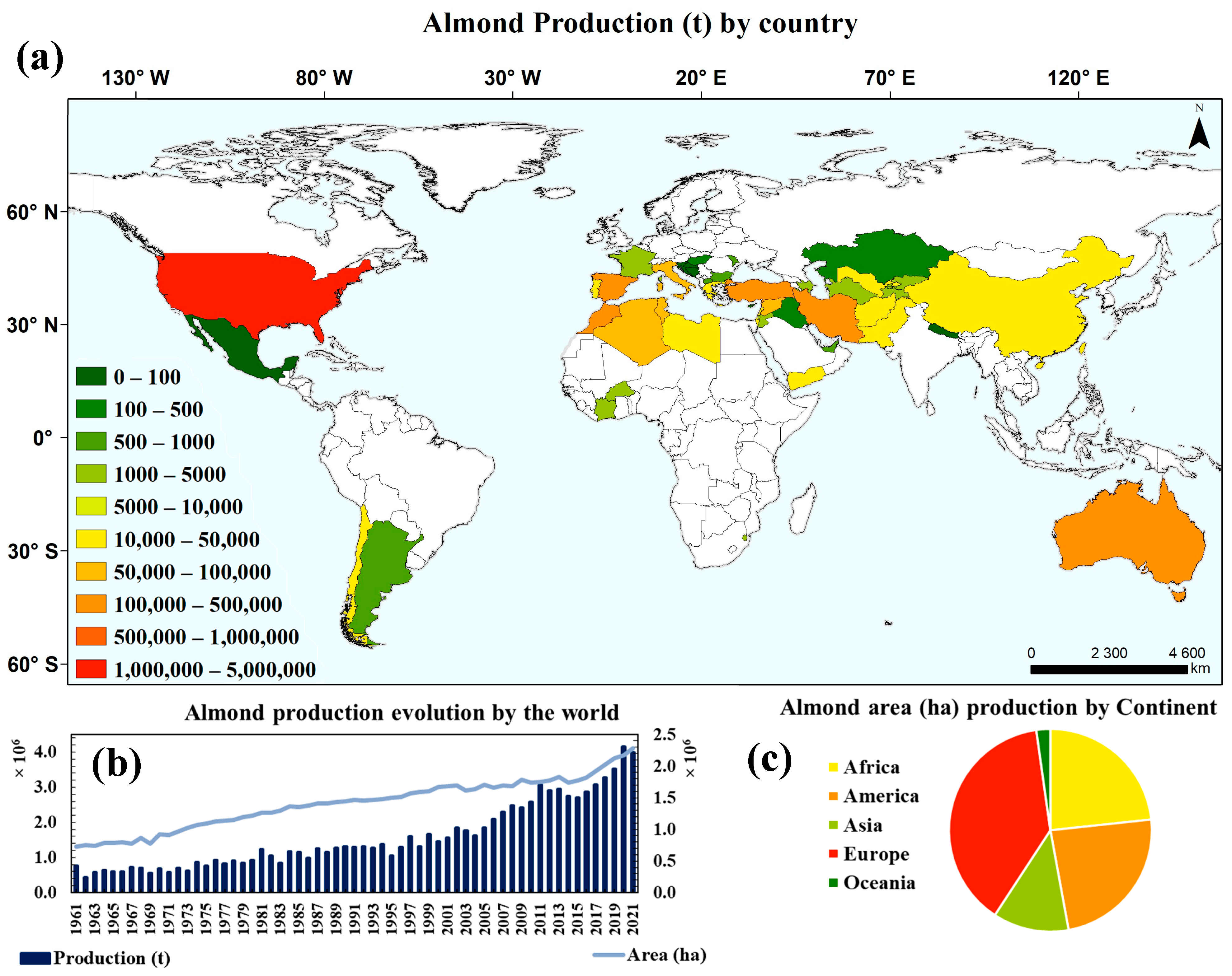
Almond production has quietly become one of the biggest agricultural games on the planet, especially in California. The Golden State grows roughly 80% of the world's almonds, which is honestly kind of wild. But there's a growing conversation about whether all those trees are really doing our planet any favors.
The Water Question
Let's start with the big one: water. It takes about 1.1 gallons of water to produce a single almond, which sounds tank-like when you think about billions of nuts. With California sometimes drowning in wildfires and droughts back-to-back, people are asking some fair questions.
Must Read
But here's where it gets interesting — producing a pound of beef can use over 1,800 gallons of water. That puts almonds in perspective, right? It's like comparing a splash from a garden hose to a full-blown swimming pool.
Still, California's almond trees use around 20% of the state's agricultural irrigation during their peak season. That's a real number, and it really does matter when the state is thirsty.
Bee Business
Here's something cool that might surprise you: almonds are basically the ferry service for honeybees around the country. Every February and March, millions of beehives get trucked to California orchards to do their pollination thing. It's like a massive, buzzing road trip across America.
 Is almond milk bad for the environment?
But this kind of bee hustle comes with costs. Studies show that long-distance bee transport can stress colonies and even spread disease among our fuzzy little pollinators. So while almonds depend on bees, they might also be taking a toll on bee populations along the way.
Cleaner Than You Think?
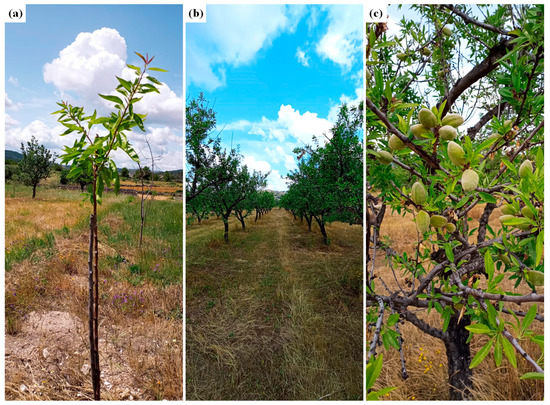
Now, before we write almonds off as the villain, let's get curious for a second. Almond orchards are perennial crops, meaning the trees stay put for decades and can actually store carbon in the soil. That's way different from row crops like corn or wheat, which get replanted every single year and churn up the dirt.
Almond trees also produce oxygen, prevent soil erosion, and can support biodiversity if managed well. Some farmers are even using cover crops and drip irrigation to cut down on waste and boost soil health. Progress doesn't always make headlines, but it's happening.
Also, almond shells — what most people toss without thinking — can be turned into biofuel, mulch, or animal bedding. So the tree actually gives us more than just snackable protein. Nature is pretty efficient when we let it be.
 Reviewing the Adverse Climate Change Impacts and Adaptation Measures on
The Scale of It All
Since 2000, almond acreage in California has more than doubled, thanks to your appetite for plant-based proteins. The industry is worth over $10 billion annually and supports hundreds of thousands of jobs. That's a lot of economic muscle behind a tiny, crunchy nut.
But rapid growth always means trade-offs, and sometimes the environment takes the short end of the stick. When demand skyrockets, farms expand, water usage climbs, and ecosystems get squeezed.
So is almond production "bad?" Well, it's more like a complicated relationship — kind of like dating someone who's really fun but leaves wet towels on the floor. You enjoy the good stuff, but you also know there's room for improvement.
 Agriculture | Free Full-Text | Progress in Almond Quality and Sensory
What Can We Actually Do?
If you love almonds but want to tread lighter, there are some simple moves. Try buying from smaller, sustainable farms and look for labels that reflect better water and soil practices. Every bag you choose can nudge the market in a friendlier direction.
Another idea: mix it up. You don't have to pick sides in the milk wars — just explore oat, hemp, or cashew as a fun alternative. Variety is always the answer when things get too heavy.
The truth is, no single food is perfect, and almonds are no exception. But the fact that we're even having this conversation shows how far the ask-questions-first movement has come. And honestly? Asking questions is always way cooler than pretending everything's fine.
So next time you push a carton to the back of the fridge, give a little thought to the tree it came from. It gardened for years, hosted thousands of bees, and did its best to keep the world a little greener. You could say almonds are a bit of a crunchy paradox — imperfect, but not a total villain either.
