Is All Purpose Flour Self Rising Flour

Flour is one of the most versatile and widely used ingredients in kitchens around the world. From fluffy pancakes to golden-brown bread, it forms the foundation of countless r...

Flour is one of the most versatile and widely used ingredients in kitchens around the world. From fluffy pancakes to golden-brown bread, it forms the foundation of countless recipes that families share every day. Yet despite its simplicity, a common question often causes confusion among home cooks: Is all purpose flour the same as self rising flour? Understanding the difference can save you from a flat biscuit or a dense cake and help you choose the right ingredient for every recipe.
The short answer is no, all purpose flour is not self rising flour, although they may look similar when you open the bag. All purpose flour is simply milled wheat flour with no leavening agents added. Its primary purpose is to serve as a neutral base in baking, allowing the cook to control exactly how much rising power is needed. Self rising flour, on the other hand, already contains leavening agents such as baking powder and sometimes a small amount of salt, making it a convenient all-in-one option for certain recipes. The key distinction lies in these added ingredients that self rising flour carries into your mixing bowl.
The benefits of knowing this difference become clear in everyday scenarios. Imagine you are following a recipe for Southern-style biscuits, and the ingredient list calls for self rising flour. If you accidentally substitute all purpose flour, your biscuits will come out flat and heavy because there is nothing to make them rise in the oven. Conversely, if a recipe specifies all purpose flour and you use self rising flour instead, your baked goods may taste slightly salty or rise too much, leading to an airy and uneven texture. This simple knowledge ensures that every loaf, muffin, and pie crust you make meets the quality you expect.
Must Read
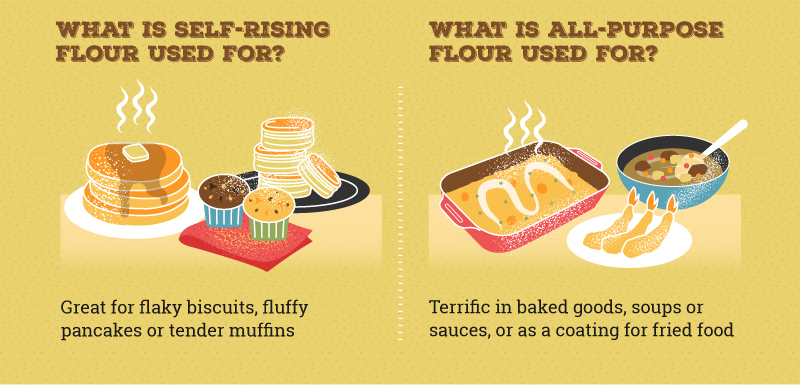
There are practical benefits to keeping both types of flour in your pantry. All purpose flour works well for thickening sauces, coating proteins before frying, and preparing bread dough where you add yeast separately. Self rising flour shines in quick breads, pancakes, and scones, where you want fast results without fussing over separate leavening measurements. Many experienced bakers also appreciate that having the right flour on hand reduces last-minute trips to the grocery store and streamlines their cooking routine altogether.
 What You Need to Know About Flour | Are all flour types the same?
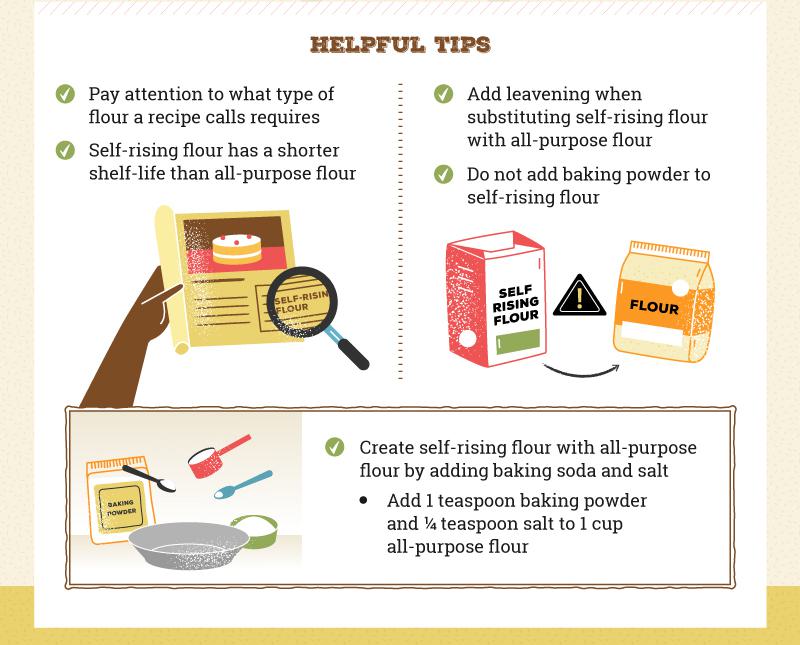
Another important point to consider is that not all self rising flours are created equal. The ratio of baking powder to flour can vary slightly between brands, which sometimes affects the final result. Some manufacturers also pre-mix salt into the blend while others leave it out, so it is always wise to read the label carefully before starting a recipe. If you only have all purpose flour available, you can easily create a self rising substitute by adding one and a half teaspoons of baking powder and a quarter teaspoon of salt for every cup of flour. This quick fix keeps your recipe on track without a shopping detour.
For readers who want to explore this topic further, a few simple tips can help you build confidence. First, label your flour containers clearly when you transfer them into storage jars to avoid accidental swaps. Second, try a side-by-side test bake using both flours in the same recipe so you can taste and see the difference firsthand. Finally, keep a small notebook of baking notes where you record which flour worked best for each dish. Over time, these habits turn basic ingredient knowledge into intuitive baking skill, making every meal a little more reliable and enjoyable.