Is All Purpose And Self Rising Flour The Same

Flour is one of the most beloved and versatile ingredients in kitchens around the world. From fresh-baked bread to delicate pastries, it serves as the foundation for countless...

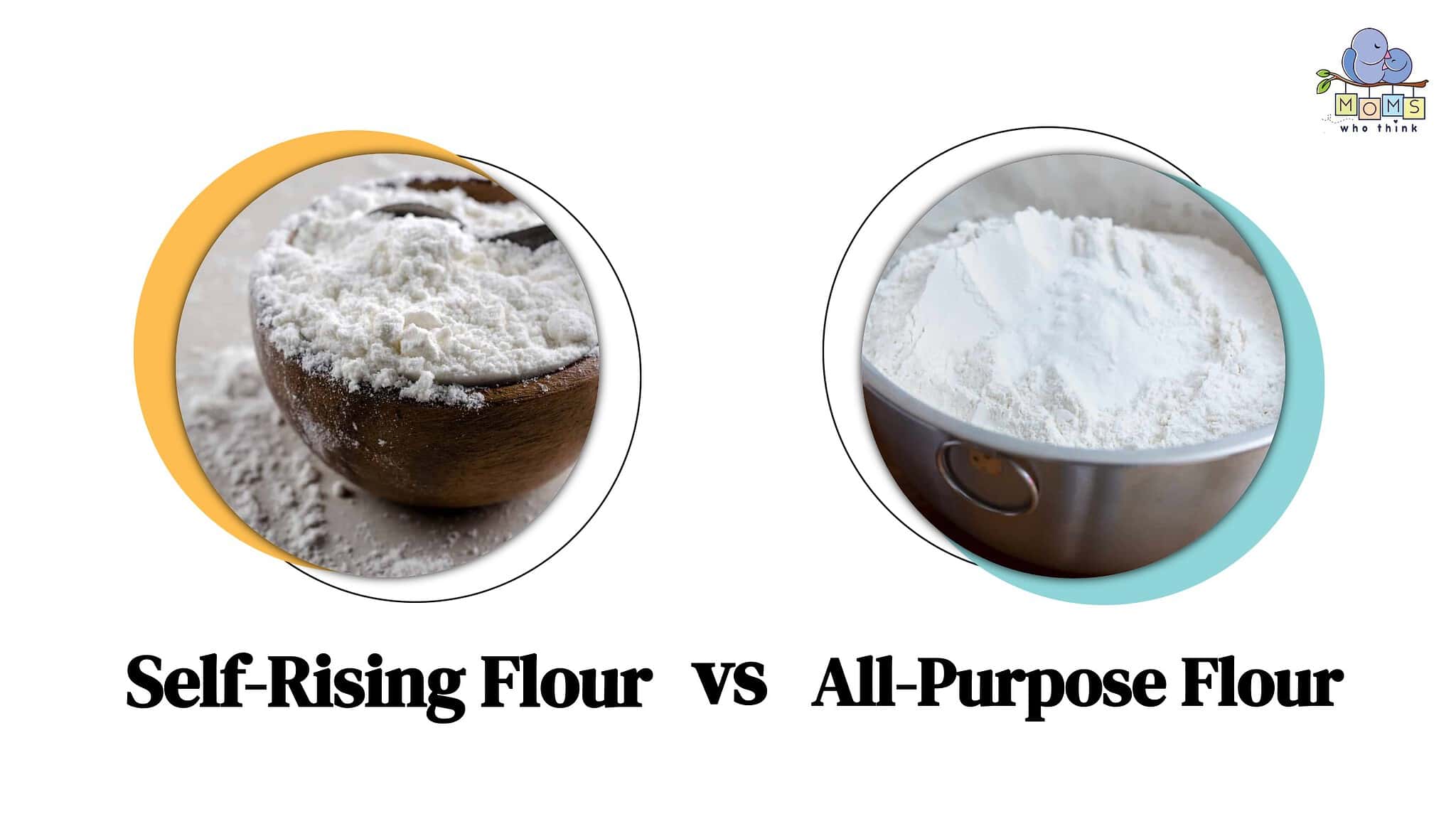
Flour is one of the most beloved and versatile ingredients in kitchens around the world. From fresh-baked bread to delicate pastries, it serves as the foundation for countless recipes that bring families together. Among the many types available, all purpose flour and self rising flour are two of the most commonly purchased options. Many home cooks wonder whether these two types are interchangeable, and the answer can make a real difference in the quality of your baked goods.
The key purpose of all purpose flour lies in its remarkable versatility. It is a medium-protein flour that works well in almost any recipe, from cookies and cakes to sauces and gravies. However, all purpose flour contains no rising agents, which means it relies entirely on the cook to add baking powder or baking soda when a chemical leavening reaction is needed. This gives the baker full control over how much lift and texture is added to a dish.
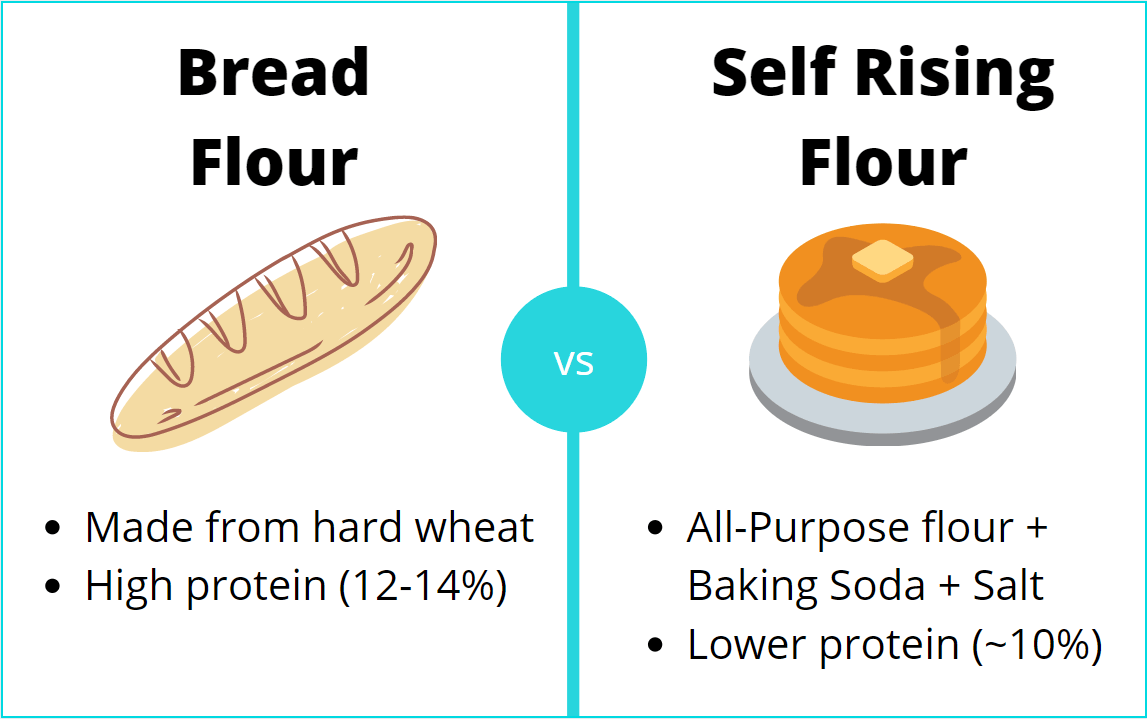
Self rising flour, on the other hand, is specifically designed for convenience. It is essentially all purpose flour that has been pre-mixed with baking powder and a small amount of salt. This combination means the flour already contains its own leavening system, so it will cause doughs and batters to rise without any additional ingredients. For everyday life, this can be an enormous time-saver when you are whipping up biscuits, pancakes, or quick breads on a busy morning.
Must Read
These two flours are not the same, and using one in place of the other without adjusting your recipe can lead to disappointing results. Imagine you are following a biscuit recipe that calls for all purpose flour and baking powder. If you substitute self rising flour without removing the original baking powder, you will end up with an excess of leavening agent. The result could be biscuits that taste bitter, rise too quickly, and then collapse before they finish baking. Conversely, using all purpose flour in a recipe designed for self rising flour will produce flat, dense baked goods that lack the desired lightness.
The benefits of understanding the difference extend beyond just avoiding mistakes. When you know which flour to pick, you gain a deeper appreciation for how ingredients interact in baking. This knowledge helps you become a more confident cook who can adapt recipes to whatever is available in the pantry. It also allows you to control your intake of sodium, since self rising flour already contains salt and many recipes add more on top.
 Self Rising Flour All Purpose Flour Conversion | Detroit Chinatown
Here are a few simple tips to help you explore this topic on your own: First, always read your recipe carefully and confirm which type of flour it specifies before you begin. Second, if you only have one type of flour at home, practice making substitutions using online conversion guides so you understand the ratios. Third, experiment by preparing the same recipe twice, once with each flour type, and compare the texture and rise side by side. Finally, store your flour in a cool, dry place and check the labels to ensure the baking powder in self rising flour is still fresh.
Ultimately, while all purpose flour and self rising flour may look identical in the bag, they serve distinctly different roles in the kitchen. All purpose flour gives you total control and flexibility, while self rising flour cleverly streamlines the baking process with its built-in leavening agents. Recognizing this difference is a small but powerful step toward better baking and more enjoyable meals every day.