Is A Paper Towel Absorbing Water A Chemical Change

So, you’re standing in your kitchen, coffee cup in hand. You accidentally spill a little water on the counter. You grab a paper towel, blot it up, and toss it in the trash. B...
So, you’re standing in your kitchen, coffee cup in hand. You accidentally spill a little water on the counter. You grab a paper towel, blot it up, and toss it in the trash.
But then a weird thought hits you: Was that a chemical change? Did I just witness a tiny science experiment? Or was it just good old-fashioned physics doing its thing?
It’s a surprisingly tricky question, right? Let’s break it down together. No lab coats required.
Must Read
The quick, no-fuss answer
Nope. A paper towel absorbing water is not a chemical change. It’s a physical change.
Think of it like this: the water and the towel are just hanging out together. They’re not becoming a brand new substance. No chemical bonds are breaking or forming in any dramatic way.
So, what is actually happening?
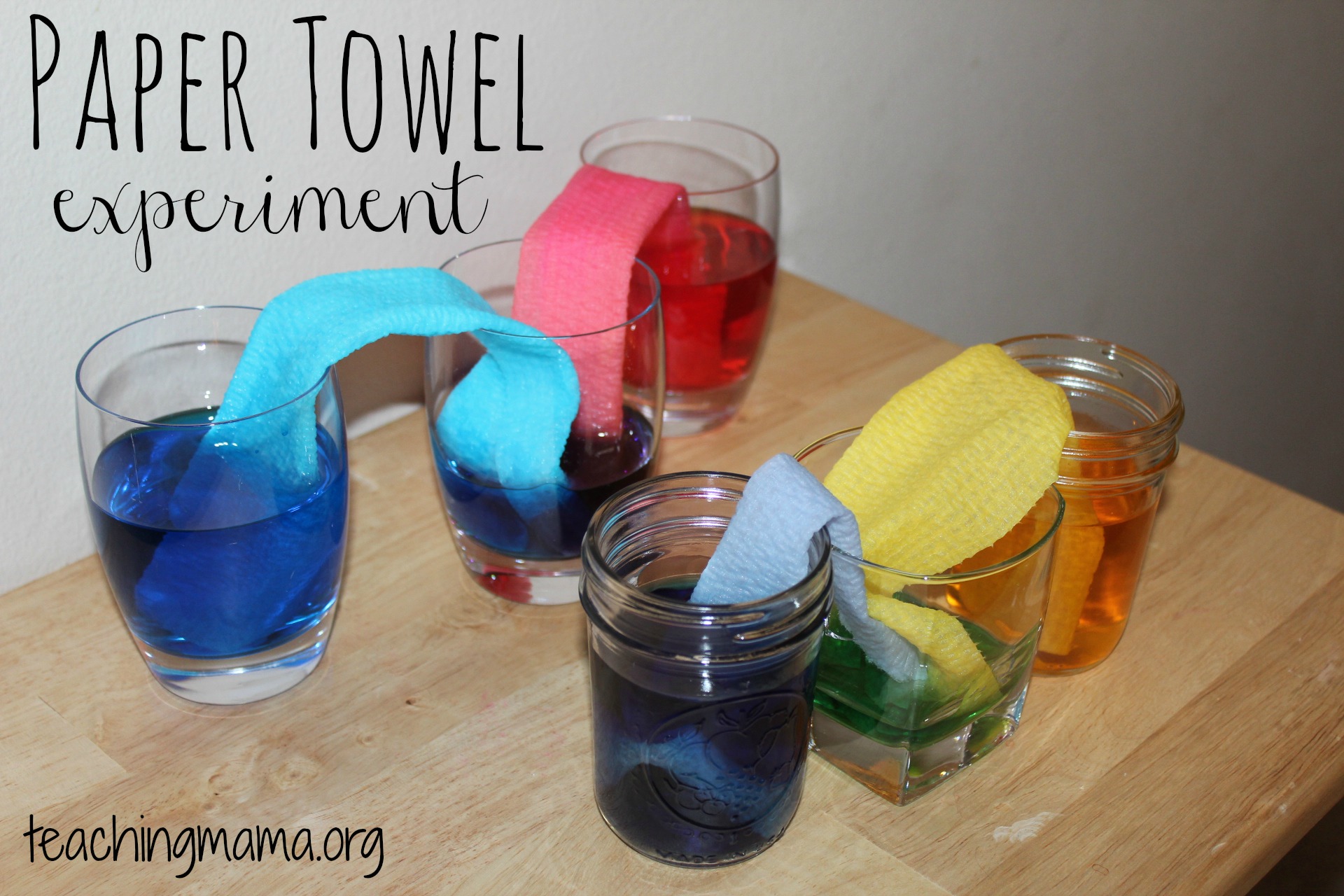
This is where the cool part begins. The towel is like a tiny, fuzzy maze. It’s made of cellulose fibers, which are basically long chains of sugar molecules.
And here’s the secret: those fibers are hydrophilic. That’s a fancy word for “water-loving.” They have a slight electrical charge that makes water molecules want to cling to them.
It’s called capillary action. The water squeezes into the tiny spaces between the fibers and gets pulled along like a little train. It’s the same magic that lets trees suck water all the way up from their roots to their leaves.
But get this: the water molecules remain water molecules. And the cellulose fibers remain cellulose fibers. They’re just holding hands for a little while.
Let’s talk about what a chemical change actually looks like
You know a chemical change when you see sparks fly—or at least see a color change, smell a new odor, or feel a temperature shift. Think about burning a piece of wood.
When wood burns, it turns into ash, smoke, and gases. You cannot un-burn that wood. The molecules have been ripped apart and rearranged into totally different stuff. That’s a chemical change.
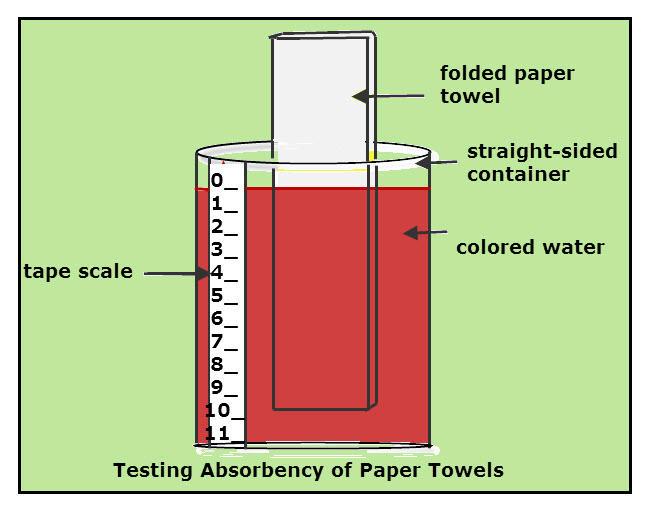 Paper Towel Brands Experiment 1920x1280
Now, compare that to your paper towel. Can you un-absorb the water? Sure! You can wring it out. You can let it dry in the sun.
Once the water evaporates, you’re left with a dry paper towel that’s exactly the same as before. A little wrinkled, maybe, but chemically identical. That’s the hallmark of a physical change—it’s reversible.
A fun little comparison: the sponge cake vs. the egg
Imagine you bake a cake. You mix flour, sugar, eggs, and milk. When you bake it, the egg proteins denature—a chemical change—and the cake fluffs up. You can’t unbake that cake back into its ingredients.
Now, imagine you dip a sponge cake into a bowl of milk. The milk gets soaked up. But the cake is still cake, and the milk is still milk. You could technically squeeze it out.
Your paper towel is that sponge cake. It’s just a very thirsty, flat, and boring version of one.
Why does this even matter?
Honestly? It’s a great party trick for your brain. Once you learn to spot the difference between physical and chemical changes, you start seeing them everywhere.
Melting ice? Physical change. Toasting a marshmallow? Chemical change. Dissolving sugar in tea? Physical change. Your hair getting wet in the rain? Physical change.
It’s like unlocking a secret level in the video game of life. You start appreciating the quiet, humble science hiding in plain sight.
 PPT - Understanding Physical and Chemical Changes: A Guide to
The towel is a hero in disguise
Think about it: a paper towel can absorb up to 20 times its own weight in water. That’s like you carrying a refrigerator on your back without breaking a sweat.
It uses a clever combination of fiber structure, surface tension, and that water-loving chemistry we talked about. It’s not a chemical reaction, but it’s still incredibly clever.
And the best part? It does all this work for a few cents, then says, “I’m done,” and lets you throw it away. A true, humble workhorse.
But here’s a twist: what about the slight swelling?
You might be thinking, “But the paper towel gets bigger and softer when wet. Isn’t that a change?” You’re sharp! And you’re right that the physical shape changes.
That swelling is just water molecules wedging themselves between the fibers, spreading them apart. It’s like stuffing a sleeping bag into a stuff sack—the bag changes shape, but it’s still the same bag.
No new molecules are born here. No chemical bonds are snapping or forming. It’s all just a very cozy, temporary rearrangement.
So, the final, chill verdict
The next time you wipe up a spill, you can smile and know the truth. You’re witnessing capillary action in its purest, most practical form.
It’s a physical change, plain and simple. And that’s not a boring answer—it’s actually kind of beautiful. It means the water and the towel are just having a brief, friendly interaction.
No drama. No permanent commitment. Just a little soak, a little clean-up, and a little everyday magic. Don’t you love it when science is so… ordinary?
