Internal Temperature Of Salmon

Welcome to the wonderfully forgiving world of cooking salmon, where a simple kitchen thermometer can be your best friend and the difference between a sad, dry filet and a lusc...
Welcome to the wonderfully forgiving world of cooking salmon, where a simple kitchen thermometer can be your best friend and the difference between a sad, dry filet and a luscious, flaky masterpiece. You might think nailing the perfect salmon is a high-stakes game reserved for professional chefs, but the truth is far more fun and liberating. The internal temperature of salmon is your secret shortcut to confidence. Forget guesswork, timing anxiety, and poking your fish a hundred times. By understanding just a few numbers, you unlock the power to serve restaurant-quality fish every single time. This isn’t about being a perfectionist—it’s about giving yourself the easiest, most delicious advantage in the kitchen.
The purpose of tracking salmon’s internal temperature is simple: it tells you exactly when the fish is ready, removing all mystery. The advantages are huge. You avoid the tragedy of overcooked salmon, which turns from juicy to chalky and unappealing. You also eliminate the fear of undercooking, which can make the texture unpleasantly raw. With a thermometer, you get perfectly translucent, moist flakes that slide apart with a gentle fork. This tool gives you control over your preferred doneness—whether you like it silky and medium-rare or fully set and well-done. It’s the difference between hoping for the best and knowing you’ve nailed it.
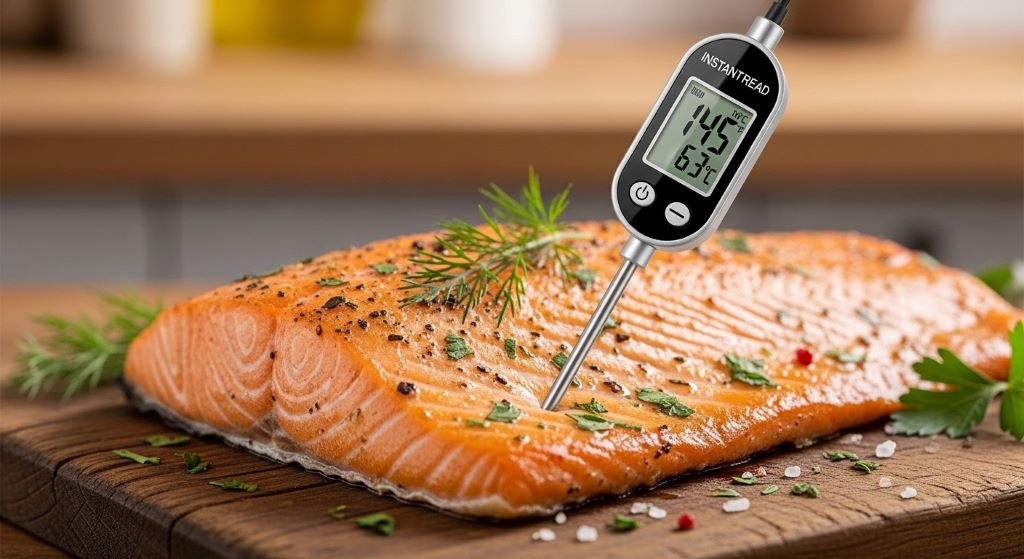
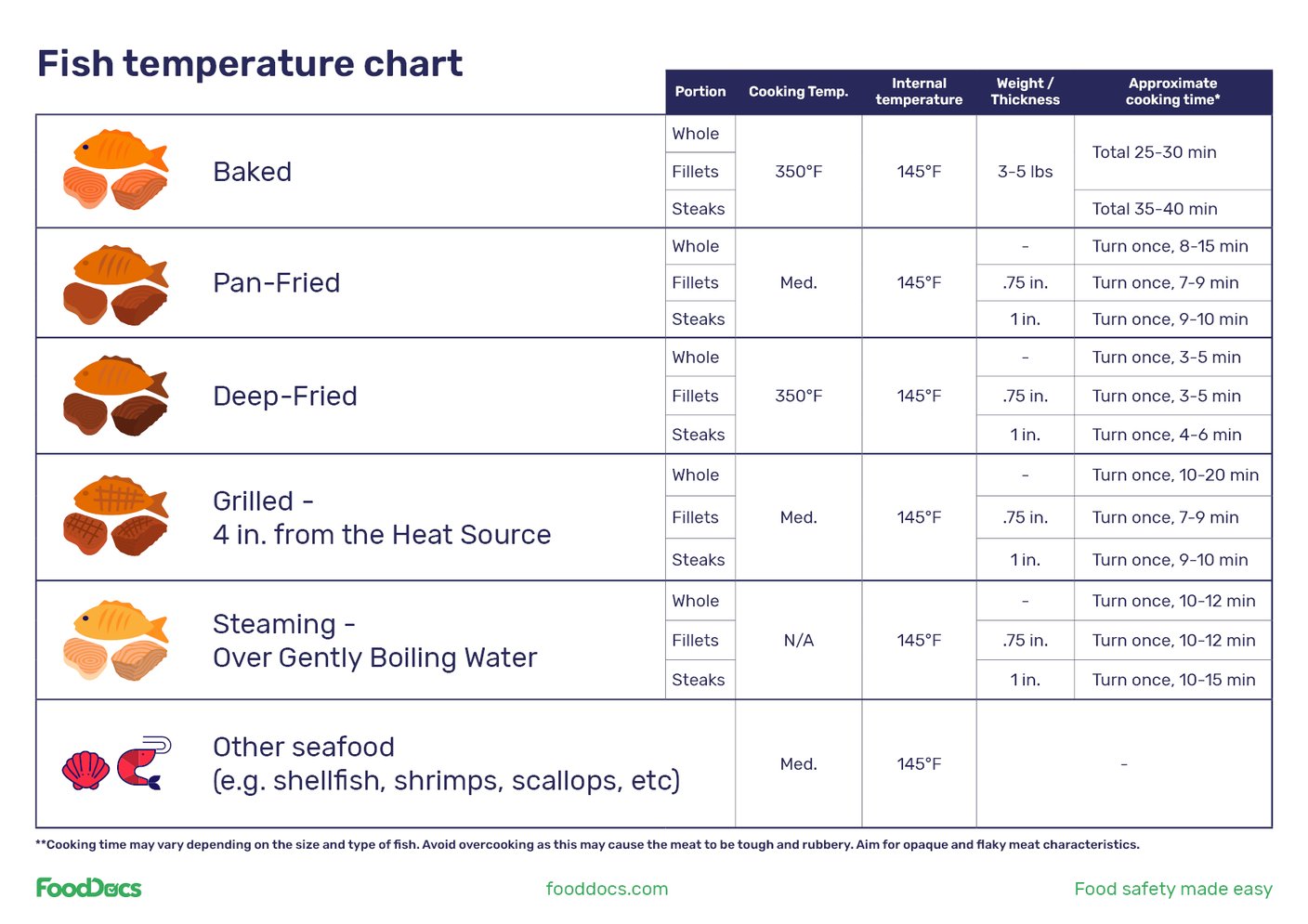
Now, let’s get into the numbers, because that’s where the fun really begins. The USDA recommends cooking salmon to an internal temperature of 145°F (63°C) for food safety. But here’s the secret many chefs don’t share: at 145°F, the salmon is fully cooked and safe, but it can also be a bit dry. For a truly luxurious experience, many home cooks and pros aim for 125°F to 135°F (52°C to 57°C). This “medium” zone gives you a tender, almost buttery center that is still cooked through. A great creative idea is to pull the salmon off the heat when it hits about 120-125°F, then let it rest for five minutes. Carryover cooking will gently raise the temperature by another 5-10 degrees, landing you perfectly in the sweet spot without any stress.
Must Read
Let’s walk through a fun, real-world example: the “one-thumb rule” for thickness. Imagine you have a thick, center-cut filet—about an inch and a half thick. Instead of guessing, sear it skin-side down in a hot pan for four minutes. Then, flip it, and in the same skillet, pop it into a 400°F oven. Insert your instant-read thermometer into the thickest part of the filet (from the side, not the top). You’re looking for the magic number. While it roasts, you can even baste it with butter and garlic for extra flavor. The best part? The thermometer beeps, and you know you’re done. No more cutting into the fish to check, which releases precious juices.
Another creative trick is the “two-temperature” method for skin-on salmon. Crispy skin is a dream, but it often requires different heat than a delicate interior. Cook the salmon skin-side down over medium-high heat (around 400°F surface temperature) until the skin is crackling and releases easily from the pan. At that point, the interior might only be at 90°F. Then, finish it in a lower oven (300°F) or cover the pan and turn the heat to low, checking the temperature until it hits your target. This way, you get the best of both worlds: crunchy, salty skin and a perfectly tender, thermometer-verified center. It’s a technique that turns a simple weeknight dinner into a small culinary triumph.
:max_bytes(150000):strip_icc()/__opt__aboutcom__coeus__resources__content_migration__serious_eats__seriouseats.com__images__2016__08__20160826-sous-vide-salmon-temperature-composite-1ed132fa383e4b39b2035c12c6b71065.jpg) What Temp is Salmon Cooked To? A Guide to Get Perfectly Cooked Salmon
What Temp is Salmon Cooked To? A Guide to Get Perfectly Cooked Salmon
For practical advice, invest in a good instant-read thermometer—it’s a game-changer. When you take the salmon’s temperature, always insert the probe into the thickest part of the filet, away from bone or fat. Also, remember the carryover cooking rule: remove the salmon from heat about 5°F below your target temperature. So if you want 130°F, pull it at 125°F. Let it rest on a plate, tented with foil, for a few minutes. This resting period is not just a suggestion; it’s how you ensure the heat distributes evenly, avoiding a raw center and a dry edge. Trust the thermometer, and trust the rest.
Finally, here’s a simple tip for variety: try “temperature-gradient” salmon dishes. For a weeknight twist, cook a large salmon side and serve it with a spicy chimichurri or a creamy dill sauce. The consistent internal temp ensures every slice is perfect, making your meal look and taste incredibly polished. You can even use the same technique for salmon burgers or salmon cakes—just form them, cook them, and check the center temperature. The confidence you gain from this simple skill will make you experiment more, laugh off minor mistakes, and genuinely enjoy the process of cooking fish. So grab a thermometer, set your goals, and get ready to enjoy the most perfectly cooked salmon of your life.