Internal Temperature For Turkey Breast Done

Turkey breast is one of the most beloved centerpiece dishes for holiday gatherings, family dinners, and Sunday roasts. Its lean, tender white meat appeals to health-conscious...
Turkey breast is one of the most beloved centerpiece dishes for holiday gatherings, family dinners, and Sunday roasts. Its lean, tender white meat appeals to health-conscious eaters and comfort-food enthusiasts alike. Yet despite its popularity, cooking turkey breast perfectly remains a common challenge in many kitchens. The secret to achieving that ideal result lies in one critical factor: the internal temperature. Understanding exactly when a turkey breast is done eliminates guesswork, prevents dry meat, and ensures every bite is juicy and safe to eat.
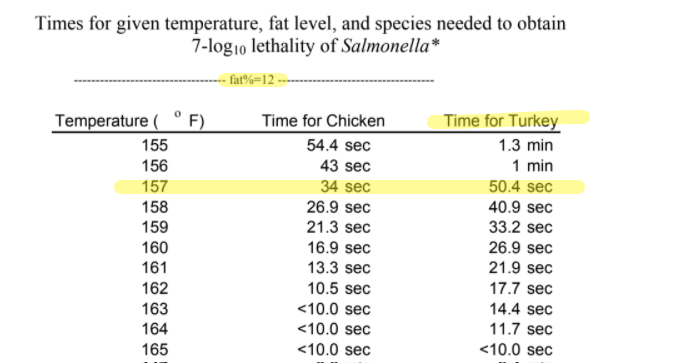
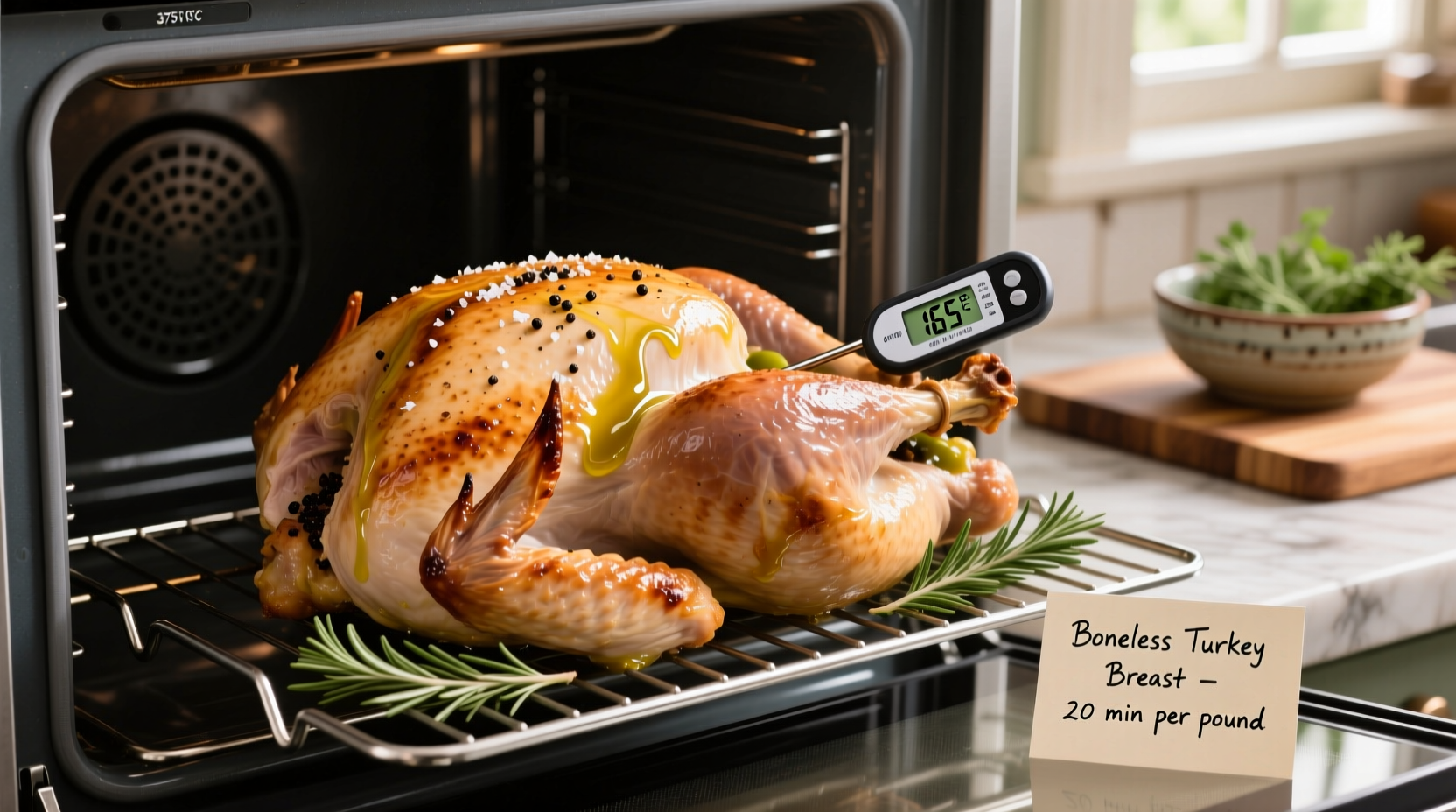
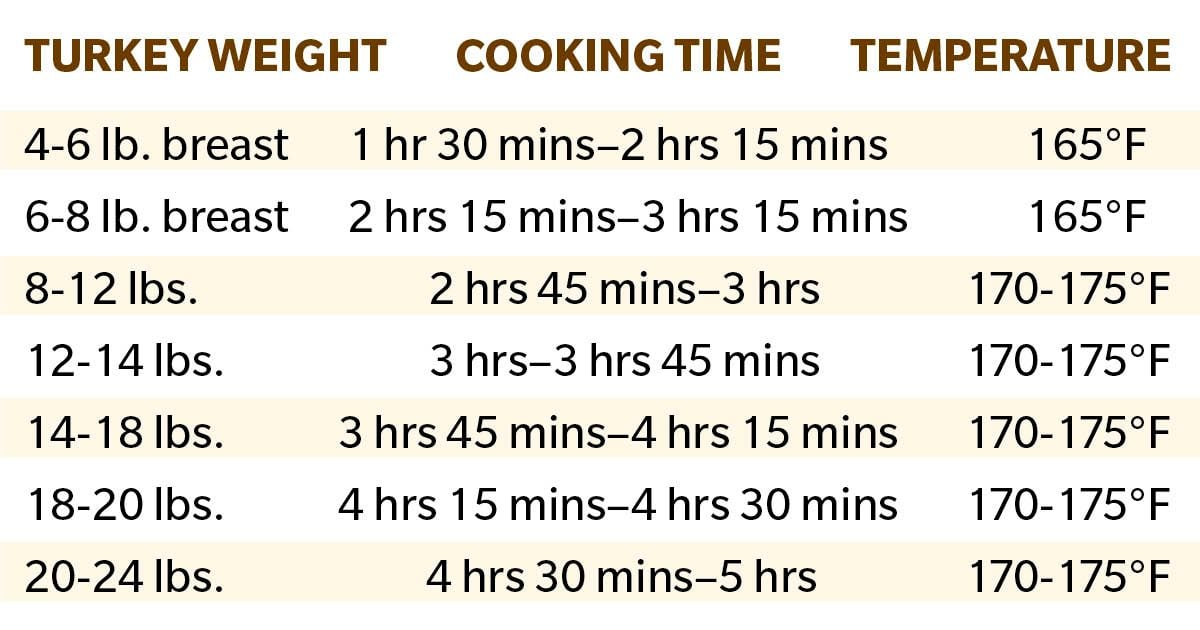
The primary purpose of monitoring the internal temperature of a turkey breast is straightforward: food safety. Raw poultry can harbor dangerous bacteria such as Salmonella and Campylobacter, which are only killed when the meat reaches a sufficient temperature. According to food safety authorities, the minimum safe internal temperature for turkey breast is 165°F (74°C). A reliable meat thermometer placed in the thickest part of the breast will confirm that the bird has surpassed this threshold. Without this simple check, even a beautifully browned turkey could remain undercooked at its core, posing a real health risk to everyone at the table.
Using an internal temperature timer offers significant benefits for everyday life beyond just safety. When you know exactly how done your turkey breast is, you gain consistency and confidence in your cooking. Every roast turns out predictably, whether you are preparing a weeknight dinner or hosting a Thanksgiving feast. This eliminates the stress of repeatedly opening the oven to check on the bird or cutting a piece off to inspect it, both of which can release heat and extend cooking time. A single thermometer reading provides instant, accurate clarity, saving time and protecting your investment in quality ingredients.
Must Read
Consider a real-world scenario many home cooks face. Imagine you have invited twelve guests for a holiday meal, and your turkey breast has been in the oven for nearly two hours. You are unsure whether it is finished and are tempted to pull it out early. If you probe the thickest part of the breast with a thermometer and read 158°F, you know the meat is close but not yet done. You give it another fifteen minutes, confirm that it has reached exactly 165°F, and remove it with full certainty. Instead of a potentially undercooked centerpiece, you present a perfectly cooked turkey breast that your guests can enjoy without worry.
 What Temperature to Bake a Turkey Breast for Juicy, Tender Results
Several simple tips will help you master internal temperature checks on your own. First, invest in a digital instant-read thermometer rather than relying on visual cues or oven timers, since cooking times vary based on the size of the breast and your specific oven. Second, insert the thermometer probe into the deepest, thickest section of the meat and avoid touching bone, which can give a false-high reading. Third, remember the science of carryover cooking: once you remove the turkey breast from the oven, its internal temperature will continue rising by five to ten degrees. Pull the meat when it reads 160°F so it reaches the ideal 165°F as it rests.
Finally, develop a habit of writing down your findings over time. Jot a quick note each time you cook a turkey breast: the oven temperature, the starting weight, the final internal reading, and how it tasted. Within a few attempts, you will build a personal reference guide that makes every future roast faster and more predictable. Monitoring internal temperature is one of the simplest yet most powerful techniques in home cooking, turning an intimidating task into an enjoyable and rewarding ritual every time you gather around the table.