How Transparent Is Sodastream About Its Supply Chain?

Ever wonder where your fizzy water actually comes from? Not the bubbles, but the whole story behind that sleek SodaStream machine on your counter. It’s a fair question, right?...
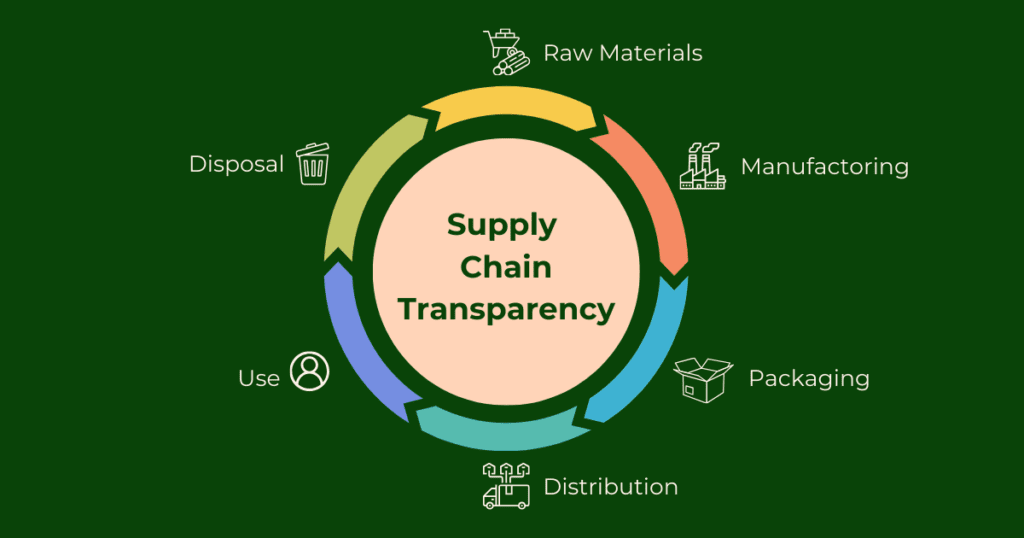
Ever wonder where your fizzy water actually comes from? Not the bubbles, but the whole story behind that sleek SodaStream machine on your counter. It’s a fair question, right? We’re all trying to be a little more conscious about what we buy, and a gadget that claims to save thousands of plastic bottles feels like a win. But how transparent is the company about the real journey from factory to fridge?
Let’s be honest: most of us don’t think about the supply chain for our coffee maker, let alone our carbonation system. But SodaStream has built its entire brand image on being eco-friendly and better for the planet. That makes their transparency a big deal. If you’re patting yourself on the back for saving plastic, you want to know the whole story behind the metal and CO2, don’t you?
The short answer is: SodaStream is actually pretty darn transparent, especially compared to other kitchen gadget giants. It feels like they know their customers are a curious bunch. They don’t just sell a product; they sell a lifestyle of conscious consumption. So, they spill the beans on where things are made, and why.
Must Read
Where in the world are the machines built?
You might be surprised to learn that your SodaStream isn’t made in some mysterious, anonymous factory. The company is proudly based in Israel, and a huge chunk of their manufacturing happens right there. They specifically use facilities in the Galilee region and another in a town called Kfar Saba.
This is interesting because it’s not just about cost-cutting. They talk about creating jobs and building a local economic ecosystem. Think of it like a craft brewery naming the farm where they get their hops—it adds a layer of authenticity and personality to the fizzy story. You get a sense of a real place, not just a global assembly line.
They also have a factory in China for some components, and they’re pretty upfront about it. It’s not a secret. The key here is that they don’t hide it; they just talk about it as a normal part of a globalized world. And when you compare that to, say, a smartphone maker that only lists “assembled in” somewhere vague, it feels refreshingly honest.
The CO2 swap: a closed loop that’s actually cool
Here’s where the transparency gets fascinating. The whole system runs on those little CO2 canisters. Have you ever wondered how the exchange program works, and if it’s actually green? SodaStream has a system called “Rethink the Soda,” and it’s a genuinely beautiful closed loop.
 SodaStream Spirit One Touch Sprudelwasserbereiter – Benutzerhandbuch
You buy a full canister, use it up, then swap it for a full one at a store or via mail. What happens to your old one? Instead of it ending up in a landfill or needing to be melted down from scratch, it gets refilled. Every single canister is collected, cleaned, inspected, and refilled with fresh, food-grade CO2. It’s a perfect little circular economy ballet.
This might sound like a small thing, but it’s huge. It’s like comparing a single-use water bottle to a stainless steel growler. The transparency here is simple: they tell you exactly how the exchange works, and they back it up with data. They want you to know that swapping is better and more efficient than recycling plastic.
What about the plastic bottles they claim to save?
This is the heart of their marketing, and they’re surprisingly honest about the numbers. They’ve published studies and reports showing that a single SodaStream bottle can replace thousands of single-use plastic bottles over its lifetime. They don’t just make the claim; they explain the math.
But here’s a fun wrinkle: they also admit that their own plastic bottles aren't magic. They are made from Tritan plastic, which is durable and BPA-free. They even have a suggested lifespan for the bottle (usually 3-4 years, or check the expiration date on it). It’s not a permanent object, but it’s a long-term one.
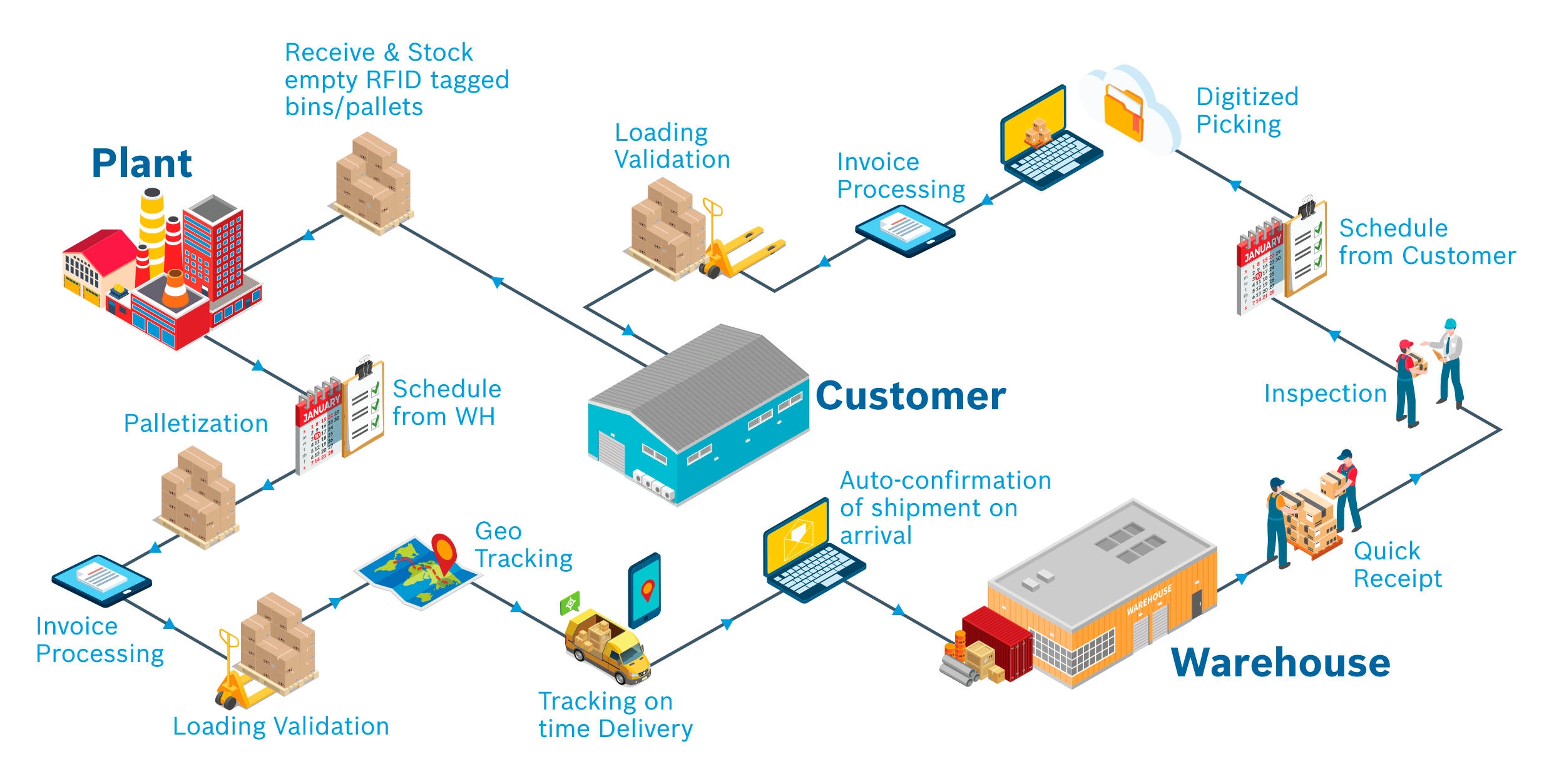 Understanding transparency and traceability in the supply chain
This admission is actually a sign of maturity. A less transparent company would just say “it lasts forever.” By telling you to replace it, they are being honest about the reality of plastic wear and tear. It’s like saying, “Hey, we’re way better than the alternative, but we’re not perfect—and here’s why.” That’s trust-building.
The not-so-great parts: nobody is perfect
No brand is a saint, and SodaStream has had its fair share of bumps. In the past, there were controversies about labor practices in their West Bank factory. They have since moved that operation and have been very public about their new standards. It’s a reminder that transparency isn’t always about glowing reports.
The real test of transparency is how a company handles its mistakes. By addressing the issue head-on and changing their operations, they showed a willingness to be open, even when it’s uncomfortable. It’s like a friend who admits they messed up instead of pretending everything is fine.
So, is SodaStream a total open book? Pretty close. They share where their factories are, how the CO2 system works, and the lifecycle of their bottles. They even let you peek at the carbon footprint of their machines on their website. For a company that sells a fizzy drink maker, that’s a lot of information.
It’s a refreshing level of honesty. Next time you press that button and hear the hiss, you can feel pretty good that you know the story. You’re not just making bubbles; you’re participating in a system that’s trying to be a little more visible than the rest. And that, my friend, is pretty cool.
