How To Warm Up A Room Without A Heater

Let's be honest — when the cold creeps into your apartment and your heating bill skyrockets, you start looking for ways to warm up without cranking the thermostat. Warming a r...

Let's be honest — when the cold creeps into your apartment and your heating bill skyrockets, you start looking for ways to warm up without cranking the thermostat. Warming a room without a heater has become surprisingly popular lately, and it's easy to see why. People want to save money, reduce their energy consumption, and still feel cozy during those chilly evenings. Whether you're a student pinching pennies, a family trying to cut utilities, or someone who just lives in a drafty old building, this approach genuinely makes life more comfortable while keeping budgets intact. It's one of those small changes that adds up to big benefits for everyone involved.
So why does it matter so much? For starters, energy costs continue to rise year after year, and not everyone can afford to blast the heat. Families with kids often lose sleep wondering how they'll balance warmth with affordability. Communities as a whole benefit too — when households use less energy, the overall demand on power plants drops, which means lower emissions and a healthier environment. On a personal level, most of these methods are simple, need almost no equipment, and feel surprisingly effective. You don't need to be an expert; you just need a little creativity and the willingness to try something different.
Think about real-life examples to see how this plays out. A college student living in a tiny dorm room wraps a hot water bottle in a towel and places it at the foot of the bed — instant warmth without paying a cent more. A family in a cramped apartment pulls the curtains tight at sunset to keep the drifting cold air out and adds a second blanket on the sofa so everyone stays snug while watching a movie together. Even a grandmother knits extra scarves and shawls for the household, knowing that layering up indoors is often more satisfying than fighting with an unreliable radiator. These are everyday scenarios that prove you don't need fancy gadgets to feel warm.
Must Read
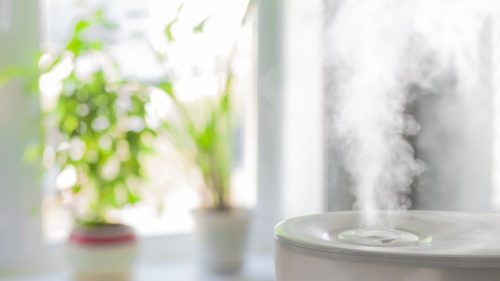
Ready to try it yourself? Here are some practical suggestions you can start using right away. Close your windows and seal any gaps with weather stripping or even thick towels — drafts are the biggest enemy of a warm room. Hang heavy curtains or blankets over windows; they act as excellent insulators. Cook a big meal — the oven and stove naturally heat your kitchen and dining area. Place a bowl of hot water near your desk and let the steam fill the space. Wear layers, grab thick socks, and wrap yourself in a warm throw. Gather everyone in one small room rather than spreading across a big house; body heat alone raises the temperature noticeably. And don't overlook the simple power of candles — a few placed safely around a room can add a gentle, comforting warmth along with a nice ambiance that makes everything feel cozier.
 How to Warm up a Room: 13 Steps (with Pictures) - wikiHow
Another angle worth exploring is understanding where heat goes. Most of the warmth in your home escapes through the ceiling and walls, through open doors leading to unused rooms, and through single-pane windows. Blocking these escape routes is half the battle. Put draft stoppers at the base of doors, roll up rugs in cold hallways, and keep unused room doors shut. You might also consider putting a rug on a bare floor — bare tile and wood are excellent at sucking heat away from your feet, making the whole room feel colder than it actually is. A thick rug changes that instantly. It sounds simple, and honestly, it is — but these are the details that make the difference between shivering and actually being comfortable.
Finally, it's worth pointing out that this isn't just a temporary fix for a rough winter. Warming a room without a heater is a mindset shift toward being smarter about how we use energy. It teaches families to be resourceful, helps communities lower their collective footprint, and gives individuals a sense of control over something as basic as their own comfort. So next time the temperature drops and you reach for the switch, pause for a second and consider whether a hot water bottle, a drawn curtain, or a shared bowl of soup might do the job just as well — maybe even better. Warmth, it turns out, has a lot less to do with machinery and a lot more to do with how we choose to live.