How To Unclog Dishwasher Drain Hose

Welcome to the surprisingly satisfying world of kitchen appliance rescue! If your dishwasher has started leaving a sad puddle of murky water at the bottom after a cycle, or if...

Welcome to the surprisingly satisfying world of kitchen appliance rescue! If your dishwasher has started leaving a sad puddle of murky water at the bottom after a cycle, or if it’s making gurgling sounds like a grumpy monster, you’re likely dealing with a clogged drain hose. Don’t worry—this isn’t a plumbing disaster requiring a costly call to a pro. It’s actually a fun, hands-on challenge that saves you money, restores your machine’s performance, and gives you a little “I fixed it!” thrill. The advantage? A sparkling clean dishwasher that runs faster and quieter, plus the satisfaction of mastering a household hack. Let’s turn that soggy mess into a victory lap.
Think of your dishwasher’s drain hose as the secret escape tunnel for dirty water. Over time, this tunnel gets blocked by a rogue’s gallery of debris: grease from last night’s lasagna, food particles like rice or spinach that evaded the filter, and sometimes even a stray popcorn kernel (because someone snuck snacks into the rinse cycle). One creative example: a friend once found a whole grape lodged in her hose—it had survived two wash cycles, looking like a sad, wrinkled raisin. The best part? You don’t need magic powers; just a few tools and a bit of elbow grease. Imagine the hose as a clogged artery in your kitchen’s circulatory system; clearing it restores the flow of happiness (and clean dishes).
Here’s where the creative problem-solving kicks in. You don’t have to be a plumber—just a curious detective. Start by visualizing the hose’s path: it usually runs from the bottom of your dishwasher, under the sink, and connects to your garbage disposal or drainpipe. A clever trick is to listen for the clog. Turn on the dishwasher’s drain cycle—if water gurgles or backs up, the blockage is likely near the machine. If it sounds like a watery sigh, it’s farther along. Another fun idea: use a wet/dry vacuum to create reverse suction. Attach it to the hose’s open end (after disconnecting it) and let it roar—it might suck out a wad of grease like a magician pulling a scarf from a hat. My nephew once did this and a tiny toy car flew out! (Kids hide things in the weirdest places.)
Must Read
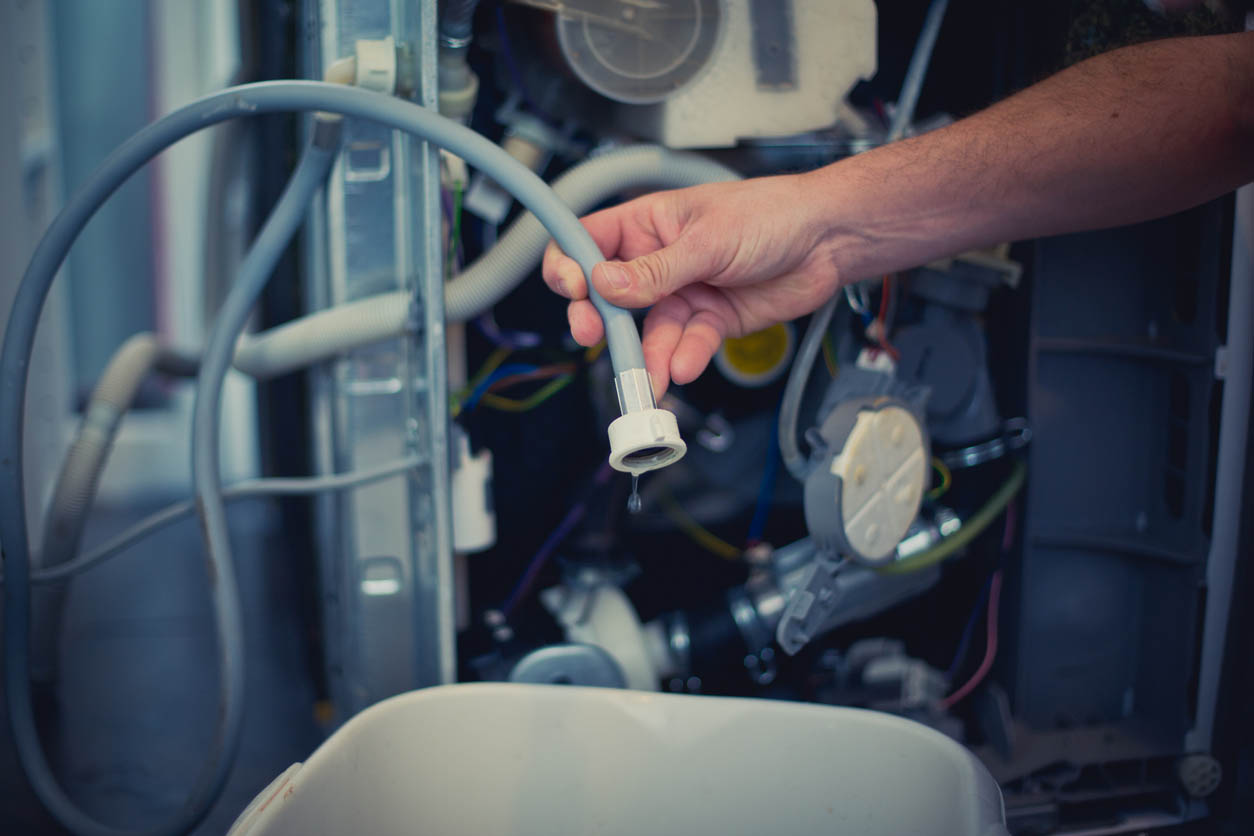
Now, let’s get practical. Before you dive in, unplug the dishwasher and turn off the water supply—safety first, but keep the mood upbeat. You’ll need a bucket, an old towel, a screwdriver (to remove the hose clamps), and maybe a long, flexible brush (like a bottle brush or a drain snake). Disconnect the hose from both ends: one at the dishwasher pump, the other at the sink drain. Protip: slide a bucket under the connections because a surprise flood of gunk is nobody’s idea of a good time. Once the hose is free, hold it over the bucket and flush it with hot water from a faucet—this loosens grease like a hot shower after a muddy hike. If water doesn’t flow freely, use the brush to scrape the interior; you’ll feel the clog give way with a satisfying thump. Rinse until the water runs crystal clear.
For the more adventurous, try a vinegar and baking soda volcano (minus the paper mache). Pour ½ cup of baking soda into the hose, followed by 1 cup of white vinegar. Seal the ends with your thumbs (or caps) and let it fizz for 15 minutes. This chemical reaction eats away grease and neutralizes odors, leaving your hose smelling like a fresh salad. Then flush with hot water. Warning: do not use harsh drain chemicals—they can damage rubber hoses and void your warranty. Another creative tip: if the clog is stubborn, use a garden hose with a spray nozzle to blast water through from one end. Wear goggles—you might get a cheeky splash, but it’s worth it for the blast of victory when the water shoots clean out the other side.
 How to Unclog a Dishwasher: 14 Steps (with Pictures) - wikiHow
Before reattaching, inspect the hose for cracks or kinks; a flattened or twisted section acts like a permanent clog. If it’s damaged, replace it with a new one (a cheap fix under $15). When reconnecting, make sure the hose forms a high loop under the sink—this prevents dirty water from backflowing into the machine. Imagine it as a camel’s hump: the loop keeps waste water from sneaking back in. Tighten the clamps with a screwdriver, but don’t overtighten—you want a snug, not crush. Test it by running a quick rinse cycle; watch the water drain like a pro swirl down the sink. If it’s quiet and dry, you’ve won!
Finally, embrace the preventive ritual to keep your hose happy. Once a month, run an empty cycle with a cup of white vinegar in the top rack—it acts like a detox spa for all the inner parts. Scrape plates thoroughly before loading (yes, even those teeny bits of broccoli). And never, ever put oily pans in without a pre-wipe. If you do this, your hose will stay unclogged for years, and you’ll become the dishwasher whisperer of your household. Next time a puddle appears, you’ll grin, grab your bucket, and say, “I’ve got this.” That’s the real advantage: confidence in your own two hands. Happy unclogging—you’ve earned a clean rinse and a high five!