How To Transition Cat To New Litter Box

Changing your cat's litter box is a lot like moving into a new house. Imagine someone suddenly swapped your bathroom and you had to figure out where everything is. Stuff gets...
Changing your cat's litter box is a lot like moving into a new house. Imagine someone suddenly swapped your bathroom and you had to figure out where everything is. Stuff gets weird, right?
But with some patience and a few smart tricks, it doesn't have to be a disaster. Cats can be picky, sure, but they're also creatures of habit. And once they get it, they're all about the flow.
So whether you're upgrading to a bigger box, trying a new type of litter, or moving apartments entirely, let's talk about how to make this transition as smooth as possible. No stress, no drama — just some solid tips.
Why Bother Changing the Litter Box at All?
Maybe your current box is scratched up, too small, or just not doing it for you anymore. Cats grow, preferences change, and sometimes the old setup simply doesn't cut it. Out with the old, in with the new!
Must Read
Other times it's practical — you're moving to a place with a different layout or you've adopted a second cat. Whatever the reason, the trick is handling it like a chill transition instead of a hard switch.
Cats notice everything. A sudden change can send them into full mystery mode, and mysteriously, that means accidents on your rug. So let's keep things gradual.
Step One: Introduce the New Box Slowly
Here's the golden rule — never rip out the old box and slam down a new one. That's like kicking someone out of their bed while they're napping. How rude!
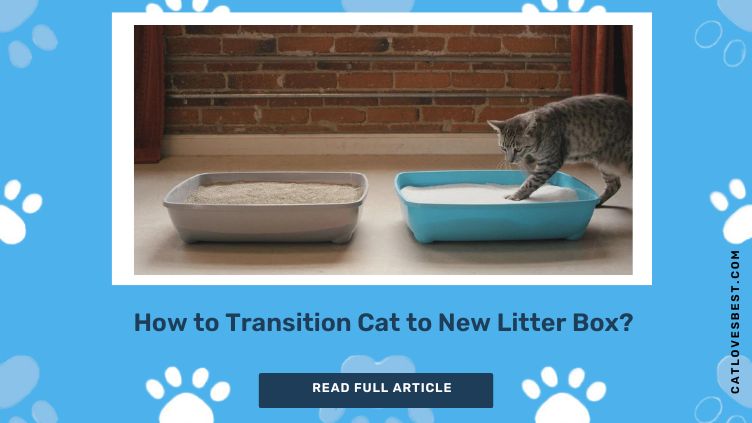
Start by placing the new litter box right next to the old one. Let your cat sniff it, walk around it, and do whatever curious cat things they do. No pressure yet.
Think of it like setting up a bedroom for a guest — just give them room to explore at their own pace. They'll decide when they're ready to try it out.
 Mastering the Transition: Encouraging Your Cat to Embrace a New Litter Box
Step Two: Keep the Same Litter If You Can
Changing the box and the litter at the same time? That's like giving your cat two mysteries to solve at once. One variable at a time, please!
If the goal is just a new box, keep using the same litter your cat already loves. Familiar smells create comfort, and comfort leads to business done in the right place.
But if you do want to switch litter types — say, from clay to pine — do it gradually. Mix a little of the new litter into the old batch over a week or so. Cats pick up on scent changes fast.
Step Three: Give It a Few Days to Settle In
This isn't a race. Cats don't read timers — they read vibes. Give the new box a solid three to seven days before even thinking about removing the old one.
Watch for signs they're using it. Fresh paw prints? Job done. If they're ignoring it entirely, something's off, and it might be worth double-checking placement or litter type.
 Encourage Your Cat to Use a New Litter Box
Patient owners get rewarded here. Push too fast, and you're basically asking a cat to jump into a pool without checking the temperature first.
Step Four: Move the New Box Away Gradually
Once your cat is reliably using the new litter box, you can start inching it to its final destination. Think of it like teaching someone to drive — slow turns, no sudden moves.
Move it just a foot or two every couple of days. Eventually, you'll end up wherever you wanted it — across the bathroom, in another room, or wherever makes sense.
Then — and only then — remove the old box. Clean the old spot to eliminate lingering scent cues. Your cat might miss it for a day, but they'll adapt.
Common Pitfalls to Dodge
Placement matters big time. Avoid tucking the box next to loud appliances or in high-traffic zones. Would you want company while doing your business? Didn't think so.
 Cat Litter Box for Pine Pellets: A Complete Setup Guide
Cleanliness is king too — scoop daily. A fresh box says "you're welcome here," while a messy one screams "find a carpet instead." That's just cat logic.
Oh, and don't punish accidents. Seriously. Punishing a cat mid-poop is like yelling at someone mid-sneeze — confusing, unfair, and guaranteed to backfire.
Why This Whole Process Is Actually Pretty Cool
Here's what's fun — you're essentially learning to communicate without words. Every sniff, hesitation, and head tilt tells you something. It's like decoding a tiny species-specific language.
Successful litter box transitions build trust too. Your cat learns that changes in their world don't have to be scary. They just take time, care, and a little creativity.
Few things are more satisfying than watching your cat strut into a new box like it's always been there. Storybook ending. Clean rug. Happy humans and — definitely — happy cat.
So go at their pace, keep it chill, and treat the whole thing like a gentle handshake instead of a push through the door. You've got this.
