How To Thaw Tuna Steak Quickly

Welcome, fellow seafood lover, to the five-minute miracle of thawing a tuna steak! You’re staring at a beautiful, frozen chunk of steak—maybe it’s a rare ahi that you grabbed...
Welcome, fellow seafood lover, to the five-minute miracle of thawing a tuna steak! You’re staring at a beautiful, frozen chunk of steak—maybe it’s a rare ahi that you grabbed on sale, or a yellowfin you caught last summer but forgot to defrost. Panic not. This guide isn’t about waiting around all day; it’s about getting cooking fast, because a perfectly seared tuna steak—crispy outside, sushi-grade rare inside—is one of life’s greatest, quickest pleasures. Why is this fun? Because thawing quickly means you win dinner in fifteen minutes. No soggy microwave mess, no half-frozen centers. You’ll master a technique that preserves the tuna’s delicate texture and bright flavor, turning an ordinary weeknight into a mini culinary celebration. Ready to be a speed-thawing hero?
Let’s cut to the chase: the absolute fastest, safest, and most reliable method is the cold water bath. Forget hot water (that can start cooking the thin edges), and certainly forget the microwave (that turns your steak into a rubbery, gray sponge). Here’s the magic: take your frozen tuna steak—still in its vacuum-sealed bag—and submerge it completely in a bowl of cold tap water. If the bag is not sealed, slip it into a sturdy ziplock bag, squeezing out every last bubble of air (air is an insulator, and we want speed). Change the water every ten minutes. In about 15 to 20 minutes, a standard 6-ounce steak will feel flexible yet still cold—perfect for a sear. For a practical tip: run the water at a trickle into the bowl; the gentle current helps the heat transfer faster.
But wait—what if you’re in a real hurry, like, “dinner is in twenty minutes” hurry? Here’s a creative hack: use the metal pan flip technique. Take a heavy cast-iron or stainless steel skillet (not nonstick), fill it with cold water, and lay your frozen, bagged tuna steak in the pan. Then, set another metal pan on top of it—like a weighted lid. Metal is a superb conductor of heat. The cold water surrounds the fish, while the metal pan on top conducts the room-temperature air downward. This method can shave off 5 to 8 minutes compared to a bowl alone. Flipping the steak halfway ensures even thawing. It’s a little silly and very effective—your kitchen looks like a science experiment, but your tuna will be ready to sear in under 15 minutes.
Must Read
Now, here’s a crucial rule that separates the pros from the panicked: never thaw tuna at room temperature. Leaving it on the counter for an hour is a bacterial invitation. Even if you’re using a fast method, the moment the skin thaws, bacteria begin to party. That’s why the cold water bath is king—it keeps the tuna’s surface temperature below 40°F (4°C) while the interior thaws. Another pro tip: if you’re planning to sushi-grade your tuna (eating it raw or nearly raw), you must keep it cold. Once thawed, pat it very dry with paper towels—moisture is the enemy of a good sear. Then season with salt and pepper, and your steak is ready in under five minutes from seal to pan.
 Do You Need to Defrost Tuna Steaks? [Safety & Quality Guide
What about that rare occasion when you accidentally thawed too much? Don’t panic—you have options. A fully thawed tuna steak can be refrozen if it was thawed correctly in the fridge (slow thaw), but not if you used the cold water method. However, you can repurpose a thawed steak immediately: slice it into thin strips for a quick poke bowl, or marinate it with soy, ginger, and sesame oil for a 20-minute ceviche (the acid from lime or lemon “cooks” it). This is a creative lifesaver if you’re not in the mood for a seared steak. The key is to act fast—within an hour of thawing—to keep that fresh, oceanic flavor intact.
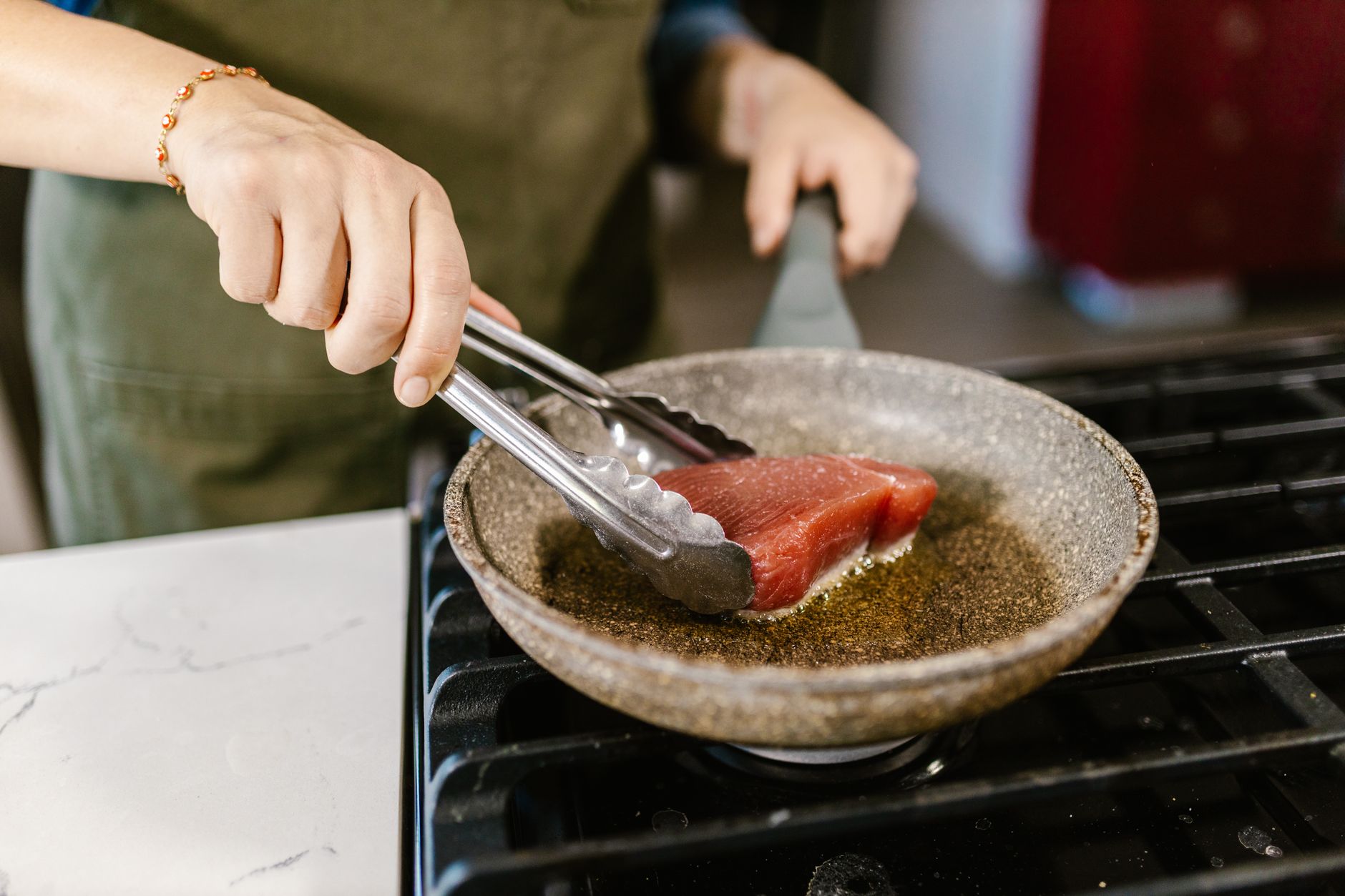
Finally, let’s talk about the ultimate reward: the perfect sear. Once your tuna is thawed and patted dry, heat a nonstick or cast-iron skillet over high heat until it’s smoking. Add a little oil, then lay the steak down. Don’t move it for 45 seconds. Flip; another 45 seconds for rare. For medium-rare, add 30 seconds per side. The result? A golden-brown crust that crackles, and a buttery, melt-in-your-mouth center. Serve it over a salad, with rice, or simply on a plate with soy sauce and wasabi. You’ve done it—from frozen block to restaurant-quality dinner in the time it takes to watch one episode of your favorite show. Thawing quickly isn’t just smart; it’s empowering. Now go—free that tuna!
