How To Tell If Watermelon Is Bad

Let’s be real—few things beat the pure joy of cracking open a perfect watermelon on a hot summer day. It’s the undisputed king of picnics, backyard barbecues, and lazy afterno...
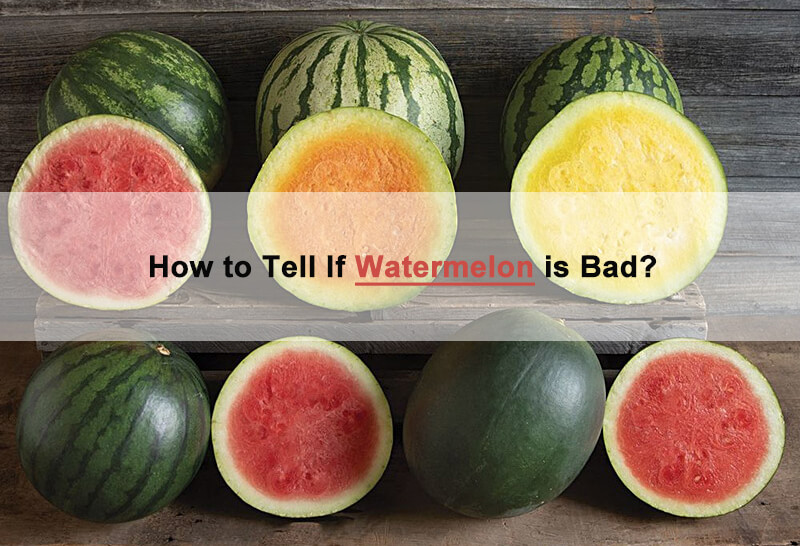
Let’s be real—few things beat the pure joy of cracking open a perfect watermelon on a hot summer day. It’s the undisputed king of picnics, backyard barbecues, and lazy afternoons by the pool. But here’s the thing: a bad watermelon can ruin your whole vibe—not to mention your stomach. That’s why knowing how to spot a dud is a legit life skill. For families, it saves money and avoids food waste. For communities, it means safer potlucks and happier gatherings. Imagine showing up to a cookout with a mushy, sour melon—nobody wants to be that person.
Why does this matter so much? First, a spoiled watermelon isn’t just gross; it can cause food poisoning. Second, you’re throwing away cash if you buy a bad one. And third, for the environment, less waste is always better. Think about your weekly grocery run—grabbing a watermelon that looks perfect but tastes like disappointment is a total bummer. For a family reunion, a single bad melon can silence the dessert table. Real-life example: My cousin once served a “watermelon salad” that smelled like vinegar. The whole party switched to chips.
So, how do you tell if a watermelon is bad? First, give it the “look” test. A fresh watermelon has a firm, uniform shape and a dull, matte rind. If it’s shiny, glossy, or has soft spots, it’s likely overripe. Dark, sunken bruises are a dead giveaway. Next, the “thump” trick—tap it with your palm. A ripe one sounds hollow, like a drum. A bad one makes a dull thud or a high-pitched ping. Trust your ear; it’s a shortcut used by farmers for centuries.
Must Read
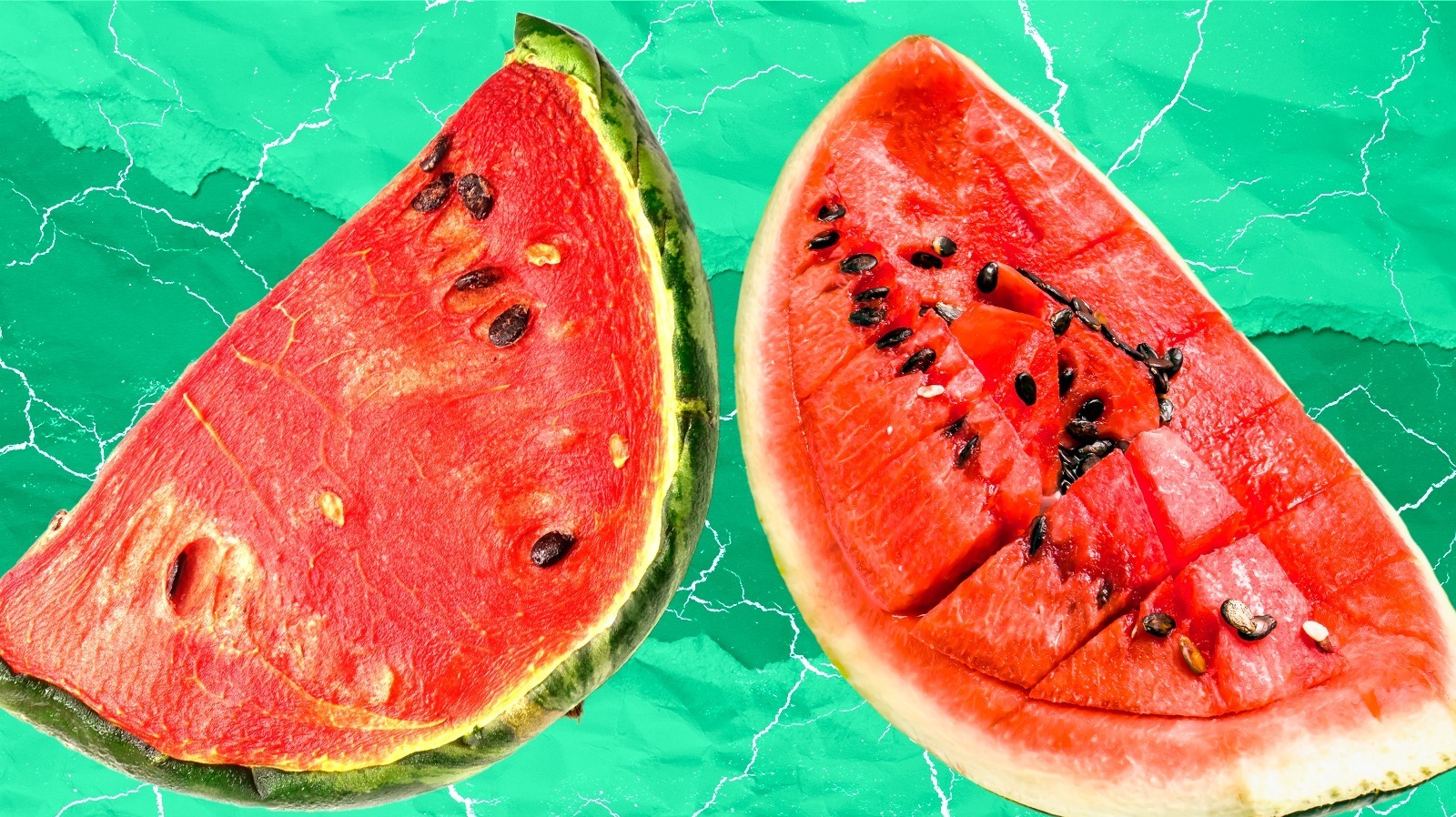
Don’t stop there. Check the “field spot”—the pale patch where it rested on the ground. If it’s creamy yellow, it’s good. If it’s white or greenish, it was picked too early. White = sour. Also, inspect the tail. A dry, brown stem means it’s ripe; a green stem suggests it was harvested before its prime. And if you already cut it open? Look for mushy, stringy, or discolored flesh. A faint ferment smell—like alcohol or vinegar—is game over. Throw it out immediately.
Here’s a practical tip: store it right. If you cut into it and it’s fine, refrigerate leftovers in an airtight container within two hours. But if it’s been sitting out for a while, do a sniff test again. When in doubt, toss it out. For a family, this habit prevents tummy aches. For communities, it keeps potlucks safe. Once, after a beach trip, a friend’s watermelon had been in the sun for four hours—it smelled like sour yogurt. We learned the hard way: heat kills the sweetness.
 Does Watermelon Mold
Applying this is easy. Next time you’re at the store, visually scan the whole bin. Pick one that feels heavy for its size—heavy means juicy. Avoid any with cuts, slits, or mold. At home, if you forget the sight test, just slice it open and trust your nose. Bad watermelons smell like bad pickles or old gym socks. For a family dinner, a fresh watermelon can be sliced into wedges for kids or cubed into a salad for adults. It’s a universal crowd-pleaser—when it’s good.
On a positive note, mastering this skill makes you a watermelon hero. You’ll save money, avoid waste, and earn serious street cred at every summer gathering. Plus, you’ll enjoy that sweet, hydrating crunch without worry. So next time you’re at a market or your fridge, give that melon a glance and a pat. You got this. A perfect watermelon isn’t just a fruit—it’s a moment of summer joy, shared with the people you love. Keep it fresh, and keep the good times rolling.

