How To Tell If Cherries Are Bad

There’s something wonderfully simple about eating cherries—especially in summer, when a bowl of them feels like nature’s candy. Whether you’ve just picked them at a farm stand...

There’s something wonderfully simple about eating cherries—especially in summer, when a bowl of them feels like nature’s candy. Whether you’ve just picked them at a farm stand, grabbed a bag from the grocery store, or discovered a forgotten stash in your fridge, knowing how to tell if they’ve gone bad is a genuinely useful skill. It saves you from a mouthful of mush, prevents food waste, and lets you enjoy that sweet-tart burst without hesitation. For home cooks, parents packing lunch boxes, or anyone who loves a spontaneous snack, this little bit of know-how turns a simple fruit into a reliable joy. Think of it as a friendly detective game: a quick look, a gentle feel, and a sniff are all it takes to separate the gems from the duds.
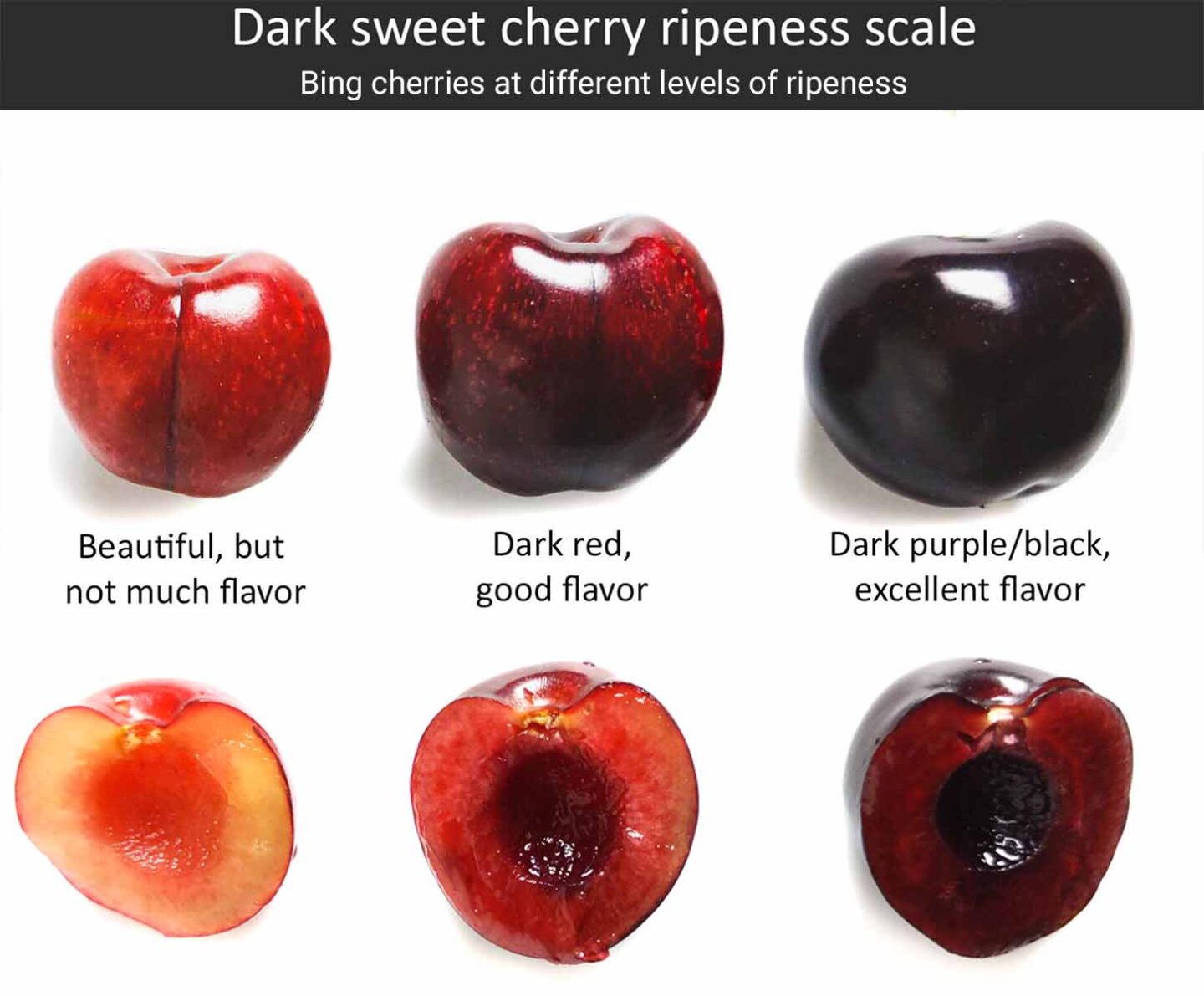
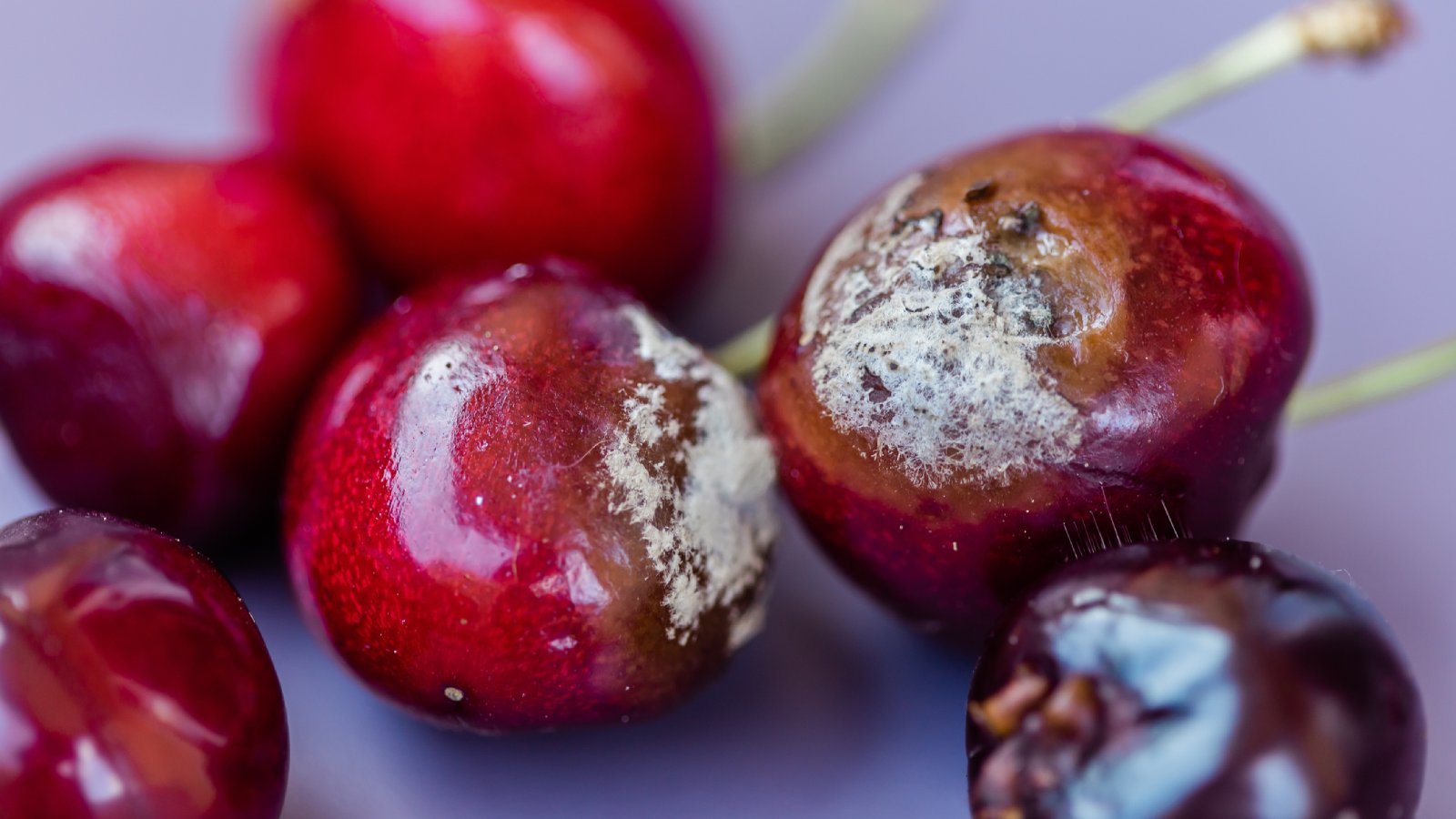
Start with your eyes—they’re your first and most trusty tool. Fresh cherries should be plump, firm, and glossy, with a color that’s deep and consistent for their variety (think ruby red, mahogany, or golden). Any sign of wrinkling or shriveling means they’ve started to lose moisture and are past their prime. Look closely at the stem, too: if it’s green and still attached, that’s a great sign; if it’s brown, dry, or missing, the cherry may have been sitting around too long. Be wary of bruises, soft spots, or dark, sunken areas—these are early warnings that decay is setting in. A single moldy cherry can ruin a whole bowl, so if you spot even a tiny patch of fuzzy gray or white, discard it immediately and check the rest carefully.
Next, use your sense of touch. A good cherry feels firm but gives slightly when pressed gently—like a ripe berry, not a rock. If it feels mushy, sticky, or leaks juice at the slightest pressure, it’s already gone bad. This is especially common with cherries that have been stored too long or left at room temperature. Don’t be shy about picking them up: if the skin feels tacky or slimy, that’s a red flag. On the flip side, a cherry that’s too hard might just be unripe—not unsafe, but certainly not enjoyable. The sweet spot is a cherry that feels full and heavy for its size, which indicates it’s still juicy inside.
Must Read
Now, bring in your nose. Smell is a powerful detector that many people overlook. Fresh cherries have a clean, faintly floral, or sweet aroma—nothing strong or off-putting. If you catch a whiff of fermentation (like wine or vinegar), that cherry is starting to rot. Similarly, any sour, yeasty, or musty smell is a sure sign that bacteria or fungi have moved in. Trust your instincts here: if the scent makes you pause, don’t taste-test it. A bad cherry can taste bitter or fizzy on your tongue, but why risk it? Your nose already gave you the answer.
 Moldy Cherry How To Use The Cherry Powdery Mildew Risk Index Model
Sometimes, the signs are hidden until you cut into the fruit. If you suspect a cherry might be iffy, slice it open and check the flesh. Inside, it should be uniform in color—pale greenish-yellow for sweet varieties, or deep red for sour types. Brown, darkened, or translucent flesh near the pit indicates internal breakdown, which makes the cherry mushy and unpleasant. Also, look for any worms or tiny maggots—while rare in store-bought fruit, they can appear in homegrown ones. A small hole in the skin, often near the stem, is a giveaway. If you find any, discard the entire fruit, not just the affected area.
Finally, remember that storage is your best defense. Cherries don’t ripen after picking, so only buy what you’ll eat within a few days. Keep them unwashed in a breathable container (like a paper bag or perforated plastic) in the fridge—washing them adds moisture that speeds up mold. If you see a few bad cherries, remove them immediately to protect the others. For longer storage, you can freeze them (pitted and spread on a tray first) for smoothies or baking. These simple steps turn a fleeting summer treat into a longer-lasting pleasure, ensuring every cherry you bite into is perfectly juicy, sweet, and safe.